
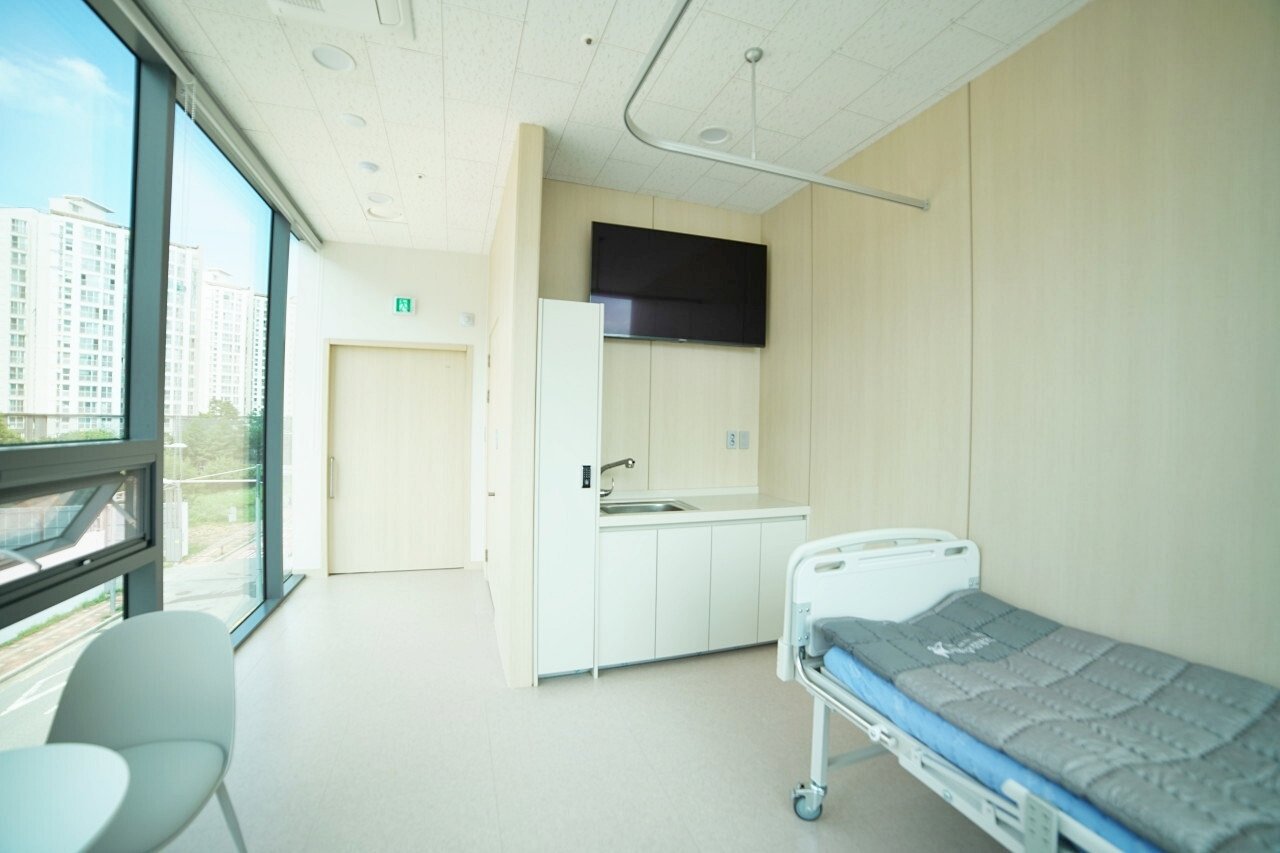
How to Assess Ankle Surgery Patient Reviews Seoul
Online feedback can help patients understand what to ask before ankle surgery, but a review reflects one person’s experience, not a prediction of another patient’s result. Look for comments that explain the condition treated, the care process, and the recovery context. Seoul Gunwoo Orthopedic Surgery Clinic is a foot and ankle-focused orthopaedic clinic in Gangdong-gu, Seoul. Its published treatment focus includes ankle ligament surgery, ankle fracture surgery, bunion correction, Achilles tendon repair, and care for ankle cartilage and arthritis. Use reviews to guide a consultation, not to replace an individual medical assessment.
Read reviews for useful detail
A brief rating gives little context. More useful feedback explains what brought the patient to care, what questions were discussed, and how the treatment process was communicated. For ankle surgery, details about the condition and procedure matter because ligament problems, fractures, cartilage concerns, and tendon injuries are not interchangeable. Give greater weight to specific descriptions than to broad praise or criticism.
When reading comments, distinguish firsthand details from assumptions about what every patient should expect. A reviewer may describe their own appointment, procedure, or recovery, but that account does not establish how another case will be managed. Check whether the review identifies the ankle problem and provides a clear timeline or context. If it does not, treat it as a limited impression rather than evidence about a particular operation. It is also useful to compare recurring themes across multiple accounts, while remembering that online feedback may not represent all patients. Bring relevant questions to the medical staff so the discussion can address your diagnosis and circumstances.
Reviews are most useful when they describe the care process in a specific, understandable way. They can help you prepare questions, but only an individual assessment can address your own ankle condition and treatment options.
Match feedback to the treatment you are considering
Search for information that relates to the problem you have been told you may have. Someone considering ankle ligament surgery may need different information from someone discussing fracture care or Achilles tendon repair. Seoul Gunwoo Orthopedic Surgery Clinic also lists bunion correction and care for ankle cartilage and arthritis among its foot and ankle-focused services. Compare like with like: the diagnosis and procedure should be relevant to your question.
Even when reviews mention the same procedure, the underlying injury and treatment plan can differ. A patient’s description may not clarify the severity of the condition, other health factors, or why a particular option was chosen. Rather than assuming that one person’s experience applies to you, note what remains unclear: how the diagnosis was reached, what alternatives were discussed, and what follow-up involved. These are reasonable topics to raise during a consultation. The aim is not to find a review that promises a particular outcome, but to understand the kinds of questions that help you make an informed decision with the medical staff.
Understand what online feedback cannot establish
Reviews cannot confirm whether a procedure is suitable for your condition, and a rating alone cannot establish the quality of an individual treatment decision. A person’s account may also leave out medical details that shaped their care. Treat online comments as one source of background, not as clinical advice or a guarantee of results.
Pay attention to the difference between observable service details and conclusions about medical outcomes. Comments about explanations or appointment communication describe a patient’s experience; claims about what will happen in your case need to be discussed with the attending doctor. If a review raises a concern, turn it into a direct question rather than assuming the same situation applies to everyone.
Keep a short list of specific questions as you read. For example, ask how the proposed treatment relates to your diagnosis, what alternatives are relevant, and what follow-up discussions may involve. A clear consultation can put online accounts into perspective and help you focus on information that is personal to your case.
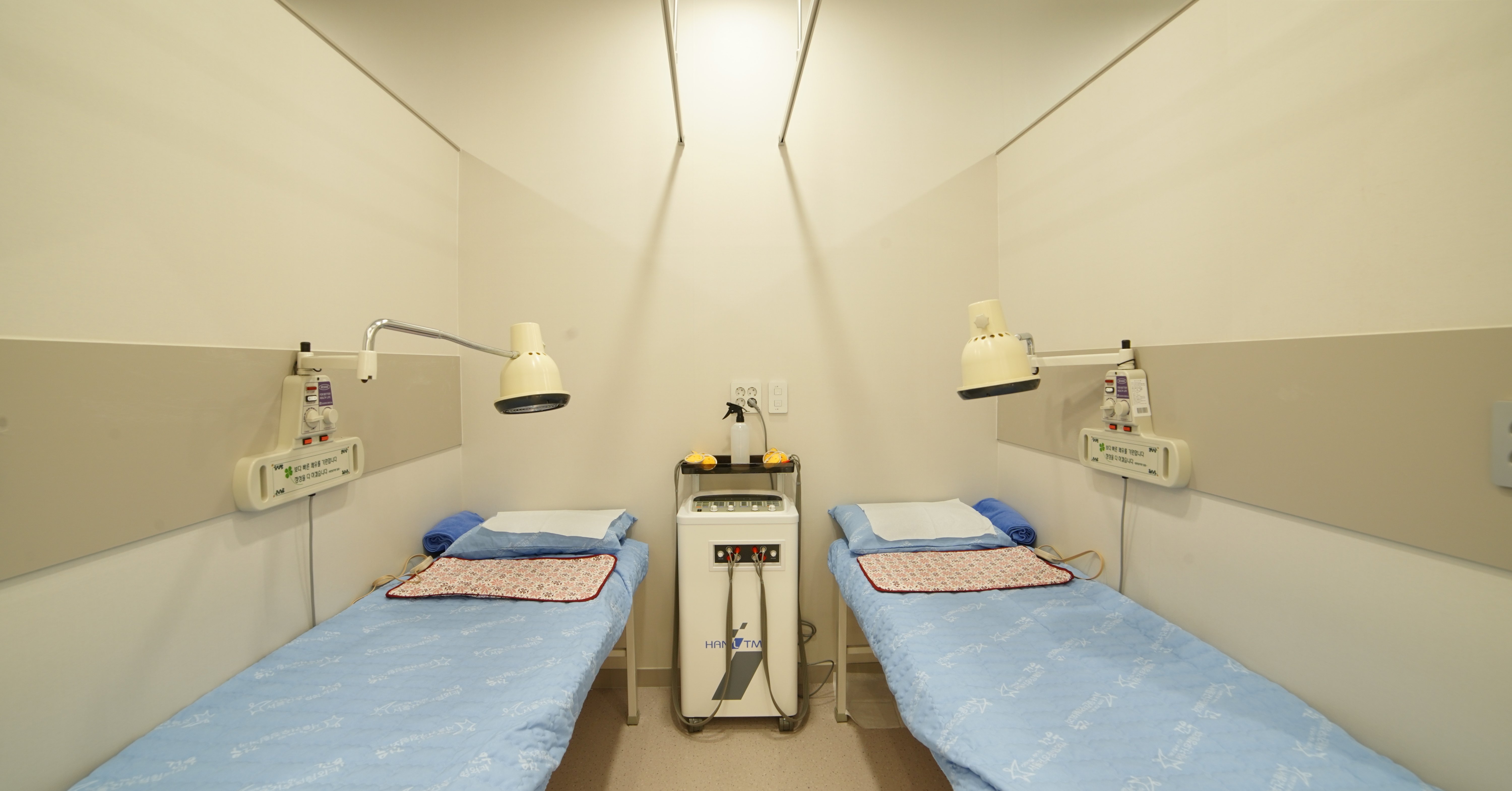
What Ankle Surgery Patient Reviews Seoul Can Tell You About Care
Reviews may offer insight into how patients experienced communication, consultation, and follow-up, while the clinic’s published services clarify its treatment focus. Seoul Gunwoo Orthopedic Surgery Clinic is an orthopaedic clinic focused on foot and ankle care in Gangdong-gu. Its stated scope includes ankle ligament and fracture surgery, bunion correction, Achilles tendon repair, and care related to ankle cartilage and arthritis. Use these service details to frame your questions, then ask how they relate to your own diagnosis.
Consider the clinic’s stated treatment focus
The clinic’s foot and ankle focus is relevant for people researching problems in that area. Its published treatment areas include ankle ligament surgery, ankle fracture surgery, bunion correction, Achilles tendon repair, and ankle cartilage and arthritis care. These are distinct concerns, so a review about one should not automatically be treated as guidance for another.
Before relying on a patient account, identify the treatment it describes and compare it with the reason you are seeking care. If the review does not name the condition or procedure, it may still offer a general impression of communication, but it cannot provide much procedure-specific context. During a consultation, explain your symptoms and any prior assessment, and ask what diagnosis is being considered. You can then ask how the clinic’s treatment focus applies to your case and what options are appropriate to discuss. This approach keeps the decision grounded in your own clinical needs rather than in assumptions drawn from someone else’s experience.
Knowing a clinic’s stated treatment areas helps you ask more focused questions. The right comparison is between your condition and the care being discussed—not simply between your situation and a reviewer’s overall rating.
Ask about the decision-making process
For a surgical consultation, patients can ask how the diagnosis informs the proposed plan and what alternatives should be considered. Reviews may prompt questions about whether explanations felt clear, but they cannot tell you which option is suitable for your ankle. Ask the medical staff to explain the reasoning in language you understand.
Useful questions include what the proposed procedure is intended to address, what information supports the diagnosis, and what factors could affect the plan. You may also ask what follow-up care involves and what changes to daily activity should be discussed for your situation. These questions are relevant whether you are exploring ligament surgery, fracture surgery, tendon repair, bunion correction, or care for ankle cartilage or arthritis. Avoid treating a reviewer’s treatment plan as a template. Your medical history, examination findings, and individual needs should shape the conversation. If anything remains unclear, ask for clarification before making a decision.
Use staff profiles as context, not a substitute for discussion
Seoul Gunwoo Orthopedic Surgery Clinic lists Dr. Choi Hong Joon, whose background includes foot and ankle medicine, clinical practice, and research. The clinic also lists Dr. Min Kyong Dae, with orthopaedic, arthroscopy, and sports-medicine training. These profile details can help patients prepare questions about their care.
A profile does not replace a direct discussion about who will assess your case or how a proposed procedure relates to your needs. If a particular experience or treatment focus is important to you, ask about it during the consultation. You can also ask who will be involved in your care and how questions should be raised before and after treatment. This is more useful than assuming that a general review describes the staff member or process involved in every patient’s care. Keep the discussion focused on your diagnosis, the proposed plan, and the information you need to make an informed decision.
When reviewing staff information, focus on relevant details rather than drawing conclusions beyond what a profile states. Dr. Choi Hong Joon’s profile describes a background in foot and ankle medicine and research, while Dr. Min Kyong Dae’s profile lists orthopaedic, arthroscopy, and sports-medicine training. Ask directly who will be involved in evaluating and treating your condition.
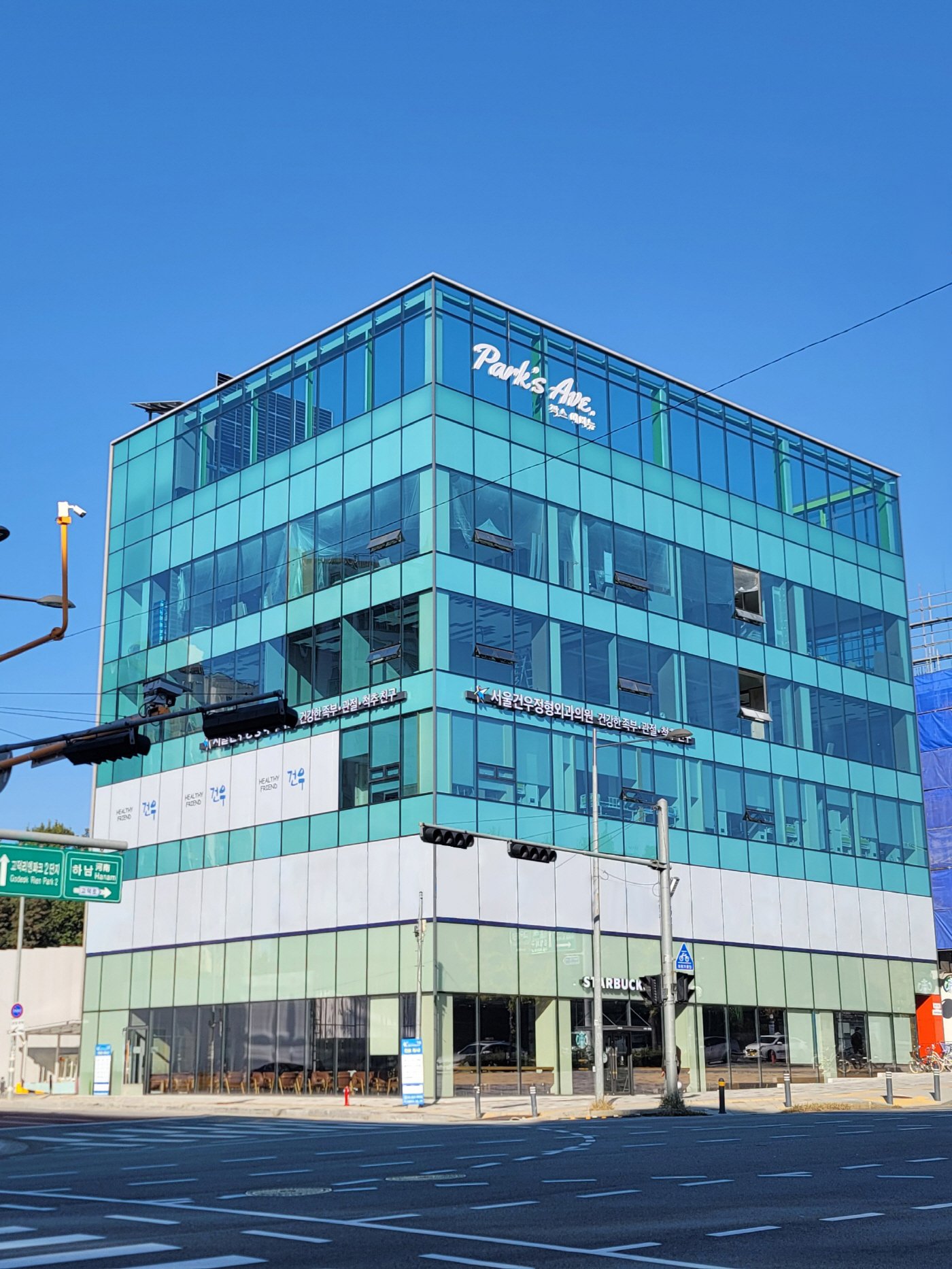
Preparing for Ankle Surgery Patient Reviews Seoul Research
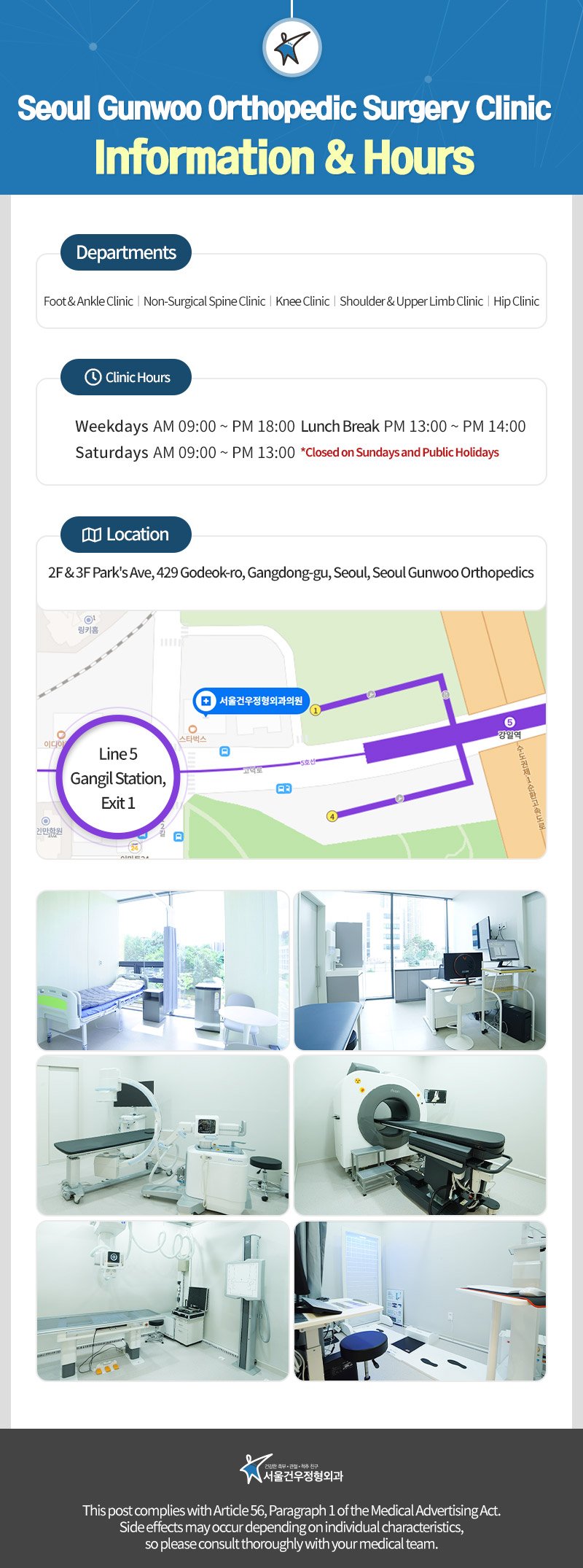
Research becomes more practical when you turn what you read into a concise consultation plan. Before contacting Seoul Gunwoo Orthopedic Surgery Clinic, note your main symptoms, what information you already have about your diagnosis, and the questions that reviews prompted. The clinic is located in Gangdong-gu, Seoul, near Gangil Station Exit 1. Contact the clinic before booking to confirm language support or interpretation; an English website does not confirm that an English-speaking clinician or interpreter will be available.
Organize your questions before a consultation
Start with the concern that brought you to seek care and explain what information you want clarified. If you are considering ankle surgery, ask how the proposed treatment relates to your diagnosis and what alternatives are relevant. Questions about recovery and follow-up should be specific to the procedure being discussed.
It may help to write down questions while reading reviews, then remove those that are based only on another patient’s personal circumstances. Keep the remaining list focused: What is the diagnosis? What treatment options are being considered? What should you understand about the proposed procedure and follow-up? If you have prior test results or relevant medical documents, ask the clinic whether you should bring them. A clear, organized discussion is more useful than trying to cover every detail mentioned in online comments. Take time to ask for an explanation if medical terms or next steps are unclear.
Preparation helps turn general online research into a focused conversation about your own care. Bring the questions that matter to your decision, and ask the medical staff to explain how the proposed plan fits your condition.
Plan for communication and booking
Language arrangements are important when discussing a diagnosis, a procedure, or follow-up. Contact the clinic before booking to ask whether language support or interpretation is available for your visit. Do not assume that an English website means an English-speaking clinician or interpreter will be present.
When you call, explain that you would like to arrange an appointment and ask what communication support can be provided. You can also confirm what information to prepare for the consultation and whether any documents should be brought. If interpretation is needed, make that request before the visit so the clinic can clarify the arrangements. Clear communication matters when discussing treatment choices, possible next steps, and instructions specific to your case. If you are unsure whether you understood a recommendation, ask for it to be restated before making decisions.
Keep recovery expectations individual
Recovery depends on the condition being treated and the procedure under consideration, so another patient’s timeline may not match yours. Reviews can show how one person described their experience, but they cannot establish a standard schedule for everyone. Ask the attending doctor what recovery planning means for your specific case.
For ankle ligament or fracture surgery, Achilles tendon repair, bunion correction, or care for ankle cartilage and arthritis, the medical discussion should address the treatment being considered rather than a generic timeline from an online account. Ask what follow-up will involve and what factors may influence your progress. Changes may take time depending on individual condition. Avoid making personal activity or return-to-routine decisions based solely on a reviewer’s account. Follow the guidance provided for your care and raise new questions with the medical staff as they arise.
When comparing accounts, consider whether the reviewer describes the same procedure and a similar care context. Even then, the experience remains personal and cannot guarantee how your recovery will proceed. A consultation is the place to ask for guidance tailored to your diagnosis and treatment plan.
Frequently asked questions

Frequently Asked Questions
Q.What kind of clinic is Seoul Gunwoo Orthopedic Surgery Clinic?
A.Seoul Gunwoo Orthopedic Surgery Clinic is an orthopaedic clinic in Gangdong-gu, Seoul, with a focus on foot and ankle care. Its listed treatment areas include ankle ligament and fracture surgery, bunion correction, Achilles tendon repair, and ankle cartilage and arthritis care.
Q.Who may consider consulting Seoul Gunwoo Orthopedic Surgery Clinic?
A.People seeking evaluation or care for foot and ankle concerns such as ankle ligament problems, ankle fractures, bunions, Achilles tendon injuries, or ankle cartilage and arthritis may contact the clinic. The appropriate care depends on an individual assessment.
Q.What ankle and foot treatments does Seoul Gunwoo Orthopedic Surgery Clinic list?
A.The clinic lists ankle ligament surgery, ankle fracture surgery, bunion correction, Achilles tendon repair, and care for ankle cartilage and arthritis. Ask the medical staff how any treatment option relates to your diagnosis.
Q.What should I prepare before an appointment?
A.Prepare a concise account of your symptoms and questions, and ask the clinic whether you should bring relevant medical documents. Contact the clinic before booking to confirm language support or interpretation.
Q.Where is Seoul Gunwoo Orthopedic Surgery Clinic, and how can I contact it?
A.The clinic is at 2F-3F, 429, Godeok-ro, Gangdong-gu, Seoul, Republic of Korea, near Gangil Station Exit 1. Call 02-426-9876 to contact the clinic.
Clinic Information
| Clinic | Seoul Gunwoo Orthopedic Surgery Clinic |
|---|---|
| Specialty | Orthopedics |
| Address | 2F-3F, 429, Godeok-ro, Gangdong-gu, Seoul, Republic of Korea |
| Phone | 02-426-9876 |
| Website | https://seoulfoot.sillajewelry.com |
| Specialist | Specialist care |
 Seoul Gunwoo Orthopedic Surgery Clinic