
Choosing an Orthopedic Foot and Ankle Specialist in Seoul
Foot and ankle symptoms can affect walking, exercise, work, and everyday comfort. When choosing orthopedic care, start by identifying the problem and checking whether the clinic addresses that type of concern. Seoul Gunwoo Orthopedic Surgery Clinic’s services include care for bunions, ankle ligaments, Achilles tendons, heel pain, and plantar fasciitis. Its published surgical work also covers ankle cartilage, ankle arthritis, and fractures. Matching the reason for your visit with the clinic’s listed services is a practical first step. A consultation can help clarify what assessment or treatment may be appropriate.
Match the service to your concern
Different symptoms can involve different structures. A change in the shape of the big toe may lead someone to seek bunion care, while pain or a sense of instability around the ankle may call for an assessment of the ankle ligaments. Pain near the back of the heel can involve the Achilles tendon, and pain under the heel may be assessed as heel pain or plantar fasciitis. The clinic lists care for each of these concerns, allowing patients to begin by describing where the problem occurs and what activities bring it on.
Before making an appointment, note when the symptoms began, where you feel them, and whether walking, standing, sports, or rest changes them. This information can help make a clinical discussion more focused. It is also useful to mention any previous treatment and whether symptoms have changed over time. Do not assume that similar-sounding pain has the same cause; heel discomfort, for example, can require an assessment rather than a self-diagnosis. The clinic’s listed care for heel pain and plantar fasciitis includes assessment, stretching, and shockwave therapy, as well as discussion of persistent symptoms. The appropriate approach depends on the individual concern and clinical findings.
Start with the location and pattern of your symptoms, then check that the clinic addresses that concern. A clear account of how the problem affects daily activity can help guide the assessment and next steps.
Consider the full range of orthopedic care
Foot and ankle problems do not all call for the same kind of care. Some concerns may be assessed and managed with non-surgical approaches, while others may lead to a discussion of surgery. Seoul Gunwoo Orthopedic Surgery Clinic lists care for bunions, ankle ligament problems, Achilles tendon concerns, heel pain, and plantar fasciitis. Its published surgical work includes bunion procedures, ankle ligament repair and reconstruction, Achilles tendon repair, and treatment related to ankle cartilage, arthritis, and fractures.
These service descriptions can help patients decide whether a clinic is relevant to their concern, but they do not determine which treatment an individual needs. Assessment, symptoms, and clinical findings all matter. For example, a person with persistent heel pain may benefit from discussing the symptoms and the treatments already tried, while someone with an ankle injury may want to explain how it happened and whether movement feels limited or unstable. Use a consultation to understand the options rather than assuming that a listed procedure is necessary. The goal is to have the concern assessed and to discuss a suitable plan with the medical staff.
Review the clinical background and practical details
When assessing a clinic, consider both its service focus and the information available about its medical staff. Dr. Choi Hong Joon’s profile describes orthopedic care with a background in foot and ankle medicine, clinical practice, and research. It lists a Doctor of Philosophy in Medicine from Korea University and a fellowship at Seoul Foot Center, Inje University Seoul Paik Hospital. This background is relevant to patients seeking care for foot and ankle concerns.
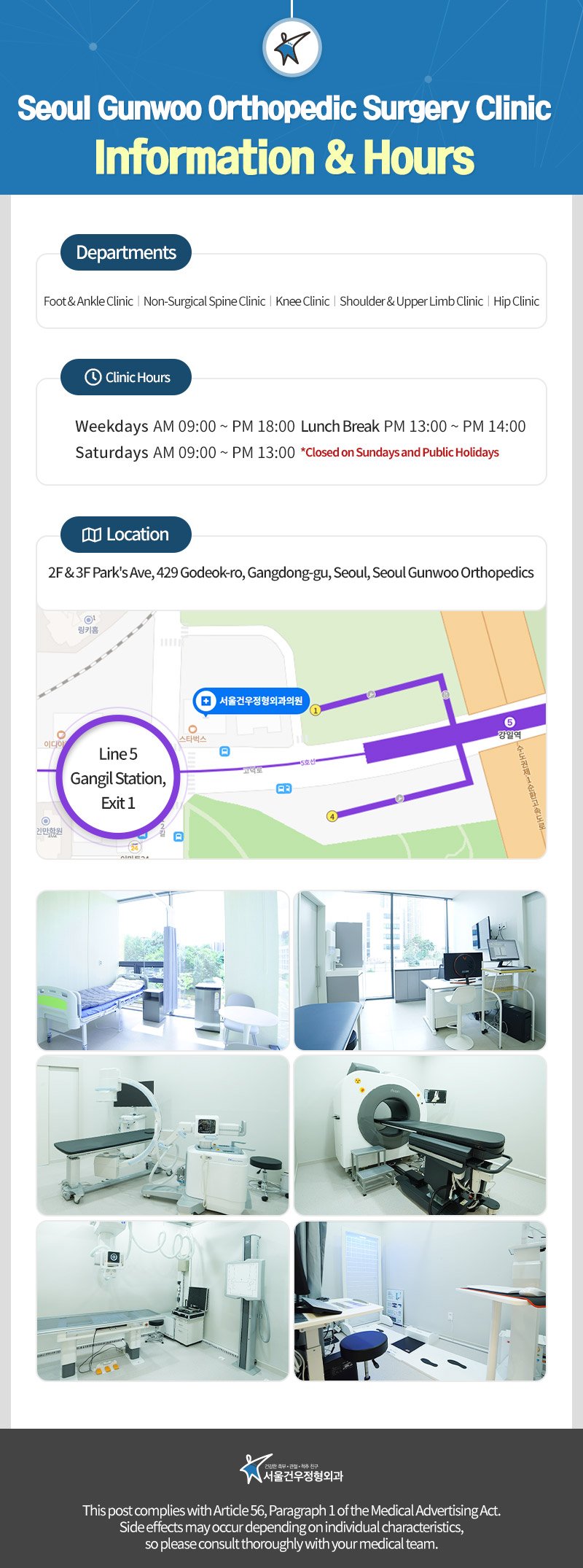
Dr. Min Kyong Dae’s profile lists orthopedic, arthroscopy, and sports-medicine training, including orthopedic training at Severance Hospital, Yonsei University, arthroscopy research experience, and a fellowship at Stanford University Sports Center. The profile also lists an adjunct professorship at Yonsei University. These details provide context about the clinical backgrounds described by the clinic, but your own assessment remains specific to your symptoms. You can prepare a concise account of the problem and ask questions about the proposed evaluation, treatment choices, and follow-up. The clinic is near Gangil Station, Exit 1, which can help with visit planning.
Consultation hours are Monday through Friday from 09:00 to 18:00, with a weekday lunch break from 13:00 to 14:00. Saturday hours are 09:00 to 13:00. The clinic is closed on Sundays and public holidays. Hours are in Korea Standard Time.
| Day | Consultation hours |
|---|---|
| Monday-Friday | 09:00-18:00 |
| Weekday lunch break | 13:00-14:00 |
| Saturday | 09:00-13:00 |
| Sunday and public holidays | Closed |
Confirm the day’s schedule before setting out, particularly if you plan to visit on a public holiday. For a more useful appointment, bring relevant information about your symptoms and any previous care. Describing what makes the pain worse or better can help the medical staff understand how it affects your routine. If you are unsure which service best fits your concern, explain your symptoms when contacting the clinic rather than trying to choose a procedure yourself.
What to Expect from an Orthopedic Foot and Ankle Specialist in Seoul
A visit for foot or ankle symptoms generally begins with a discussion of the concern and an assessment. The relevant details can include the location of pain, how it developed, what movements affect it, and how it changes daily activity. Seoul Gunwoo Orthopedic Surgery Clinic lists both non-surgical care and surgical work across a range of foot and ankle concerns. The treatment pathway depends on the individual assessment, so a service listing should be treated as an area of care, not a predetermined recommendation. Clear communication helps make the consultation more useful.
Prepare a concise symptom history
Before the visit, think through when the symptoms started and whether they appeared suddenly or gradually. Note the exact area affected and whether walking, standing, exercise, or rest changes how it feels. If the issue is related to an injury, describe what happened and how the symptoms developed afterward. These observations can help the medical staff understand the concern and decide what should be assessed during the consultation.
It can also help to recall any earlier treatment and whether it changed the symptoms. For heel pain, for instance, the clinic lists assessment, stretching, and shockwave therapy, alongside discussion of persistent symptoms. Sharing what you have already tried gives the consultation useful context without assuming a diagnosis or a specific treatment. Be specific about function as well as pain: mention whether the concern affects walking, standing, sports, or routine activities. If you have questions about possible options, write them down before the appointment. A short, organized history can support a focused conversation and help you understand the proposed next steps.
A useful consultation begins with a clear account of symptoms, their timeline, and their effect on daily life. Treatment decisions should follow an assessment rather than a guess based on a service name.
Understand the care options listed by the clinic
The clinic lists care for bunions, ankle ligaments, Achilles tendons, heel pain, and plantar fasciitis. For heel pain and plantar fasciitis, the listed approach includes assessment, stretching, shockwave therapy, and discussion of persistent symptoms. Its published surgical work covers bunions, ankle ligament repair and reconstruction, Achilles tendon repair, ankle cartilage, ankle arthritis, and fractures. This range gives patients a starting point for asking whether their concern falls within the clinic’s orthopedic services.
Not every patient with a condition covered by a service listing will need the same treatment. Symptoms, examination findings, and the course of the problem shape the discussion. A person seeking care for ankle ligament concerns may want to describe episodes of instability and any relevant injury, while a patient with a bunion can explain discomfort and how footwear or activity affects it. The medical staff can assess the issue and discuss appropriate options. Ask what the assessment is intended to clarify and how each proposed option relates to your symptoms. This makes the conversation more informative and keeps expectations grounded in your individual circumstances.
Plan your visit and follow-up questions
Think about the practical questions you want answered during the appointment. These may include what the assessment involves, what treatment choices are being considered, and what changes to monitor. If a treatment is proposed, ask how it addresses the concern and what follow-up may be needed. The clinic’s listed services span both non-surgical approaches and surgical work, so a discussion can help distinguish what is relevant to your case.
Bring a concise description of the problem and any details about previous care that may be relevant. If symptoms are persistent, explain how long they have been present and what has or has not helped. For ankle concerns, note whether you feel pain, restricted movement, or instability; for heel symptoms, describe where discomfort occurs and how it relates to standing or walking. These observations are not a substitute for clinical assessment, but they help frame it. Leave the consultation with a clear understanding of the next step recommended for your situation. If more than one option is discussed, ask how the choices relate to your goals and findings.
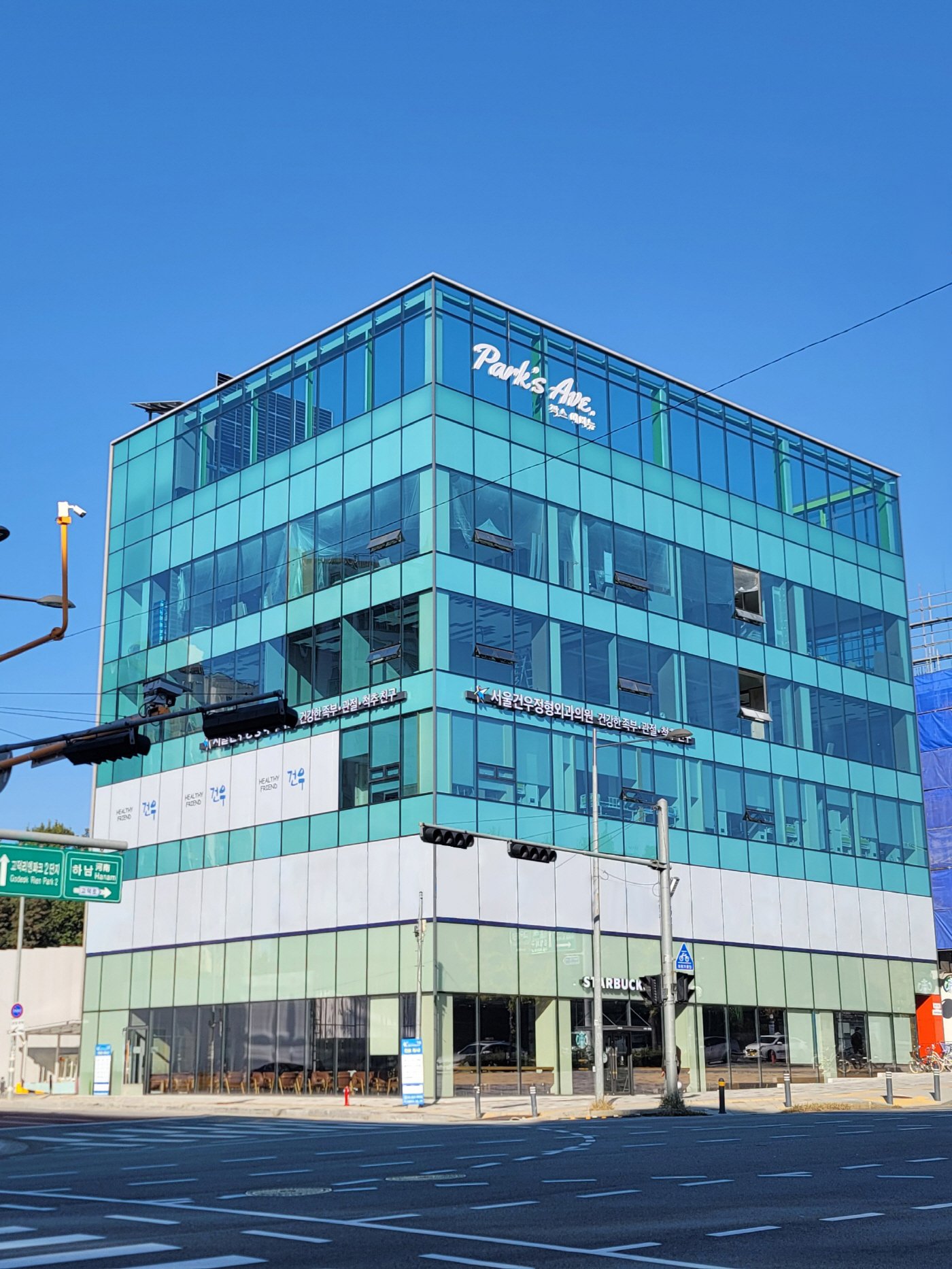
For location planning, Seoul Gunwoo Orthopedic Surgery Clinic is at 2F-3F, 429, Godeok-ro, Gangdong-gu, Seoul, Republic of Korea. It is near Gangil Station, Exit 1. Checking the clinic’s operating schedule before visiting can help you select a suitable time, especially if you are considering a Saturday appointment or planning around a public holiday.
Consultations are available on weekdays and Saturday mornings, with the weekday lunch break from 13:00 to 14:00. The clinic is closed on Sundays and public holidays. If you contact the clinic to arrange a visit, be ready to describe the general concern, such as bunion discomfort, ankle instability, Achilles tendon symptoms, or heel pain. This helps direct your inquiry without requiring you to decide on a treatment in advance.
Finding the Right Orthopedic Foot and Ankle Specialist in Seoul
Choosing where to seek care is not only about finding a service name that matches a symptom. It also involves checking the clinic’s orthopedic focus, reviewing the concerns it treats, and preparing to explain what has changed in your movement or comfort. Seoul Gunwoo Orthopedic Surgery Clinic lists care for several foot and ankle conditions, including bunions, ankle ligament concerns, Achilles tendon problems, heel pain, and plantar fasciitis. A well-prepared consultation helps connect the symptoms you experience with the assessment and care options discussed.
Use symptoms to guide your first inquiry
When contacting a clinic, describe the main concern in everyday terms: where it hurts, when it began, and what makes it better or worse. You can also mention whether it affects walking, standing, exercise, or other regular activities. This gives the clinic a clearer picture of why you are seeking care. You do not need to identify a diagnosis before speaking with the medical staff; the purpose of the visit is to have the concern assessed.
Specific descriptions are often more useful than broad labels. For example, say whether discomfort is under the heel or near the back of the ankle, and whether an ankle feels unstable during movement. If a toe’s shape or position is the concern, explain what symptoms or activity changes have prompted you to seek care. The clinic lists bunion care, ankle ligament care, Achilles tendon care, and heel pain and plantar fasciitis care. Use these service categories as a guide for describing your concern, not as a basis for self-diagnosis. A clear initial explanation can help make the appointment discussion more relevant.
Choose care based on the problem you need assessed, and describe the symptoms in concrete terms. The clinic’s listed services can help you frame your inquiry, while the consultation determines what applies to you.
Ask informed questions about assessment and treatment
During a consultation, ask how the medical staff will assess your concern and what findings will guide the next step. If treatment options are discussed, ask how each option relates to your symptoms and what follow-up may involve. These questions are useful whether you are discussing heel pain, a bunion, ankle ligaments, or the Achilles tendon. The clinic lists assessment and non-surgical approaches for heel pain and plantar fasciitis, as well as surgical work for several foot and ankle conditions.
For persistent symptoms, explain what you have already tried and how the problem has changed. If surgery is raised, ask what the proposed procedure is intended to address and how the decision is made in your case. The clinic’s published surgical work includes bunion procedures, ankle ligament repair and reconstruction, Achilles tendon repair, and work related to ankle cartilage, arthritis, and fractures. That list does not mean surgery is appropriate for every patient with those conditions. Ask for an explanation that connects the proposed care to your assessment and goals. A careful discussion can help you understand the reasoning behind the plan and what to expect next.
Check the location and opening schedule
Seoul Gunwoo Orthopedic Surgery Clinic is located at 2F-3F, 429, Godeok-ro, Gangdong-gu, Seoul, Republic of Korea, near Gangil Station, Exit 1. Its consultation schedule is Monday through Friday, 09:00 to 18:00, with a weekday lunch break from 13:00 to 14:00. Saturday consultations are available from 09:00 to 13:00. The clinic is closed on Sundays and public holidays.
When planning a visit, take the lunch break and weekend schedule into account. If you are arranging an appointment, prepare a short summary of your concern and any questions you want to discuss. You can contact Seoul Gunwoo Orthopedic Surgery Clinic at 02-426-9876. For a smoother visit, check the clinic schedule and plan to explain when the symptoms started, where they occur, and how they affect your daily routine.
The clinic’s focus includes orthopedic care for bunions, ankle ligament concerns, Achilles tendon problems, heel pain, and plantar fasciitis, along with published surgical work involving ankle cartilage, arthritis, and fractures. The right next step depends on an assessment of the individual concern. Bring clear information about your symptoms, ask how the proposed care relates to your situation, and use the consultation to understand the plan.
Frequently Asked Questions
Q.What kind of clinic is Seoul Gunwoo Orthopedic Surgery Clinic?
A.Seoul Gunwoo Orthopedic Surgery Clinic provides orthopedic care. Its listed services include bunion care, ankle ligament care, Achilles tendon care, and care for heel pain and plantar fasciitis.
Q.Who may consider visiting Seoul Gunwoo Orthopedic Surgery Clinic?
A.People seeking assessment or care for bunions, ankle ligament concerns, Achilles tendon problems, heel pain, or plantar fasciitis may consider contacting the clinic. A consultation can help assess the individual concern.
Q.What foot and ankle treatments does Seoul Gunwoo Orthopedic Surgery Clinic offer?
A.For heel pain and plantar fasciitis, the clinic lists assessment, stretching, and shockwave therapy, as well as discussion of persistent symptoms. Its published surgical work includes bunion procedures, ankle ligament repair and reconstruction, Achilles tendon repair, and treatment related to ankle cartilage, arthritis, and fractures.
Q.What should I prepare before visiting Seoul Gunwoo Orthopedic Surgery Clinic?
A.Note when your symptoms began, where they occur, what affects them, and how they influence daily activities. It is also helpful to recall any previous treatment and prepare questions about assessment and care options.
Q.Where is Seoul Gunwoo Orthopedic Surgery Clinic, and how can I contact it?
A.The clinic is at 2F-3F, 429, Godeok-ro, Gangdong-gu, Seoul, Republic of Korea, near Gangil Station, Exit 1. Call 02-426-9876; consultation hours are weekdays and Saturday mornings, and the clinic is closed on Sundays and public holidays.
Clinic Information
| Clinic | Seoul Gunwoo Orthopedic Surgery Clinic |
|---|---|
| Specialty | Orthopedics |
| Address | 2F-3F, 429, Godeok-ro, Gangdong-gu, Seoul, Republic of Korea |
| Phone | 02-426-9876 |
| Website | https://seoulfoot.sillajewelry.com |
| Specialist | Specialist care |
 Seoul Gunwoo Orthopedic Surgery Clinic