
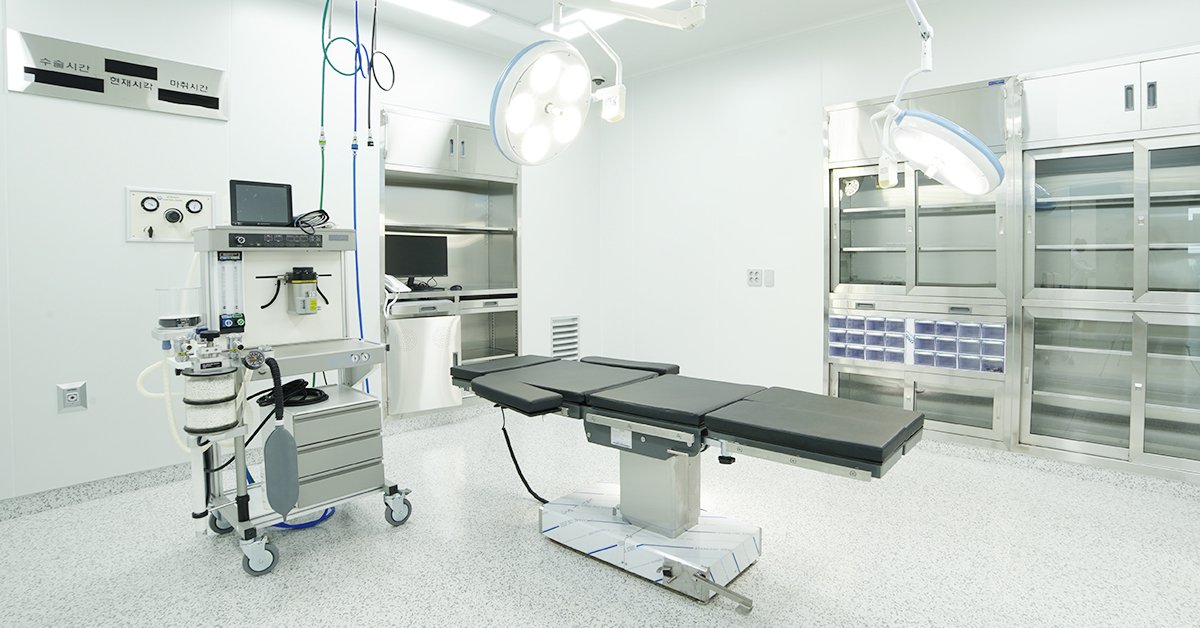
Choosing a Foot and Ankle Surgery Specialist in Seoul
Foot and ankle symptoms can have different causes, so a careful assessment is an important first step before considering surgery. At Seoul Gunwoo Orthopedic Surgery Clinic, orthopedic care includes evaluation and treatment discussions for conditions such as bunions, ankle ligament injuries, Achilles tendon problems, ankle cartilage conditions, arthritis, and fractures. A surgical procedure should be considered in light of the specific condition, symptoms, and clinical assessment. The clinic’s doctors have orthopedic backgrounds, with experience and training relevant to foot and ankle care.
Start with the condition, not the procedure
Pain, swelling, stiffness, or difficulty bearing weight does not by itself identify the underlying problem. A consultation can help clarify the affected area and discuss whether a surgical or nonsurgical approach is appropriate. The clinic provides care for bunions, ankle ligament concerns, Achilles tendon conditions, ankle cartilage issues, arthritis, and fractures. Sharing when symptoms began and what activities affect them can help make the discussion more focused.
For heel pain and plantar fasciitis, care may involve assessment, stretching, shockwave therapy, and a discussion of persistent symptoms. These options are distinct from the clinic’s published surgical work, which includes procedures involving bunions, ankle ligament repair and reconstruction, Achilles tendon repair, ankle cartilage, ankle arthritis, and fractures. The appropriate plan depends on the clinical findings and the person’s needs. Ask what a proposed treatment is intended to address and how it relates to your diagnosis. That conversation can help you understand the choices without assuming that surgery is necessary.
Foot and ankle symptoms can arise from different conditions, so the first task is to understand the problem before choosing a treatment. A consultation should connect the assessment to the options being discussed, including whether surgery is appropriate.
Understand the clinic’s orthopedic background
Dr. Choi Hong Joon has a background in foot and ankle medicine, clinical practice, and research. His listed qualifications include a PhD in Medicine from Korea University and a fellowship at Seoul Foot Center, Inje University Seoul Paik Hospital. His profile also lists a former visiting professorship at the Foot & Ankle Center, Massachusetts General Hospital. These details describe professional background; they do not establish that every foot and ankle condition requires surgery.
Dr. Min Kyong Dae is listed as an orthopaedic specialist, with training in orthopedics, arthroscopy, and sports medicine. His profile includes arthroscopy research experience at Severance Hospital, Yonsei University, an adjunct professor role at Yonsei University, and a fellowship at Stanford University Sports Center. When discussing care, patients can ask which clinician will assess the condition and how that clinician’s experience relates to the treatment under consideration. Clear questions about diagnosis, alternatives, and follow-up can help make the consultation more useful.
Prepare for a focused consultation
Before an appointment, consider noting where the discomfort occurs, when it began, and whether it changes with walking or other activities. Bring relevant medical records or imaging if available, and list treatments you have already tried. These details can help the medical staff understand the concern and guide a practical discussion. Be ready to describe your main concern in your own words.
It can also help to write down questions about the diagnosis, treatment choices, and what to expect after a proposed procedure. If you are seeking an opinion about surgery, ask why that approach is being considered and whether other options are relevant. The answers should relate to your assessment rather than a general description of a procedure. For communication planning, contact the clinic before booking to confirm language support or interpretation. An English-language website does not confirm that an English-speaking clinician or interpreter will be available.
Keep your priorities practical: explain which activities are affected, what you hope to address, and any concerns about treatment. The medical staff can discuss the findings and the available care options in that context. Going into the appointment with concise notes and questions can make it easier to follow the conversation. If language assistance is important, arrange that discussion before your visit rather than assuming it will be available on the day.
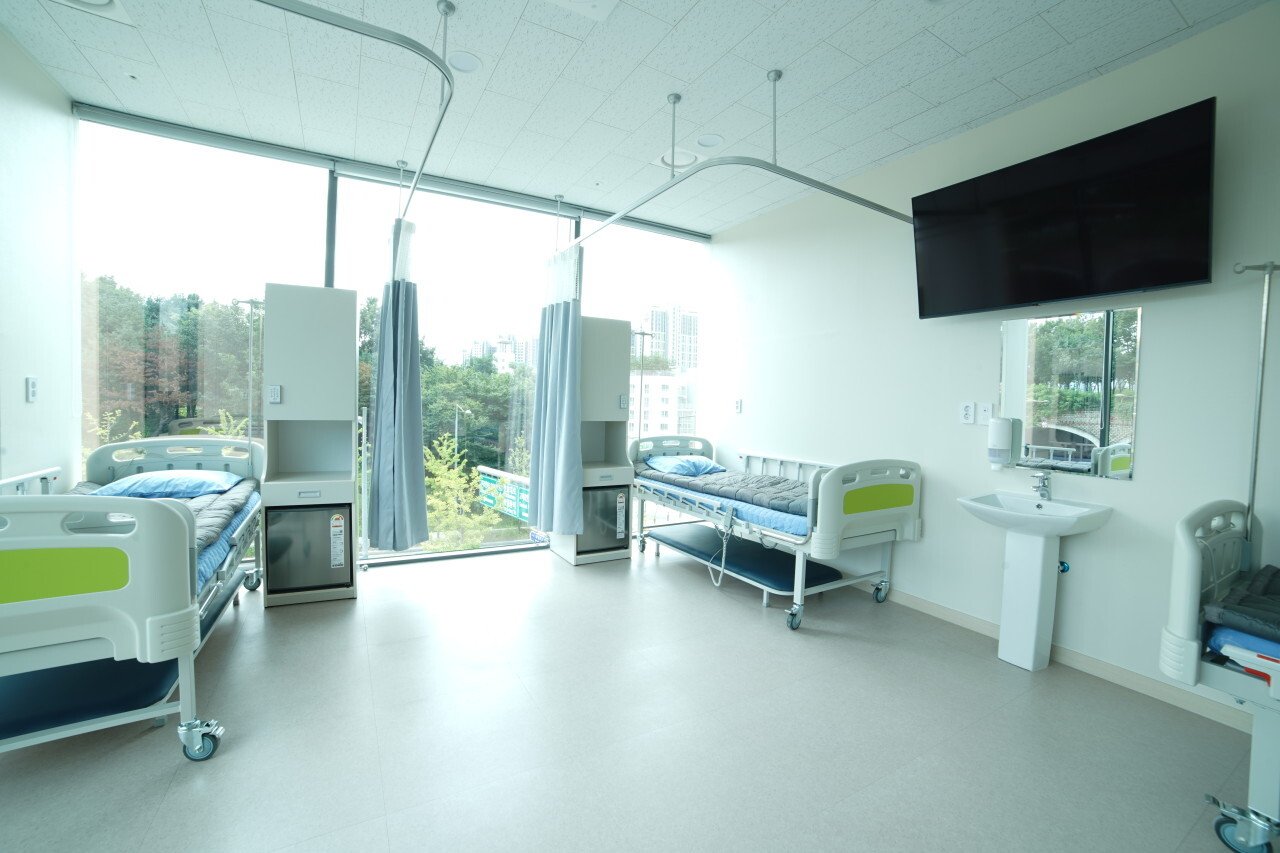
Foot and Ankle Surgery Specialist in Seoul: Conditions and Care Options
Care depends on the condition being assessed. Seoul Gunwoo Orthopedic Surgery Clinic’s published foot and ankle care covers bunions, ankle ligament concerns, Achilles tendon conditions, heel pain and plantar fasciitis, ankle cartilage conditions, ankle arthritis, and fractures. Some concerns may be managed through assessment and nonsurgical care, while the clinic’s published surgical work includes repair, reconstruction, and other procedures for specific conditions. The treatment discussion should be tied to the diagnosis and individual clinical findings.
Bunions and ankle ligament concerns
Bunion care and ankle ligament care are among the clinic’s listed areas of treatment. A consultation can clarify the concern and discuss suitable next steps. The clinic’s published surgical work includes bunion procedures as well as ankle ligament repair and reconstruction. Not every person with a bunion or ankle symptoms will have the same needs, so treatment decisions should follow an assessment rather than rely on the condition name alone.
When discussing a bunion, explain how it affects footwear, walking, or daily activities and whether the symptoms have changed over time. For an ankle ligament concern, describe the circumstances in which it began and any continuing instability or discomfort. These details can help shape the clinical discussion. If surgery is raised, ask what the procedure is intended to address, what alternatives may be relevant, and how the care plan will be determined. Understanding the reason for a proposed procedure is as important as knowing its name. The medical staff can relate the options to the findings from your assessment.
The clinic’s care includes both bunion and ankle ligament concerns, with published surgical work covering bunion procedures and ligament repair or reconstruction. The appropriate option depends on assessment, symptoms, and the specific treatment goal.
Achilles tendon, cartilage, arthritis, and fractures
Achilles tendon care is another listed area, and the clinic’s published surgical work includes Achilles tendon repair. The clinic also lists surgical care related to ankle cartilage, ankle arthritis, and fractures. These conditions differ in their causes and treatment considerations, so an assessment is needed to identify what is affecting the foot or ankle. Patients can ask how the findings inform the proposed care plan.
For a consultation about an Achilles tendon problem, describe the location of symptoms and how they affect movement or activity. For suspected cartilage problems, arthritis, or a fracture, share any relevant history and previous evaluations. If surgery is discussed, ask what the procedure aims to address and what the decision is based on. The details of recovery and follow-up should be discussed in relation to the planned care and individual condition. Do not assume that two people with the same condition label will have the same treatment plan. Changes may take time depending on individual condition, and the medical staff can explain what to monitor.
Heel pain and plantar fasciitis care
Heel pain and plantar fasciitis care at the clinic includes assessment, stretching, shockwave therapy, and discussion of persistent symptoms. This provides a basis for evaluating symptoms and considering care options without assuming that a surgical procedure is needed. Tell the medical staff what activities bring on the pain and whether it has continued despite previous steps.
Ask how the assessment relates to the symptoms and what each recommended option is intended to do. If stretching or shockwave therapy is discussed, clarify how it fits into the care plan and what follow-up may be appropriate. Persistent symptoms can be addressed as part of the consultation, with the next steps guided by the clinical assessment. A clear account of how the heel pain affects daily activity helps keep the discussion specific.
Some foot and ankle concerns are managed through care that does not involve surgery, while others may prompt discussion of a procedure. The clinic lists stretching and shockwave therapy among its heel pain and plantar fasciitis care, and its published surgical work includes other conditions such as bunions, ligament injuries, Achilles tendon problems, cartilage conditions, arthritis, and fractures. Ask which options fit your diagnosis rather than treating a list of procedures as a recommendation.
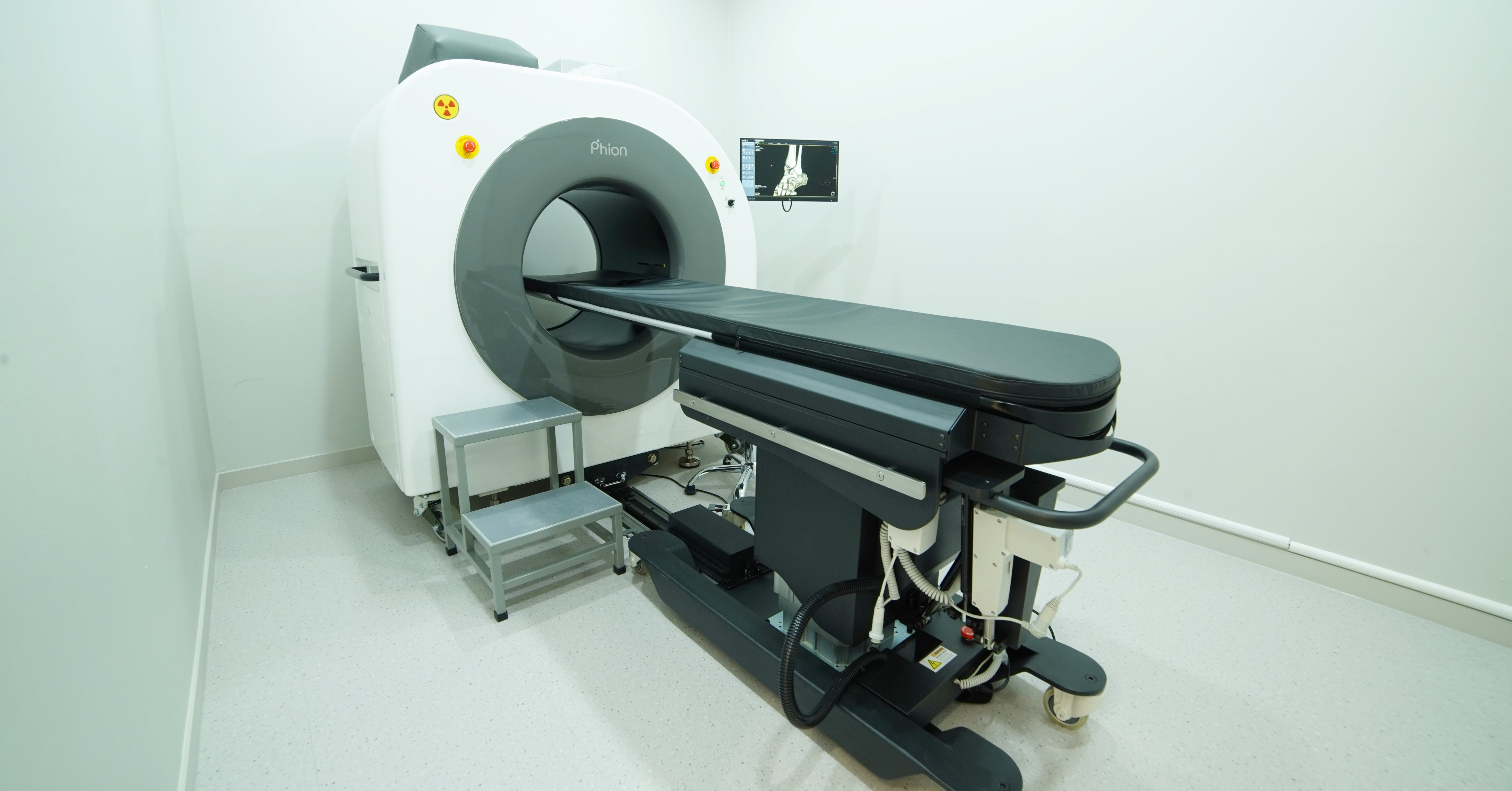
Planning a Visit to a Foot and Ankle Surgery Specialist in Seoul
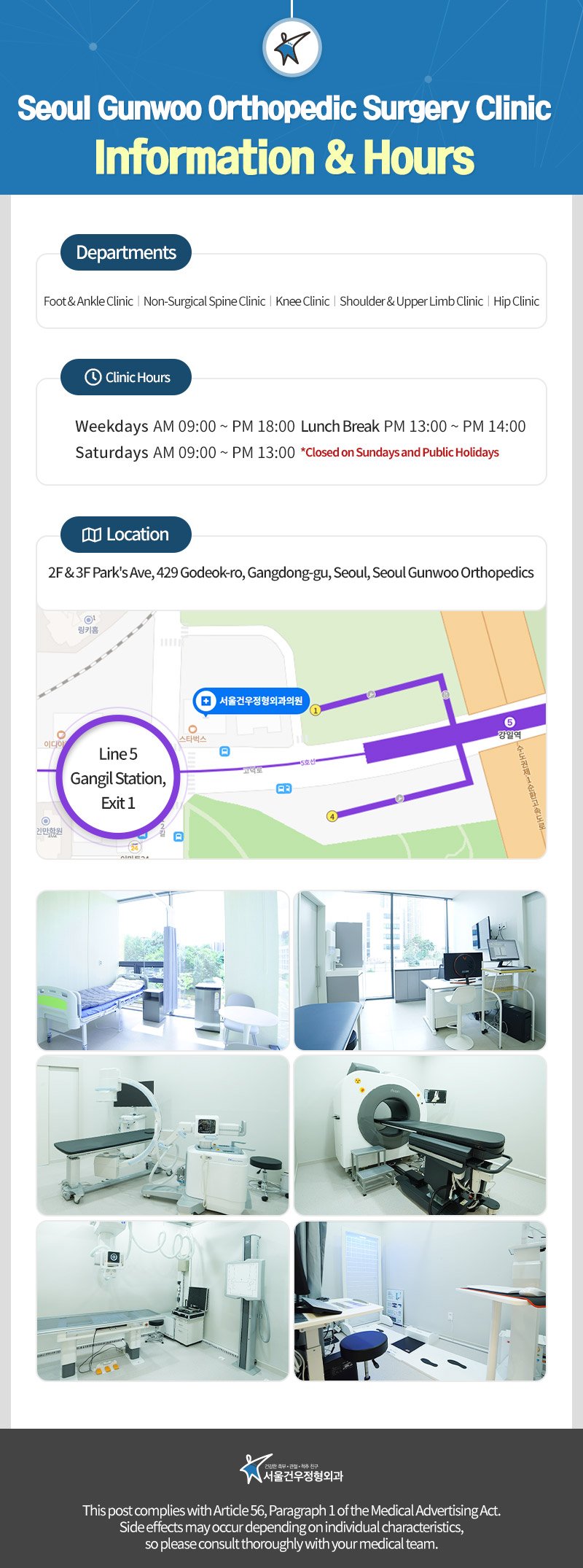
Planning ahead can make it easier to have a focused discussion about foot and ankle care. Seoul Gunwoo Orthopedic Surgery Clinic is located at 2F-3F, 429, Godeok-ro, Gangdong-gu, Seoul, Republic of Korea, near Gangil Station, Exit 1. Consultation hours are Monday through Friday from 09:00 to 18:00, with a weekday lunch break from 13:00 to 14:00, and Saturday from 09:00 to 13:00. The clinic is closed on Sundays and public holidays. Contact the clinic before booking to confirm language support or interpretation.
Check appointment and communication details
Before arranging a visit, confirm the appointment details directly with the clinic. Consultation hours are listed in Korea Standard Time (UTC+9); weekday consultations pause for lunch, and the clinic is closed on Sundays and public holidays. The clinic is at 2F-3F, 429, Godeok-ro, Gangdong-gu, Seoul, near Gangil Station, Exit 1. If you need interpretation or language support, ask about availability before booking.
An English-language website does not confirm that an English-speaking clinician or interpreter will be available. Contact the clinic in advance to discuss the communication support you need and whether it can be arranged for your appointment. You can also confirm the visit time and what information to bring. Planning these details beforehand can help you use the consultation time to discuss your symptoms and care options. Do not rely on assumptions about language services; confirm directly before travelling.
Confirm the appointment and communication arrangements before visiting, especially if you need language support. The clinic is near Gangil Station, Exit 1, and its hours include weekday and Saturday consultations, with Sunday and public holiday closures.
Know what to discuss about treatment
Bring a concise account of your symptoms and any relevant medical records or imaging you have. If you are considering a procedure, ask what condition it addresses, how the assessment supports that recommendation, and what alternatives are appropriate to discuss. The clinic’s published surgical work includes bunions, ankle ligament repair and reconstruction, Achilles tendon repair, ankle cartilage, ankle arthritis, and fractures. The treatment plan should reflect your individual clinical findings.
Ask how follow-up will be handled and what guidance applies to your situation after treatment. Because needs differ by condition and procedure, recovery expectations should be discussed with the medical staff rather than assumed from someone else’s experience. If the appointment includes discussion of nonsurgical care, ask how options such as stretching or shockwave therapy relate to your symptoms. A useful consultation explains the link between the assessment, the proposed treatment, and the next steps. Take notes if that will help you review the information afterward.
Visit information and practical questions
The clinic’s address is 2F-3F, 429, Godeok-ro, Gangdong-gu, Seoul, Republic of Korea. It is near Gangil Station, Exit 1. Consultation hours are Monday through Friday from 09:00 to 18:00, with a weekday lunch break from 13:00 to 14:00, and Saturday from 09:00 to 13:00. The clinic is closed on Sundays and public holidays.
For appointment or language-support questions, contact Seoul Gunwoo Orthopedic Surgery Clinic at 02-426-9876. Confirm the appointment before travelling, particularly if you need interpretation or other language assistance. Make sure your visit time falls within consultation hours and outside the weekday lunch break. If you are seeking assessment for a foot or ankle concern, prepare a short summary of your symptoms and the questions you want answered.
Use the visit to clarify the diagnosis and treatment options rather than expecting a specific procedure in advance. The medical staff can discuss care in relation to the findings, including whether a surgical option is relevant. Contacting the clinic before booking can also help you confirm practical arrangements. Clear communication about symptoms, appointment details, and language needs supports a more informed consultation.
Clinic Information
| Clinic | Seoul Gunwoo Orthopedic Surgery Clinic |
|---|---|
| Specialty | Orthopedics |
| Address | 2F-3F, 429, Godeok-ro, Gangdong-gu, Seoul, Republic of Korea |
| Phone | 02-426-9876 |
| Website | https://seoulfoot.sillajewelry.com |
| Specialist | Specialist care |
 Seoul Gunwoo Orthopedic Surgery Clinic