
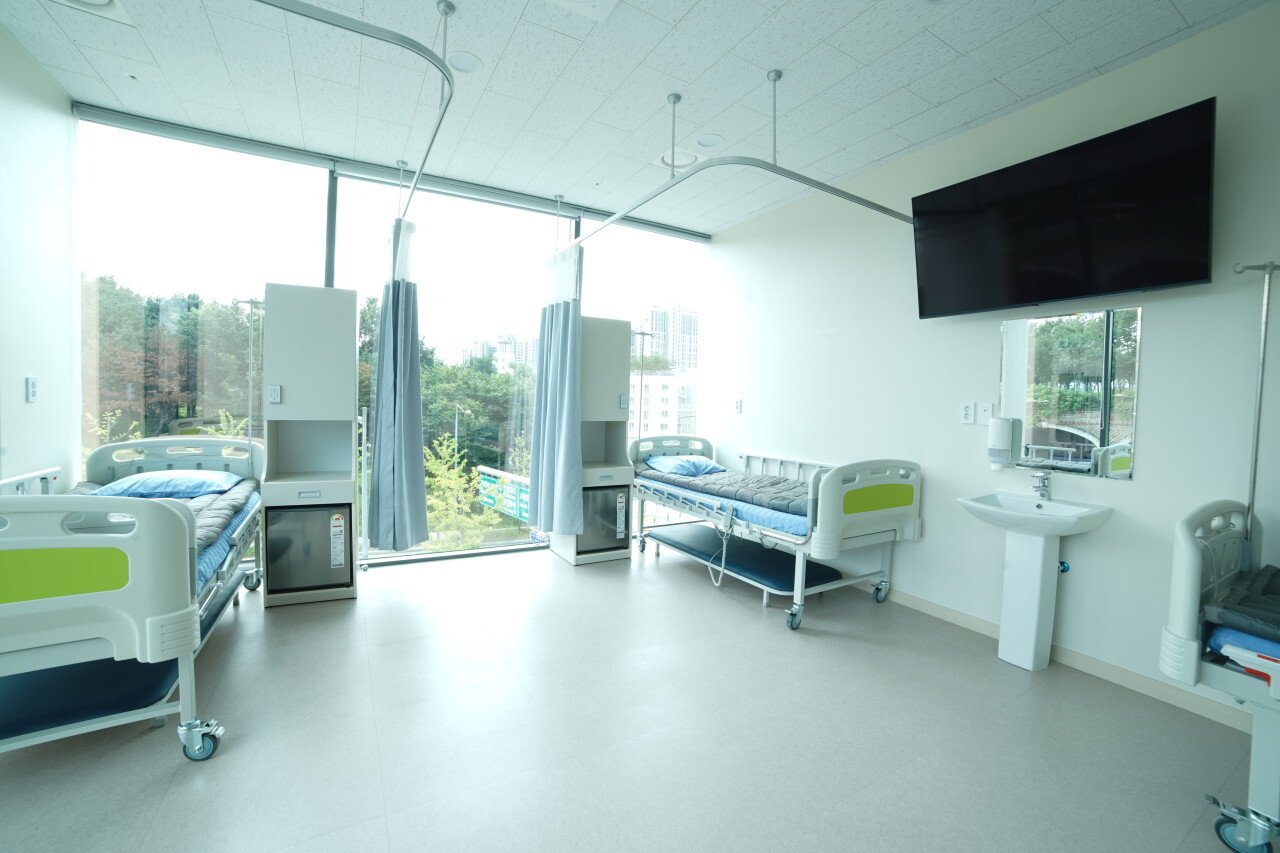
Searching for the Best hospital for ankle surgery in Seoul
Choosing where to discuss ankle surgery starts with understanding the injury and the treatment options available. Persistent instability, tendon injury and damage to the joint surface are different problems, so the procedure should be selected for the diagnosis, not simply for its name. Seoul Gunwoo Orthopedic Surgery Clinic provides orthopedic care and lists several foot and ankle techniques. A consultation is an opportunity to discuss symptoms, previous treatment and the evidence for surgery, as well as the practical demands of recovery.
Start with the condition, not the procedure
An ankle can feel painful or unstable for reasons. A ligament injury may leave the joint feeling as though it gives way, while an Achilles tendon injury can affect movement and strength at the back of the ankle. Joint-surface damage is another consideration. These problems are not interchangeable, and a description of pain alone does not establish a diagnosis. During an appointment, explain where symptoms occur, what brings them on and whether an injury preceded them.
It is also useful to describe how symptoms affect daily activities. Difficulty walking on uneven ground, returning to exercise or standing for long periods can help the attending doctor understand what matters to you. If the ankle has given way repeatedly, note whether episodes occur during sport or ordinary movement. Bring any relevant imaging reports or treatment records you already have; the attending doctor can decide whether further assessment is needed. A surgical technique listed by a clinic is not automatically the right treatment for every ankle complaint. Ask how the proposed diagnosis relates to your symptoms and whether nonsurgical treatment remains an option. If surgery is recommended, request a clear explanation of its purpose, the expected recovery process and any limitations that could apply to your situation. That discussion should make room for your questions and priorities as well as the clinical findings.
The starting point is an accurate assessment of the ankle problem, followed by a discussion of treatment options. A procedure name is useful only when you understand why it fits your diagnosis and goals.
Consider the medical staff’s background
Dr. Choi Hong Joon has a background in foot and ankle medicine, clinical practice and research, and holds a PhD in medicine. Dr. Min Kyong Dae is an orthopedic specialist whose profile includes arthroscopy and sports-medicine training. These backgrounds provide useful context when considering orthopedic care, but a consultation remains important for understanding who will assess your condition and how a treatment recommendation applies to you.
Before an appointment, think about the experience most relevant to your concern. For example, someone with recurrent ankle instability may want to discuss ligament assessment, while someone with an Achilles injury may have questions about tendon repair. Relevant training and a clear explanation of the proposed plan are both worth considering. You can ask the attending doctor which structure is injured, how the diagnosis was reached and what the treatment is intended to address. If a procedure is recommended, ask who will perform it and who will guide follow-up care. It is also reasonable to ask how the plan might change if the examination or imaging shows something unexpected. The purpose is not to seek a promise about an outcome, but to understand the clinical reasoning behind the recommendation and the role you will have in recovery.
Review the listed techniques
Seoul Gunwoo Orthopedic Surgery Clinic lists Modified Broström ligament repair and ligament reconstruction among its techniques. The clinic also lists ultrasound-guided Achilles repair, OATS and SMO. These names refer to different approaches and should be discussed in the context of a specific diagnosis. The clinic additionally lists MICA minimally invasive bunion surgery and absorbable screws for bunion and fracture fixation; these may be relevant to foot conditions or fractures rather than every ankle complaint.
The following overview can help you prepare questions, but it does not determine which treatment you need. The attending doctor should explain the purpose of any recommendation and whether it is appropriate for your condition.
| Technique listed | Discussion point |
|---|---|
| Modified Broström ligament repair | Whether ligament repair is appropriate for the diagnosed injury |
| Ligament reconstruction | Why reconstruction may be considered instead of repair |
| Ultrasound-guided Achilles repair | How an Achilles injury is assessed and treated |
| OATS | Whether treatment of joint-surface damage is relevant |
| SMO | Whether a bone-alignment procedure is relevant |
Some techniques have abbreviated names that can be unfamiliar to patients. Ask the medical staff to explain any abbreviation, the structure being treated and the intended aim in plain English. If more than one approach is reasonable, ask how the options differ in preparation and rehabilitation. The value of a procedure depends on its suitability for the individual condition.
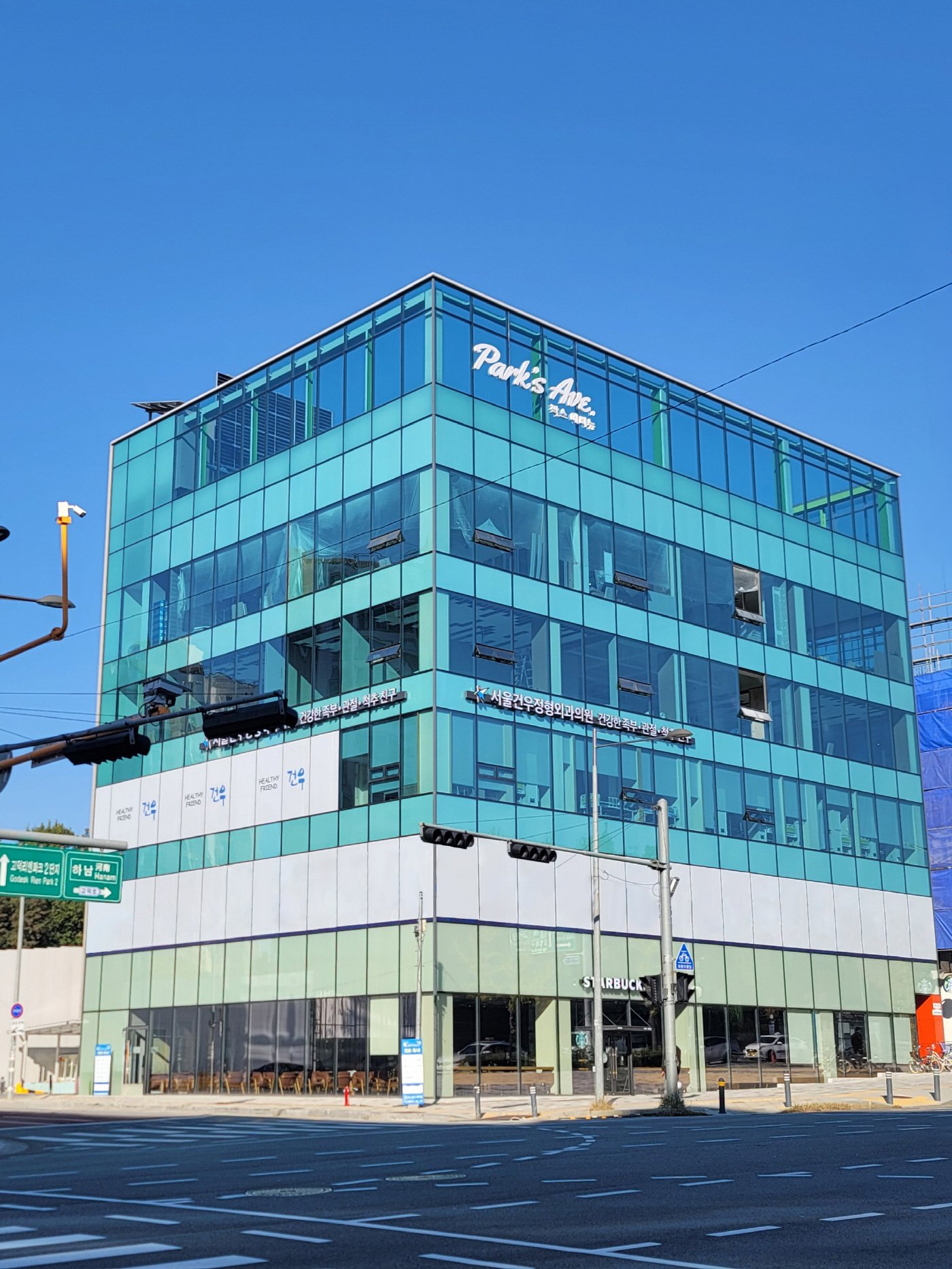
Best hospital for ankle surgery in Seoul: Understanding treatment options
Ankle treatment may involve rehabilitation, support for the joint, surgery or a combination of approaches. The appropriate plan depends on the diagnosis, the extent of injury, symptoms and prior treatment. Seoul Gunwoo Orthopedic Surgery Clinic lists procedures for ligament and Achilles tendon problems, as well as techniques that may be relevant to other foot and ankle conditions. Ask the attending doctor to explain both the proposed treatment and the reasons for considering alternatives.
Ligament repair and reconstruction
Ligaments help stabilize the ankle. Following an injury, some people continue to experience instability despite initial treatment. Modified Broström ligament repair is one of the techniques listed by Seoul Gunwoo Orthopedic Surgery Clinic; ligament reconstruction is another. Repair and reconstruction are different approaches, and the choice depends on the individual assessment. Neither procedure should be assumed necessary solely because an ankle has been sprained or feels uncomfortable.
If instability is your main concern, describe how often the ankle gives way and what you have already tried. The attending doctor may consider your history, examination findings and any relevant imaging when discussing a plan. Ask what the proposed procedure would address and why it is preferable to continued nonsurgical care or another operation. You can also ask how the condition of the ligament and surrounding structures affects the decision. If repair is recommended, request an explanation of what it involves; if reconstruction is proposed, ask why that approach is being considered. Recovery planning is part of the treatment decision, not an afterthought. Discuss whether support or protection for the ankle may be needed after surgery, how rehabilitation will be arranged and when your progress will be reviewed. The details should be tailored to the procedure and your circumstances.
Ligament repair and reconstruction address different clinical needs, so the choice follows an assessment rather than a label. Ask how the recommendation relates to your instability and what rehabilitation will require.
Achilles tendon and joint-surface concerns
The Achilles tendon connects the calf muscles to the heel and plays an important role in walking and other movement. Seoul Gunwoo Orthopedic Surgery Clinic lists ultrasound-guided Achilles repair among its techniques. A suspected tendon injury needs an assessment before a treatment plan can be selected. The attending doctor can explain whether surgery is appropriate and how the proposed approach relates to the type of injury.
For some ankle problems, the discussion may also include the surface of the joint. The clinic lists OATS, a technique associated with treatment of certain cartilage and underlying bone defects, and SMO, an abbreviation for supramalleolar osteotomy, a procedure used to alter alignment above the ankle. Neither is appropriate for every patient with ankle pain. Ask the attending doctor whether joint-surface damage or alignment is relevant to your findings, and how that conclusion was reached. If imaging is discussed, request an explanation of what it shows and how it affects the plan. Knowing the goal of treatment can make unfamiliar terminology easier to understand. For example, ask whether the recommendation is intended to address a tendon injury, joint instability, a surface defect or alignment. Then discuss the likely steps in recovery and any activities that may need to be modified.
Points to consider before treatment
Every operation involves considerations that should be discussed before deciding to proceed. Depending on the procedure and individual circumstances, these can include infection, bleeding, nerve injury, stiffness or ongoing symptoms. Ask which concerns are most relevant to your case and how the medical staff plans to monitor recovery. No procedure can promise a particular outcome. Changes may take time depending on the individual condition and the treatment performed.
Tell the attending doctor about medications, allergies, medical conditions and previous reactions to anesthesia. Do not stop prescribed medication without instructions from the clinician responsible for it. Ask whether you need to arrange help at home, transportation or time away from work, and what to do if you develop concerning symptoms after treatment. A written list can make it easier to remember the discussion and compare the plan with your practical needs.
If an injury causes severe pain, an obvious deformity, a cold or numb foot, or an inability to bear weight, seek urgent medical assessment rather than waiting for a routine consultation. For less urgent symptoms, keeping a record of changes can help the attending doctor understand the pattern. Note what activities make symptoms better or worse and whether swelling or instability affects your usual routine.
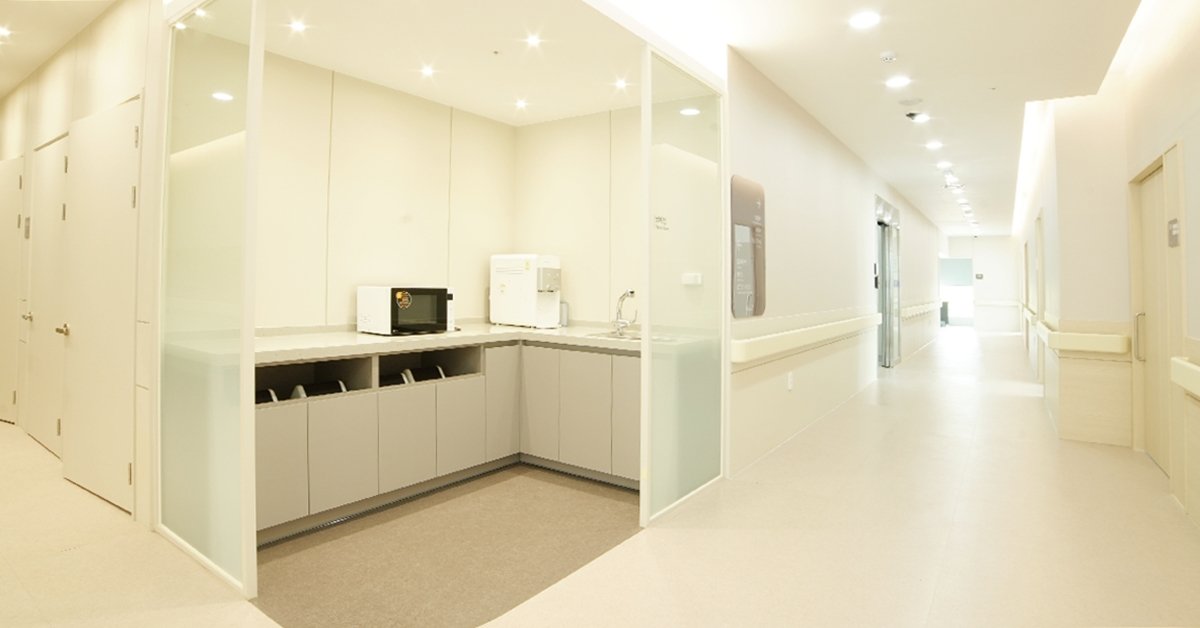
Best hospital for ankle surgery in Seoul: Planning your visit
A useful consultation begins before you arrive. Gather relevant records, prepare a concise account of your symptoms and identify the decisions you need to make. Seoul Gunwoo Orthopedic Surgery Clinic offers orthopedic consultations in Gangdong-gu, Seoul. The discussion can cover whether surgery is appropriate, what a recommended procedure is intended to do and how follow-up may be organized. Bring questions about recovery as well as the operation itself.
What to bring to the appointment
If you have been treated for the same problem elsewhere, bring available imaging, reports and details of previous treatment. A medication list and a record of relevant medical conditions can also help the attending doctor understand your situation. Write down when symptoms began, whether an injury occurred and which activities are affected. You do not need to arrive with a diagnosis; the goal is to give the medical staff a clear account of what you have experienced.
Consider bringing a short list of questions in order of priority. You might ask what is causing the symptoms, whether further assessment is needed and what treatment options are reasonable. If surgery is discussed, ask about the purpose of the operation, the anticipated recovery plan and the possibility of persistent symptoms. It is also helpful to describe the activities you hope to return to, whether that means walking comfortably, working on your feet or participating in sport. Be specific about the demands of your routine so the discussion can address them. If you have already tried rehabilitation or another form of treatment, explain what you did and how your symptoms responded. Clear information supports a more useful conversation, but the final recommendation should follow the clinical assessment. You can take notes during the visit or ask for clarification when a term or instruction is unfamiliar.
Good preparation helps the attending doctor understand both the condition and its effect on daily life. Bring relevant records and ask for a treatment and recovery plan you can follow.
Consultation hours and access
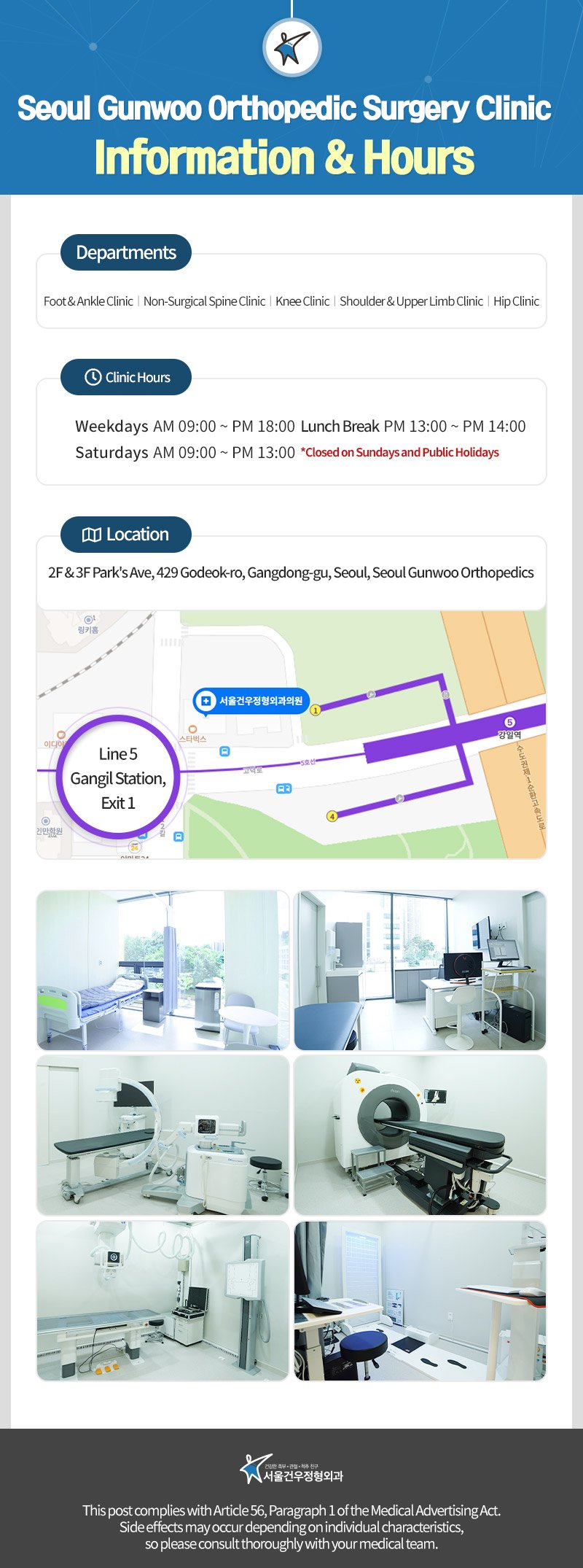
Seoul Gunwoo Orthopedic Surgery Clinic is near Gangil Station, Exit 1. Consultation hours are listed below in Korea Standard Time. If you need to discuss an appointment or the practical details of a visit, contact our clinic before making travel arrangements. For a surgical consultation, allow time to explain your history and ask questions about the recommendation; the length of an individual visit will depend on the assessment.
Consider your journey as part of your planning, particularly if walking is uncomfortable. A companion can help with transportation or note-taking, although the need for assistance depends on your condition and the visit. If treatment is proposed, ask what arrangements will be needed afterward rather than assuming you can follow your usual routine immediately. The medical staff can explain the expected next steps for your circumstances. For a future procedure, discuss the preparation instructions, any restrictions and how follow-up appointments will be scheduled. If you have a deadline related to work, travel or caregiving, raise it during the consultation so it can be considered alongside the clinical plan. The aim is to understand the decision before making commitments that could be affected by treatment or recovery.
| Day | Consultation hours |
|---|---|
| Monday–Friday | 09:00–18:00; lunch break 13:00–14:00 |
| Saturday | 09:00–13:00 |
| Sunday and public holidays | Closed |
Questions to ask before deciding
A clear decision includes an understanding of the diagnosis, alternatives and recovery. Ask what the operation is intended to address, why the proposed technique fits your findings and what could happen if you continue with nonsurgical care. If you are unsure about a term, ask for an explanation in everyday language. You can also request clarification about the expected follow-up and who to contact if a concern arises.
Cost and timing are practical parts of the decision. Ask for an explanation of the expected charges and what is included, as well as the anticipated treatment schedule. Recovery and rehabilitation differ according to the procedure and the individual condition, so discuss your work, travel and daily responsibilities with the attending doctor. Make sure you understand the plan before agreeing to treatment.
Finally, keep your goals realistic and specific. A treatment discussion can address the problems that matter to you, but it should also acknowledge uncertainty and the work involved in rehabilitation. If the recommendation is unclear, ask the medical staff to explain it again or outline the next steps in writing. An informed choice rests on a diagnosis, a reasoned treatment plan and a shared understanding of what recovery may involve.
Frequently Asked Questions
Q.What kind of care does Seoul Gunwoo Orthopedic Surgery Clinic provide?
A.Seoul Gunwoo Orthopedic Surgery Clinic provides orthopedic care and lists foot and ankle techniques, including ligament repair and Achilles repair.
Q.Who might benefit from an ankle consultation?
A.A consultation can be useful for someone experiencing ankle instability, an Achilles tendon injury or persistent ankle symptoms. The attending doctor can assess the condition and discuss appropriate options.
Q.What ankle procedures are listed by Seoul Gunwoo Orthopedic Surgery Clinic?
A.The clinic lists Modified Broström ligament repair, ligament reconstruction and ultrasound-guided Achilles repair. It also lists OATS and SMO among its techniques.
Q.What should I bring to an appointment?
A.Bring relevant imaging or treatment records you already have, along with a medication list and notes about your symptoms. A list of questions can help you discuss the diagnosis and treatment plan.
Q.Where is Seoul Gunwoo Orthopedic Surgery Clinic, and how can I contact it?
A.Our clinic is at 2F–3F, 429 Godeok-ro, Gangdong-gu, Seoul, Republic of Korea, near Gangil Station, Exit 1. The phone number is 02-426-9876.
Clinic Information
| Clinic | Seoul Gunwoo Orthopedic Surgery Clinic |
|---|---|
| Specialty | Orthopedics |
| Address | 2F-3F, 429, Godeok-ro, Gangdong-gu, Seoul, Republic of Korea |
| Phone | 02-426-9876 |
| Website | https://seoulfoot.sillajewelry.com |
| Specialist | Specialist care |
 Seoul Gunwoo Orthopedic Surgery Clinic