

Bunion Surgery Reviews Seoul: Understanding Your Options
Searching for bunion surgery reviews in Seoul is often a starting point for people who want to understand treatment and recovery. Reviews can describe personal experiences, but a bunion’s symptoms and treatment needs differ from person to person. Seoul Gunwoo Orthopedic Surgery Clinic provides orthopedic care for bunions and has published surgical work on the condition. The decision to consider surgery should follow an assessment of your symptoms, foot function, and treatment goals.
What a Bunion Can Mean for Daily Life
A bunion is a bony prominence at the base of the big toe, often accompanied by a change in the toe’s alignment. It can make certain shoes uncomfortable and cause irritation around the joint. Some people notice discomfort during walking or other activities, while others have little pain. The appearance of a bunion alone does not establish whether surgery is needed. A clinical assessment considers the concerns that matter to the individual, including pain, footwear difficulties, and changes in daily activity.
Before an appointment, consider when discomfort occurs and what seems to aggravate it. For example, pain associated with a particular shoe may call for a different discussion from pain that persists across activities. It can also help to note whether the skin around the joint becomes irritated and whether the big toe feels stiff. These observations give the medical staff a clearer picture of the problem, although an examination is still needed to understand its cause. Describe both the symptoms and their effect on your routine, rather than relying on the appearance of the foot alone. If you have already tried changing shoes or reducing an activity, explain what you did and whether it made a difference. That history can help guide a practical conversation about what to consider next.
A bunion assessment starts with more than the visible prominence: pain, footwear, and daily function all matter. Reviews can help you prepare questions, but they cannot determine which treatment is appropriate for your foot.
When Surgery Enters the Discussion
Surgery may be discussed when bunion symptoms continue to interfere with daily life despite measures intended to reduce discomfort. The attending doctor can explain whether an operation is appropriate after examining the foot and considering your circumstances. Not every bunion requires surgery, and the choice should not rest solely on how the toe looks. Ask how the proposed treatment addresses your particular symptoms and what alternatives are reasonable to consider before making a decision.
A useful consultation also distinguishes the goal of reducing symptoms from expectations about appearance or footwear. If surgery is being considered, ask the medical staff to explain the proposed approach, the intended benefit, and the recovery plan in terms that relate to your work and activities. It is reasonable to ask what the examination shows, whether imaging is needed, and how that information influences the recommendation. You can also discuss any health conditions, medications, or previous foot treatment that could be relevant to planning care. Informed decisions depend on understanding both the proposed treatment and the commitments involved in recovery. Take time to raise practical concerns, including mobility after the procedure and help you might need at home. A treatment recommendation should be considered in the context of your own symptoms and priorities, rather than another person’s account.
Reading Reviews With Perspective
Patient reviews can be useful for identifying questions about communication, appointments, and the practical experience of receiving care. They are less useful as a prediction of your individual result. Reviewers may have different symptoms, health histories, procedures, or expectations, and a short account rarely includes all the details needed to compare cases. Look for information that helps you prepare for a consultation rather than treating a positive or negative experience as a medical recommendation.
Pay attention to whether a review explains what was discussed before treatment and how questions were handled. Be cautious about drawing conclusions from accounts that focus only on a photograph or a brief description of recovery. A review is one person’s perspective; an examination and a clear discussion with the medical staff are more relevant to your own decision. Bringing specific questions to an appointment can turn a broad search into a more useful conversation about your options.
For example, ask what findings support the proposed plan, what other approaches might be considered, and what follow-up would involve. You can also ask which activities may need adjustment during recovery. These questions are applicable whether your main concern is pain, difficulty finding comfortable shoes, or uncertainty about surgery. The answers should help you understand the reasoning behind care, rather than simply compare impressions from reviews.

Bunion Surgery Reviews Seoul: Assessment and Treatment Planning
An orthopedic assessment connects your symptoms with an examination of the foot and a discussion of treatment choices. Seoul Gunwoo Orthopedic Surgery Clinic provides bunion care and has imaging, gait analysis, and rehabilitation facilities in the same building. The medical staff can discuss which assessments are relevant to an individual case. A treatment plan should explain the problem being addressed, the proposed approach, and the expected follow-up.
Preparing for an Assessment
Come ready to describe where you feel discomfort, when it began, and how it affects walking or footwear. Mention any previous care for the foot and bring relevant records if you have them. It can also be helpful to wear or bring shoes that illustrate the difficulty you are experiencing. An accurate history gives the medical staff context for the examination and helps ensure that the discussion addresses your main concerns.
Consider writing down your questions before the visit. You might ask what is causing the discomfort, whether the joint’s alignment is contributing to it, and which treatment options suit your circumstances. If you have symptoms elsewhere in the foot or ankle, mention those as well rather than assuming they are connected to the bunion. An examination can help the attending doctor consider the whole picture. Imaging or gait analysis may be discussed when relevant, but the need for a particular assessment depends on the clinical question. Bring a list of medications and any relevant medical history so the medical staff can consider these when discussing care. If the appointment leads to a surgical discussion, ask for an explanation of the proposed plan and the next steps before deciding how to proceed.
Good planning begins with a clear account of symptoms and an examination tailored to the individual. Ask how each proposed assessment or treatment will help answer a question about your care.
Discussing Non-Surgical Care and Surgery
Depending on the individual, a discussion may include ways to reduce pressure on the affected area as well as whether surgery is appropriate. Footwear choices and activity adjustments are common topics to raise when symptoms are linked to daily routines. These measures do not necessarily correct the underlying alignment, but they may be relevant to managing discomfort. The attending doctor can explain which options warrant consideration after assessing the foot.
If an operation is recommended, ask the medical staff to describe the proposed surgical approach and why it is suited to your case. Questions can cover the intended change, anesthesia, the anticipated recovery process, and any alternatives. It is also important to understand that surgery carries risks and that outcomes differ between individuals. Ask about risks relevant to the proposed procedure, including infection, stiffness, persistent symptoms, or recurrence, and how concerns would be addressed. Changes and recovery may take time depending on individual condition. The clinic’s published surgical work includes bunions, but the appropriate treatment for an individual is determined during assessment. A clear explanation should help you weigh the potential benefit against the practical and medical considerations of treatment without assuming that another patient’s experience will be your own.
Care Facilities and Related Services
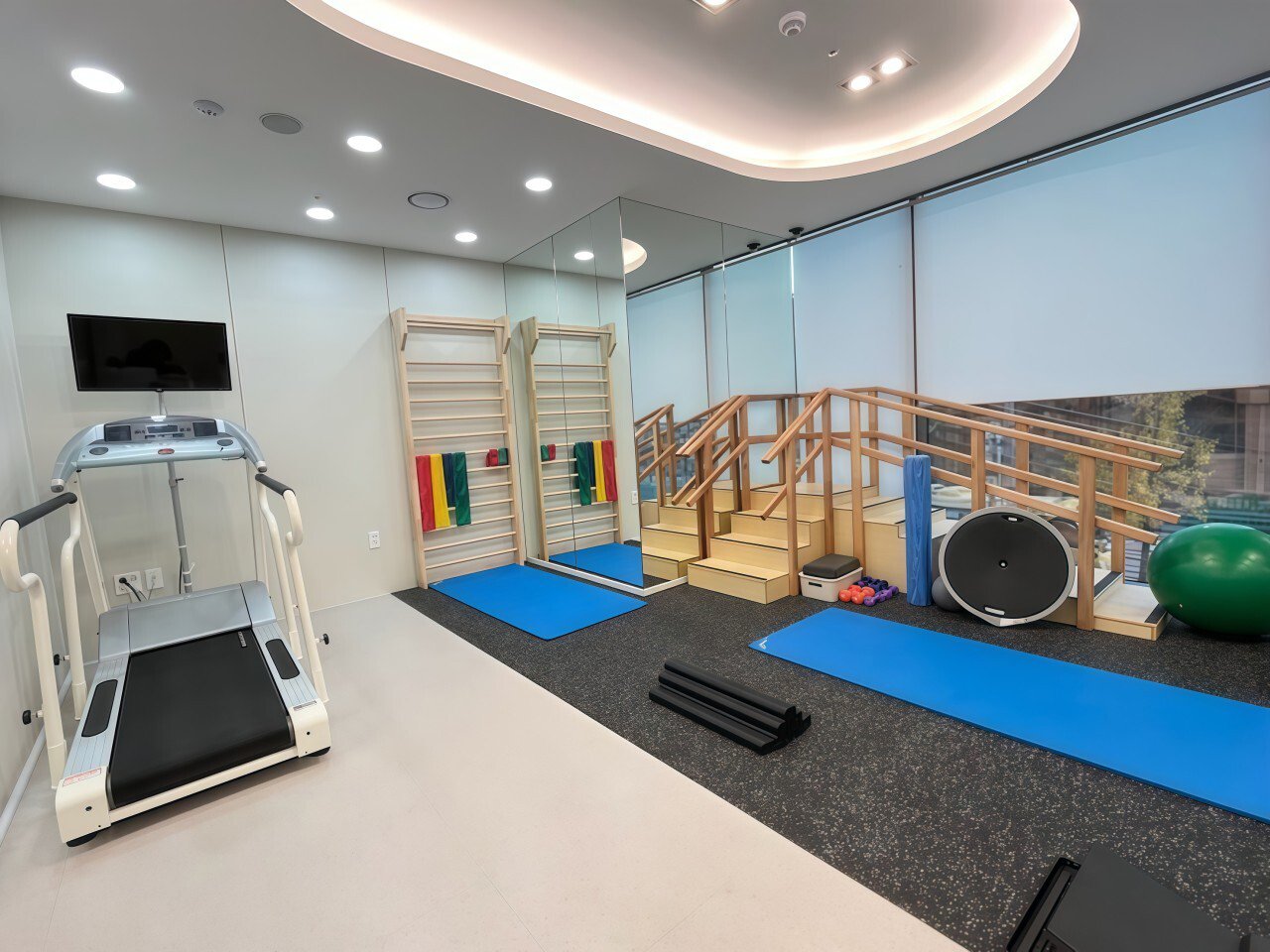
Seoul Gunwoo Orthopedic Surgery Clinic has operating rooms, inpatient rooms, CT, ultrasound, gait analysis, and rehabilitation in one building. These facilities support discussions about assessment, treatment, and recovery, although the services used depend on the care plan. The clinic also provides care for ankle ligament concerns, Achilles tendon concerns, heel pain, and plantar fasciitis. Mention any additional symptoms during consultation so the medical staff can consider them alongside your bunion concerns.
The clinic’s published surgical work also covers ankle ligament repair and reconstruction, Achilles tendon repair, ankle cartilage, ankle arthritis, and fractures. These areas are distinct from bunion care and should not be assumed to form part of a bunion treatment plan. If pain involves more than the big-toe joint, describe its location and timing. This information can help the medical staff decide what to examine and discuss.
| Facility or service | Available at Seoul Gunwoo Orthopedic Surgery Clinic |
|---|---|
| Imaging | CT and ultrasound |
| Movement assessment | Gait analysis |
| Treatment and recovery facilities | Operating rooms, inpatient rooms, and rehabilitation |
| Other foot and ankle care | Ankle ligament, Achilles tendon, heel pain, and plantar fasciitis care |
When discussing a care plan, ask which facilities or services are relevant to your situation and why. For example, an imaging discussion should explain what the medical staff needs to assess; a rehabilitation discussion should address the goals and instructions for your recovery. The presence of a facility does not mean every patient will need to use it. The most useful plan is one that connects each recommended step to an identified clinical need.
Bunion Surgery Reviews Seoul: Recovery and Visit Planning
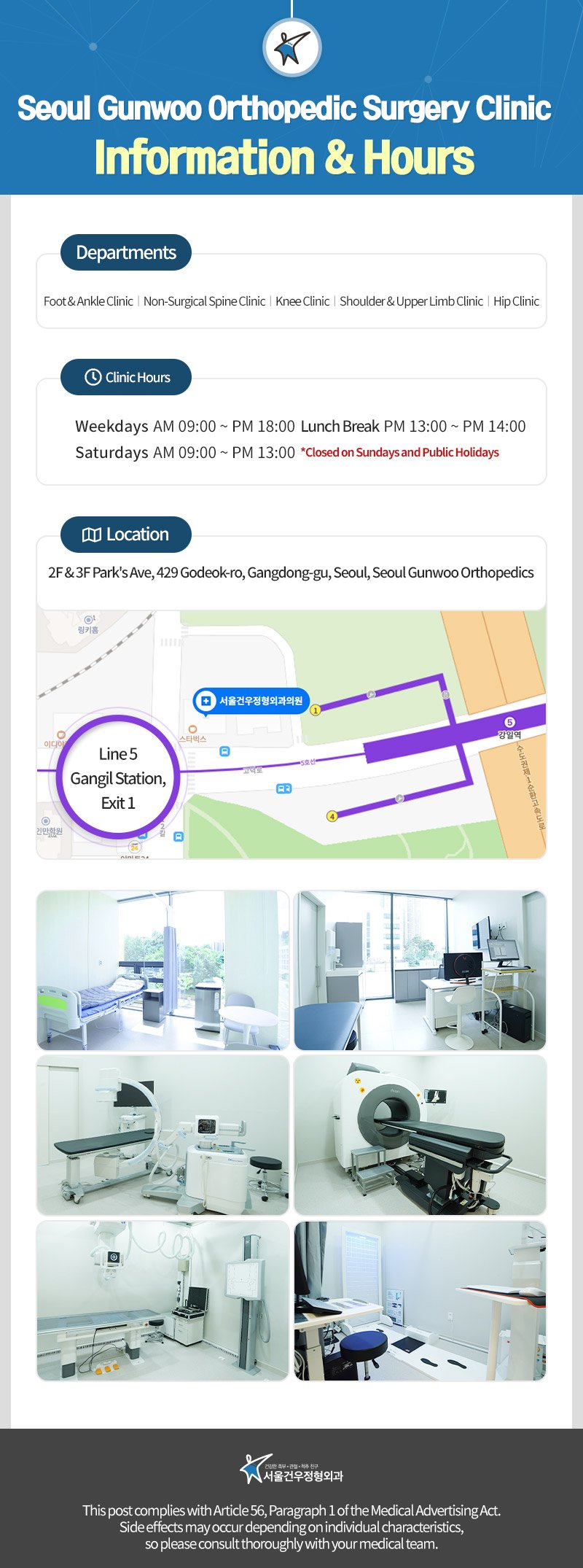
Practical planning is an important part of considering bunion care. If surgery is discussed, ask how the proposed procedure could affect walking, footwear, work, and follow-up appointments. Recovery instructions depend on the treatment and the individual, so online accounts should not replace advice from the attending doctor. Seoul Gunwoo Orthopedic Surgery Clinic offers consultation hours on weekdays and Saturdays, with the schedule outlined below.
Questions About Recovery
Before deciding on surgery, ask what to expect immediately afterward and how your activity may need to change. Useful questions include when and how to bear weight, what footwear or support may be needed, and when to return for follow-up. The attending doctor can give instructions appropriate to the proposed procedure. Follow the individual instructions provided by the medical staff rather than a recovery schedule taken from a review.
It is also worth discussing the demands of your everyday life. If your work involves standing or walking, explain that during the consultation. If you need to travel, care for someone at home, or manage stairs regularly, ask how those circumstances could affect planning. Rehabilitation may be part of a care plan when appropriate; ask what it would involve and how progress would be assessed. Recovery experiences differ, and changes may take time depending on individual condition. For that reason, a reviewer’s account of returning to activity is not a reliable schedule for someone else. Before leaving, make sure you understand the instructions for wound care, activity, medication, and follow-up if these apply to your treatment. Ask whom to contact if you are uncertain about a symptom or an instruction after the procedure.
Recovery planning is most useful when it reflects your procedure and daily responsibilities. Discuss mobility, follow-up, and any rehabilitation instructions with the medical staff before arranging your schedule.
Points to Consider Before Treatment
Any decision about surgery involves weighing potential benefits against risks and the practical demands of recovery. Ask how the proposed treatment is intended to address your symptoms and what complications are relevant to your case. Infection, stiffness, persistent discomfort, and recurrence are among the concerns that can be discussed in connection with bunion surgery. The attending doctor can explain how individual health factors affect the assessment and what to do if a concern arises.
It is equally important to clarify what treatment can and cannot reasonably address. If your goal is to wear a particular type of shoe, return to an activity, or reduce pain during work, say so explicitly. The medical staff can discuss those goals alongside the examination findings and proposed plan. Ask whether you will need assistance at home, how follow-up will be arranged, and what signs should prompt you to seek medical advice. If you are comparing options, consider the quality of the explanation and how well the plan fits your circumstances, rather than relying only on another person’s rating. Take the time needed to understand the recommendation before consenting to treatment. Costs can also be discussed during consultation, with the proposed care plan serving as the basis for that conversation.
Planning Your Visit
Seoul Gunwoo Orthopedic Surgery Clinic is located in front of Gangil Station, Exit 1. Consultation hours are available on weekdays and Saturdays, with a weekday lunch break. When arranging a visit, prepare a concise description of your symptoms and any questions about assessment or treatment. If you are considering surgery, include practical questions about recovery and follow-up so the discussion covers both medical and everyday considerations.
Before choosing an appointment time, review the consultation schedule and allow for the weekday lunch break. If you have relevant imaging or records from earlier care, consider bringing them to help the medical staff understand your history. The clinic’s website is seoulfoot.co.kr. A phone call can also help you discuss the next steps for arranging a consultation and ask what to bring.
| Day | Consultation hours |
|---|---|
| Monday–Friday | 9:00 a.m.–6:00 p.m.; lunch break 1:00–2:00 p.m. |
| Saturday | 9:00 a.m.–1:00 p.m. |
| Sunday and public holidays | Closed |
Use the visit to build an understanding of your own condition, not simply to seek confirmation of a plan you found online. A productive discussion should cover your symptoms, the findings of the assessment, and the reasons for any recommended next step. If a treatment is proposed, ask for clarification until you understand its purpose and the follow-up involved. That approach makes reviews a starting point for research rather than a substitute for individual medical advice.

Frequently Asked Questions
Q.What does Seoul Gunwoo Orthopedic Surgery Clinic offer for bunions?
A.Seoul Gunwoo Orthopedic Surgery Clinic provides orthopedic bunion care and has published surgical work covering bunions.
Q.Who might consider a bunion consultation?
A.A consultation can be useful for someone experiencing discomfort around the big-toe joint or difficulty with footwear or daily activities. The medical staff can assess the symptoms and discuss care options.
Q.What facilities are available for foot and ankle care?
A.Seoul Gunwoo Orthopedic Surgery Clinic has CT, ultrasound, gait analysis, operating rooms, inpatient rooms, and rehabilitation in one building. The medical staff can discuss which services are relevant to your care.
Q.What should I prepare before an appointment?
A.Bring a description of your symptoms, relevant medical records if available, and questions about treatment or recovery. You can also discuss the cost of the proposed care during consultation.
Q.Where is Seoul Gunwoo Orthopedic Surgery Clinic, and how can I contact it?
A.The clinic is at 2F–3F, 429 Godeok-ro, Gangdong-gu, Seoul, Republic of Korea, in front of Gangil Station Exit 1. Call 02-426-9876 to ask about arranging a consultation.
Clinic Information
| Clinic | Seoul Gunwoo Orthopedic Surgery Clinic |
|---|---|
| Specialty | Orthopedics |
| Address | 2F-3F, 429, Godeok-ro, Gangdong-gu, Seoul, Republic of Korea |
| Phone | 02-426-9876 |
| Website | https://seoulfoot.sillajewelry.com |
| Specialist | Specialist care |
 Seoul Gunwoo Orthopedic Surgery Clinic