
Bunion Surgery Patient Reviews Seoul: What to Look For
Patient reviews can help explain what a visit or recovery felt like, but they are only one part of a treatment decision. A bunion, also called hallux valgus, involves a change in the alignment of the big toe. Symptoms and treatment needs differ from person to person. A consultation is the place to discuss your symptoms, examination findings and treatment options. Seoul Gunwoo Orthopedic Surgery Clinic includes bunion correction among its published areas of surgical care.
Reading Reviews With Context
A useful review describes the circumstances behind a patient’s experience. Look for details about the concerns that led to consultation, the questions discussed and the practical aspects of care. A comment about recovery can be informative, but it does not establish how another person will recover. The type of procedure, the condition being treated and individual health factors can all affect the experience. Treat reviews as a way to identify questions, rather than as a prediction of your own result.
When comparing accounts, distinguish between comments about communication and claims about treatment outcomes. A patient’s description of how clearly options were explained may help you decide what to ask at a consultation. Reports about pain, footwear or returning to activity are personal experiences, not a standard timeline. It is also useful to consider whether a review explains what care was received: a consultation, an operation and rehabilitation are different stages. Ask the attending doctor how the information applies to your condition. That conversation can clarify which observations from reviews are relevant and which depend on circumstances unlike yours.
Patient experiences can help you prepare questions about communication, treatment and recovery. They cannot replace an assessment of your own foot and symptoms.
Symptoms Worth Discussing
A bunion can be noticeable as a prominence near the base of the big toe. Some people experience discomfort in shoes or pain around the affected joint, while others seek advice because of a change in toe position. When describing your concern, explain where it hurts, which activities aggravate it and whether footwear has become difficult to wear. These details give the medical staff context for an assessment and help focus the discussion on the problems that matter to you.
It can also help to describe how long you have noticed the change and what you have already tried. Bring up any questions about walking, exercise, work or daily footwear, rather than concentrating on appearance alone. The attending doctor can explain which findings are relevant and whether further assessment is appropriate. Having a bunion does not automatically mean that surgery is necessary. The decision depends on the individual situation and should be discussed after an examination. If you have other health conditions or take medication, share that information as well so the medical staff can consider it when discussing care.
Questions That Make Reviews More Useful
Before reading reviews, decide which practical questions you want answered. You might be interested in how a patient described the consultation, whether instructions were clear or how the person approached recovery. Pay attention to the difference between an account of what happened and a broad claim that a particular treatment will work for everyone. A specific experience can help you form a question for the clinic; it should not substitute for medical advice tailored to you.
At your appointment, ask the attending doctor to explain the purpose of any recommended assessment and how the findings affect your options. If surgery is discussed, ask what the procedure is intended to address and what preparation and follow-up would involve. Writing questions down beforehand can make the conversation easier to navigate. If you have read conflicting patient accounts, bring those concerns to the consultation and ask which details matter in your case.
| Topic | Question to consider |
|---|---|
| Symptoms | Which activities or shoes cause discomfort? |
| Assessment | What will the examination help clarify? |
| Treatment | What options are appropriate for my condition? |
| Recovery | What instructions would apply after treatment? |
These questions are a starting point, not a fixed checklist for every patient. Add concerns that reflect your circumstances, such as the demands of your job or the footwear you use most often. During the discussion, ask for clarification when a term or recommendation is unfamiliar. Understanding the reason for a recommendation can be more useful than comparing a single detail from one review with another.

Bunion Surgery Patient Reviews Seoul: Assessment and Treatment
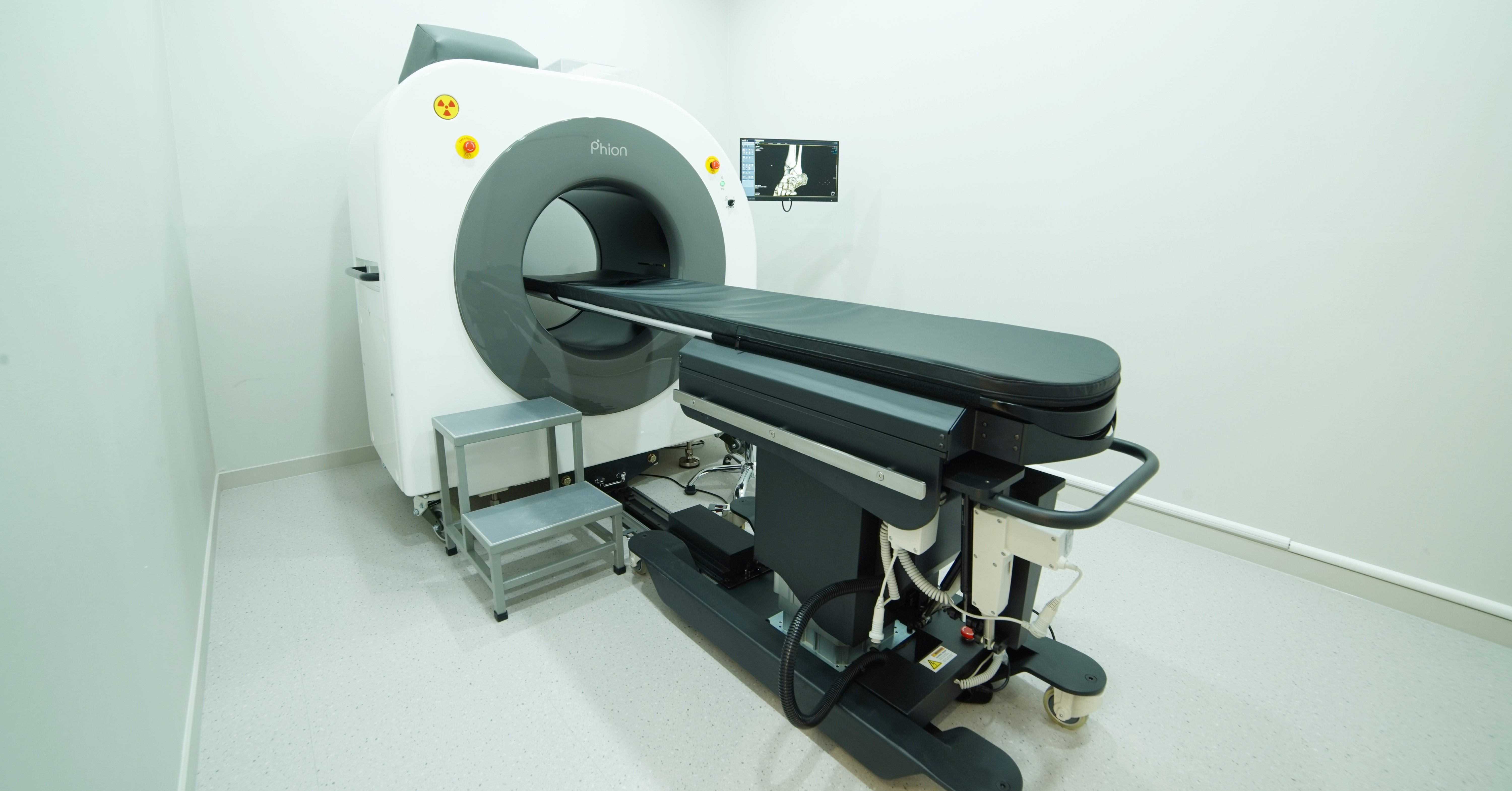
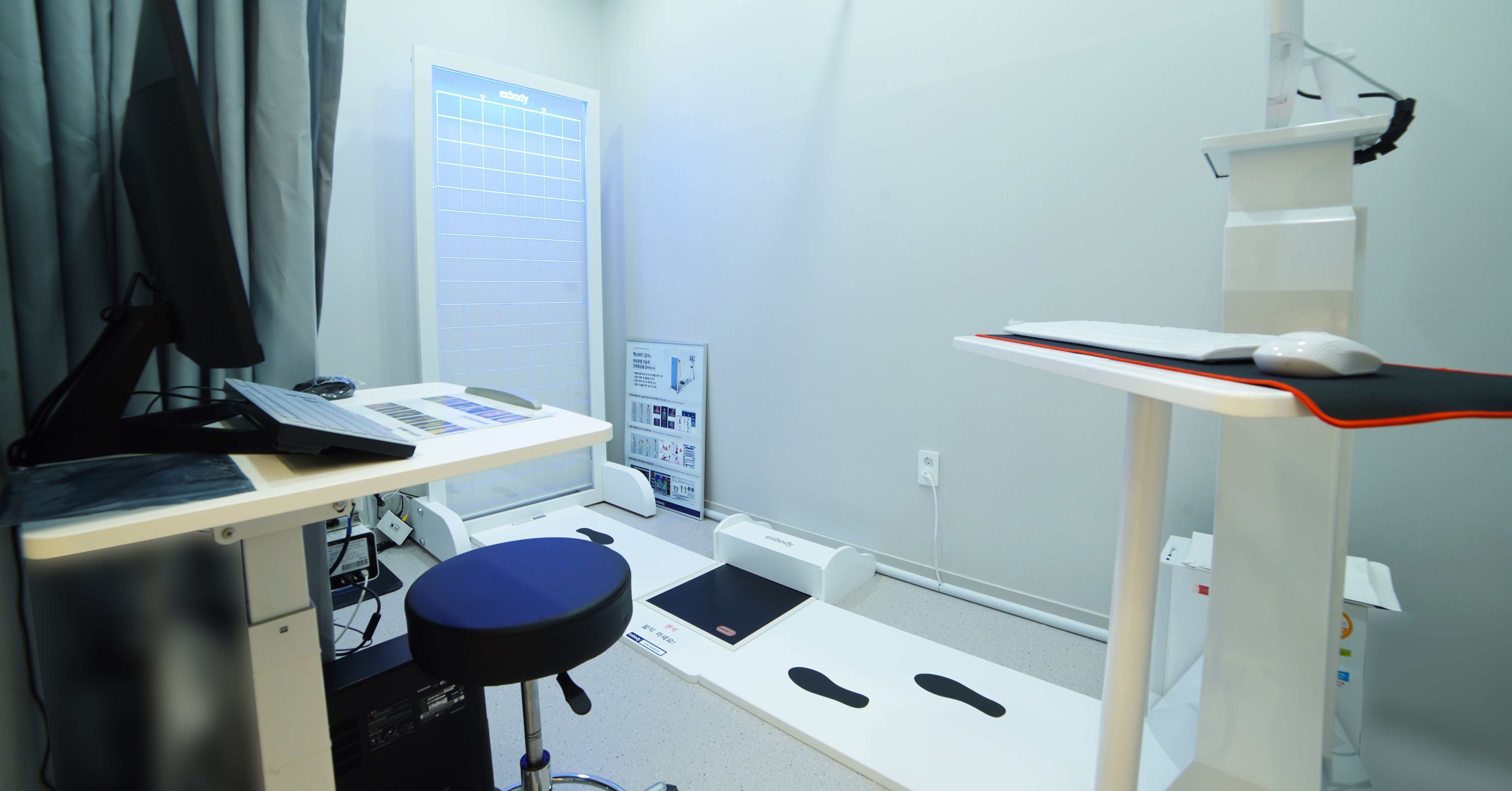
Seoul Gunwoo Orthopedic Surgery Clinic focuses on foot and ankle care, including bunion correction. An assessment provides an opportunity to discuss symptoms and examine the foot before deciding on a course of care. The clinic has CT, ultrasound and gait analysis facilities, as well as operating rooms, inpatient rooms and rehabilitation in one building. The attending doctor determines which assessments are appropriate; the availability of equipment does not mean every patient will need every test.
From Consultation to a Treatment Discussion
A consultation is an opportunity to explain your concerns and ask how the alignment of your toe relates to your symptoms. The medical staff can assess the foot and discuss the findings with you. Depending on the clinical situation, further assessment may be considered. Ask what each recommended step is intended to clarify and how it will contribute to the treatment discussion. This makes it easier to understand the reasoning behind a care plan.
Treatment discussions should reflect your symptoms, examination findings and goals. For someone whose main concern is discomfort in certain shoes, the conversation may begin with ways to address that difficulty. For someone with persistent symptoms, the attending doctor may discuss whether a surgical approach is appropriate. Bunion correction is among the clinic’s published surgical services, but a procedure should not be assumed before assessment. Ask about the intended purpose of any proposed treatment, the alternatives relevant to your case and the follow-up it would require. You can also ask how your medical history might affect the recommendation.
The presence of a bunion is a starting point for assessment, not a complete treatment plan. Understanding your symptoms and the examination findings helps guide a discussion of appropriate options.
Understanding the Clinic’s Facilities
Seoul Gunwoo Orthopedic Surgery Clinic has operating rooms and inpatient rooms, together with CT, ultrasound, gait analysis and rehabilitation in one building. These facilities support different aspects of foot and ankle care. Their presence is useful context when planning a visit, but the services used in an individual case depend on the attending doctor’s assessment and the care being discussed.
If an examination or test is recommended, ask what information it is expected to provide. Gait analysis, for example, concerns how a person walks; imaging can help clinicians assess structures that cannot be evaluated by looking at the foot alone. The attending doctor can explain whether a particular assessment is relevant to you. Likewise, if surgery is being considered, ask how the clinic plans follow-up and whether rehabilitation is recommended for your circumstances. Do not assume that every stage of care follows the same sequence for every patient. A clear explanation of the proposed plan matters more than a list of available facilities.
Other Foot and Ankle Concerns
The clinic’s published focus extends beyond bunions. It includes ankle ligament surgery, ankle fracture surgery, Achilles tendon repair, and care involving ankle cartilage and ankle arthritis. The clinic also describes care for heel pain and plantar fasciitis, including assessment, stretching, shockwave therapy and discussion of persistent symptoms. These services are separate from bunion correction; their relevance depends on the concern being assessed.
If you have pain in more than one area, explain each concern during the consultation. Describe where the symptoms occur and whether they arise together or during different activities. This can help the medical staff understand what you are experiencing without assuming that every symptom has the same cause. Ask which concern should be assessed first and whether any additional evaluation is appropriate.
| Published area of care | Examples |
|---|---|
| Bunion care | Bunion correction |
| Ankle care | Ligament repair and reconstruction; fracture surgery |
| Achilles tendon care | Achilles tendon repair |
| Heel pain and plantar fasciitis | Assessment, stretching and shockwave therapy |
A description of the clinic’s services helps you identify the right topic to raise, but it does not establish which treatment you need. Be specific about the symptoms that prompted your visit and any care you have already received. If you are unsure whether your concern relates to a bunion or another part of the foot or ankle, say so. The assessment is intended to help clarify the issue and inform the next steps.
Bunion Surgery Patient Reviews Seoul: Planning for Care
Planning involves more than choosing a clinic based on a favorable account. Consider what you need to know before consultation, what questions you would ask if surgery is recommended and how follow-up might fit into your daily life. Recovery experiences differ, and changes may take time depending on individual condition. Ask the attending doctor for instructions tailored to your procedure and circumstances rather than relying on another patient’s timeline.
Preparing for Your Appointment
Before your visit, make a short record of your symptoms and the activities or footwear that affect them. Bring a list of medications and relevant medical information, along with questions about assessment and treatment. If communication in English or interpretation is important to you, contact Seoul Gunwoo Orthopedic Surgery Clinic before booking to confirm what support will be available. An English website alone does not establish that an English-speaking clinician or interpreter will be present.
Think about the outcome you hope to discuss, whether that means addressing pain, walking more comfortably or understanding a change in your toe position. Be ready to explain how the concern affects your routine and what you have already done to manage it. If you are considering surgery, ask what would make it appropriate in your situation and what preparation would be required. You can also ask about costs and scheduling during the consultation. Clear expectations begin with a specific discussion of your own needs, including any work, travel or family responsibilities that could affect your plans.
A well-prepared consultation focuses on your symptoms, goals and practical circumstances. Confirm communication arrangements before booking and ask for an individualized explanation of any proposed care.
Points to Consider Before Treatment
If surgery is recommended, discuss its intended benefits alongside the considerations that matter to you. Ask the attending doctor about relevant risks, the expected course of recovery and the instructions you would need to follow. Every surgical decision involves weighing potential benefits against the demands and risks of treatment. The discussion should be specific to your condition and the proposed procedure, rather than based on a general promise of improvement.
Ask how pain management, wound care, footwear and activity would be addressed after the procedure, and when the clinic would want to review your progress. The answers depend on the treatment plan and your individual condition. If rehabilitation is recommended, ask what it is intended to support and how it would fit into follow-up. It is also reasonable to ask what signs or concerns should prompt you to contact the clinic after treatment. Make sure you understand the instructions before deciding how to arrange time away from work or other activities. Patient reviews may describe these stages, but your own care plan is the more relevant guide.
Using Patient Experiences Responsibly
Reviews can be most helpful when read alongside a direct conversation with the medical staff. A patient may describe feeling well informed or explain a challenge encountered during recovery, giving you ideas for questions. That account cannot verify whether the same procedure, instructions or outcome would apply to you. Look for context, avoid relying on a single comment and bring unresolved concerns to your appointment.
A considered decision also leaves room for questions after the initial explanation. Ask the attending doctor to clarify unfamiliar terms and explain what would happen at each stage of the proposed plan. If you need time to think about a recommendation, use that time to review your questions and practical arrangements. The aim is to understand both the reason for treatment and the responsibilities involved in follow-up.
Seoul Gunwoo Orthopedic Surgery Clinic’s foot and ankle focus and facilities provide context for a consultation about bunion care. Your symptoms, assessment and preferences remain central to the discussion. Whether you are exploring options or preparing questions about a proposed procedure, use patient experiences as background and seek advice that addresses your own circumstances.

Frequently Asked Questions
Q.What kind of care does Seoul Gunwoo Orthopedic Surgery Clinic offer?
A.Seoul Gunwoo Orthopedic Surgery Clinic focuses on foot and ankle care, including bunion care and correction. Its facilities include operating rooms, inpatient rooms, CT, ultrasound, gait analysis and rehabilitation in one building.
Q.Who might consider a consultation for a bunion?
A.A consultation may be useful if you have concerns about a change in big-toe alignment, discomfort or difficulty with footwear. The attending doctor can assess your concerns and discuss appropriate options.
Q.Does the clinic provide surgical care for bunions?
A.Yes. Bunion correction is among the clinic’s published surgical services; whether surgery is appropriate depends on an individual assessment.
Q.What should I prepare before a visit?
A.Bring information about your symptoms, medications and relevant medical history, along with questions about treatment. If you need language support or interpretation, contact the clinic before booking to confirm availability.
Q.Where is Seoul Gunwoo Orthopedic Surgery Clinic, and how can I contact it?
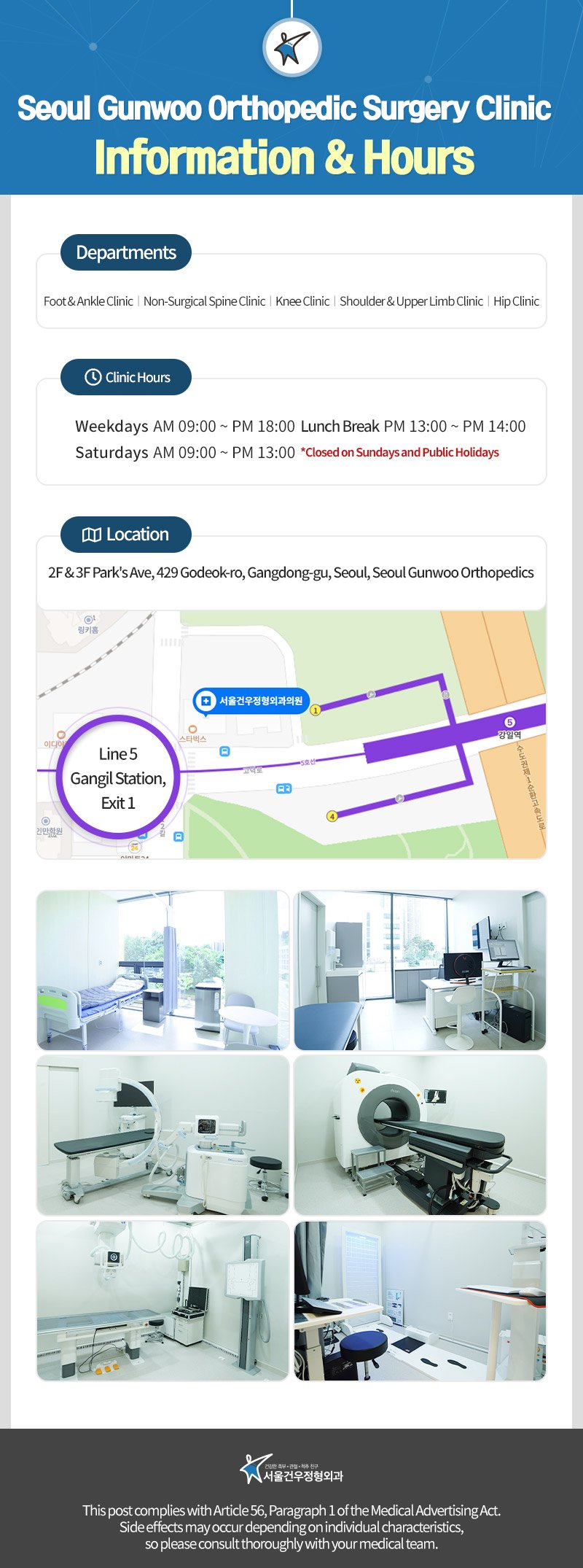
A.The clinic is at 2F-3F, 429, Godeok-ro, Gangdong-gu, Seoul, Republic of Korea, in front of Gangil Station Exit 1. Call 02-426-9876 to contact the clinic.
Clinic Information
| Clinic | Seoul Gunwoo Orthopedic Surgery Clinic |
|---|---|
| Specialty | Orthopedics |
| Address | 2F-3F, 429, Godeok-ro, Gangdong-gu, Seoul, Republic of Korea |
| Phone | 02-426-9876 |
| Website | https://seoulfoot.sillajewelry.com |
| Specialist | Specialist care |
 Seoul Gunwoo Orthopedic Surgery Clinic