
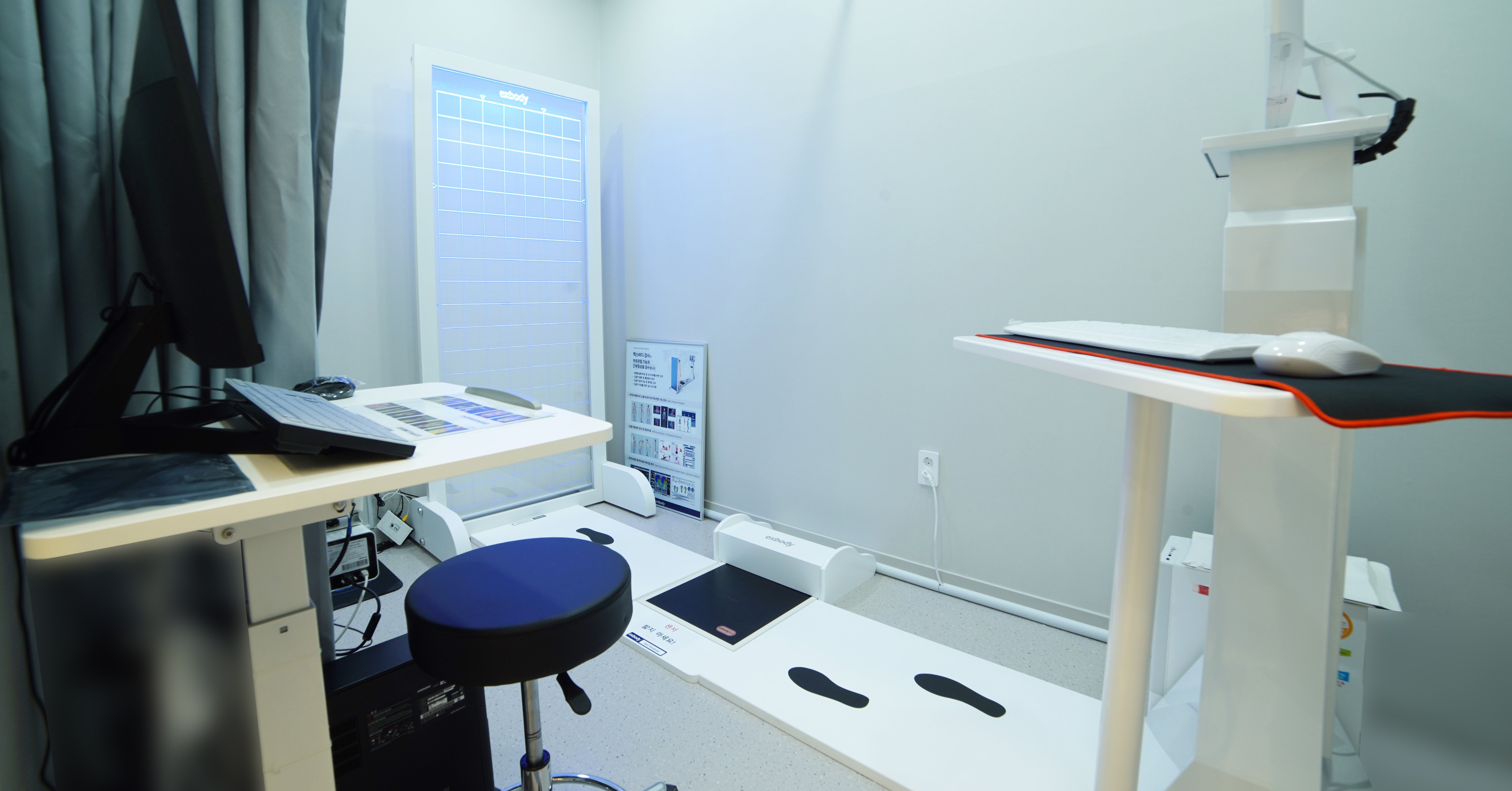
Choosing a Bunion Treatment Hospital in Seoul
A bunion is a change in the alignment around the base of the big toe. When seeking care, consider how the clinic approaches assessment and treatment planning, rather than relying on a single factor such as location. Seoul Gunwoo Orthopedic Surgery Clinic is an orthopedic clinic in Gangdong-gu, Seoul. During a consultation, explain what you have noticed and what you hope to address. A useful first step is a clear conversation about your symptoms, daily activities, and care priorities. This gives the medical staff context for discussing appropriate next steps.
Look for an orthopedic setting
Orthopedic care focuses on the musculoskeletal system, including bones and joints. If you are seeking help for a bunion, an orthopedic clinic is a relevant setting in which to raise questions about the foot and toe alignment. The clinic category alone does not determine what care is right for an individual, so use the consultation to describe your situation and ask what assessment is appropriate. Choose care based on a clinical discussion, not on a promise of a particular result.
Before arranging a visit, make a short note of the changes you have observed and how they affect everyday activities. For example, you might describe when discomfort occurs, whether particular shoes feel difficult to wear, or whether the toe’s appearance has changed. These details can help structure the discussion, but they do not replace an examination. At Seoul Gunwoo Orthopedic Surgery Clinic, you can raise these concerns with the medical staff and ask what information will help guide an assessment. Keep your expectations open: the next step depends on your individual condition and the findings during care. Specific questions are often more useful than trying to self-diagnose.
For bunion concerns, the right starting point is an orthopedic discussion grounded in your symptoms and priorities. A clinic’s setting matters, but an individualized assessment is what helps clarify the next step.
Consider access and communication
Practical access can make it easier to attend a consultation and follow the care plan discussed. Check whether the clinic’s location works for your routine, and contact the clinic if you need to ask about arranging a visit. Seoul Gunwoo Orthopedic Surgery Clinic is located in Gangdong-gu, Seoul. Think as well about how comfortably you can explain your concerns and ask follow-up questions. A clear exchange helps you understand what has been assessed and what decisions remain.
Before your appointment, consider what you need from the conversation. You may want to understand the possible reasons for your symptoms, what information the medical staff uses to assess the foot, or what options may be considered. You can also ask how to seek clarification if questions arise after the visit. There is no need to arrive with a preferred procedure in mind; a discussion should begin with your concerns and the clinical assessment. If you have previous evaluations or relevant health information, ask whether bringing them would be helpful. Good communication supports informed decisions without implying a guaranteed outcome.
Set realistic expectations for planning
Bunion care is not a one-size-fits-all decision. The appropriate approach depends on individual findings and the concerns brought to the consultation. It is reasonable to ask how the medical staff will explain the assessment, what choices may be relevant, and how to weigh them against your daily needs. Look for a plan you understand, with room to discuss questions and personal priorities. Changes in symptoms or appearance may take time depending on individual condition.
Rather than selecting care based on general claims, focus on the decision-making process. Ask what the assessment indicates and which factors influence the recommended approach. If a treatment option is discussed, clarify its purpose, what it involves, and what follow-up may be needed. You can also discuss work, movement, footwear, and other daily routines that matter to you. These details help keep the conversation practical. A responsible consultation does not promise identical outcomes for everyone; it explains the reasoning behind a plan and allows you to consider whether it fits your situation.
Keep your questions concise and prioritize the ones that affect your decision most. It may help to write down the answers, especially if you are comparing different care options or need time to consider a recommendation. If something is unclear, ask for it to be explained in plain language. A useful consultation should leave you with a better understanding of your condition and the next steps discussed, rather than pressure to decide immediately. Informed choices begin with a clear explanation, not an assumed result.
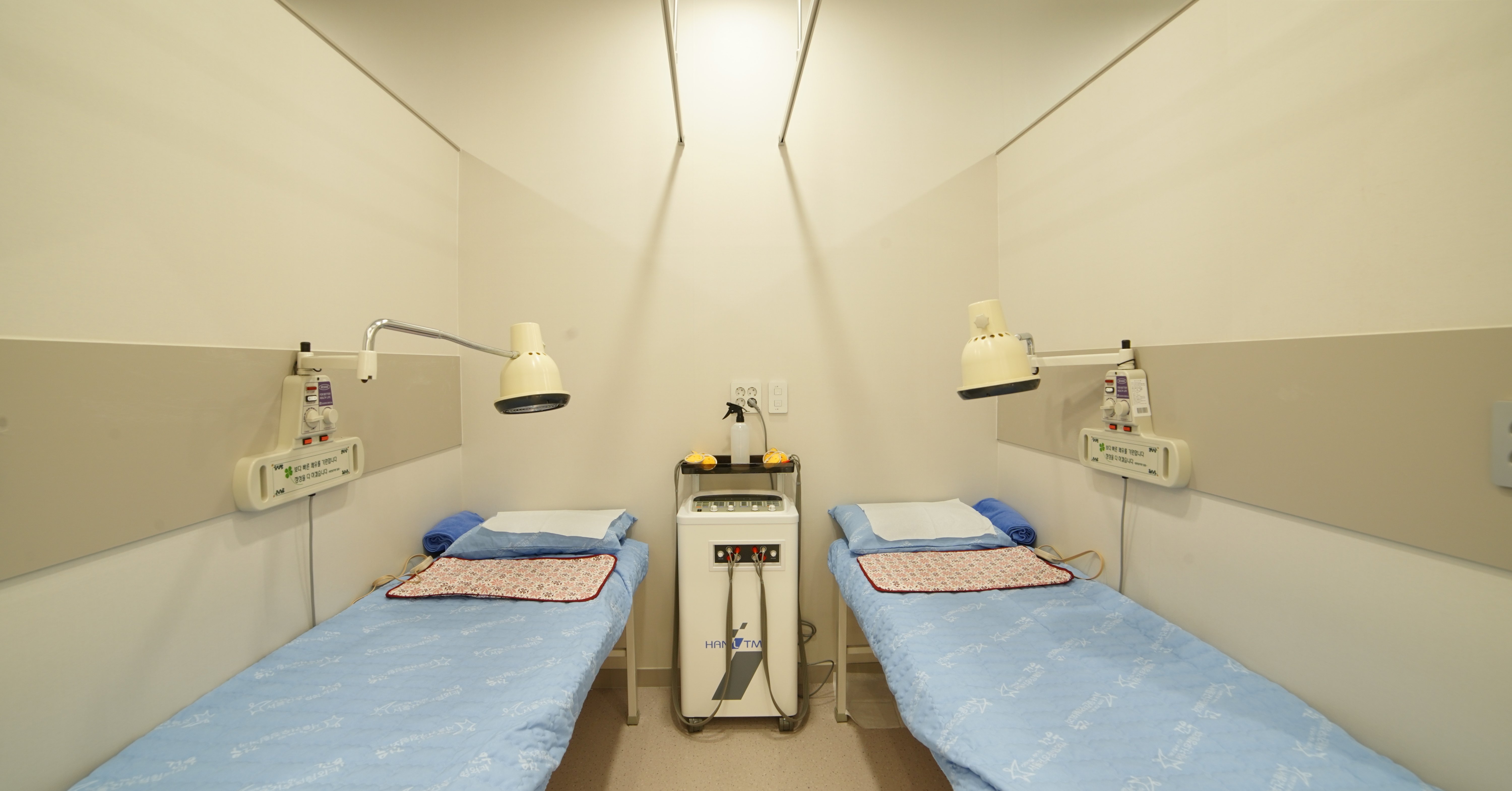
Preparing for a Bunion Treatment Hospital in Seoul
Preparation can make an orthopedic consultation more focused. Think about when you first noticed the bunion concern, whether anything has changed, and how it affects activities or footwear. Bring questions you want answered and any relevant information you already have. Seoul Gunwoo Orthopedic Surgery Clinic is an orthopedic clinic, and you can contact the clinic to ask about arranging a visit. Clear notes help you communicate your experience; the medical staff can then discuss what assessment is appropriate. Avoid treating online descriptions as a substitute for individual evaluation.
Describe symptoms and daily impact
Be specific about what you experience and when it occurs. You can note discomfort, visible changes, or difficulties with routine activities, if these apply to you. Consider whether the issue feels different at different times or in different footwear. These observations provide useful context but do not establish a diagnosis on their own. Describe what is happening in your own words rather than relying on a label you found online.
A short timeline can help you explain the concern efficiently. Record when you first noticed it, whether it has changed, and what activities seem affected. Mention relevant health information when the medical staff asks, and clarify any detail you are unsure about rather than guessing. If you have already had an assessment or have information related to the foot, ask whether it would be useful to bring. The purpose is to give the clinician a clear account of your experience, not to arrive with a conclusion about what treatment you need. Assessment and next steps should be discussed in light of your individual circumstances.
A focused appointment starts with an accurate account of what you have noticed and how it affects daily life. Notes and questions can support the discussion, while the assessment determines what should be considered next.
Ask practical questions about care
Use the consultation to understand the reasoning behind any recommendations. You might ask what the assessment found, what options are appropriate to discuss, and what each option is intended to address. If you are uncertain about a term or instruction, ask for a plain-language explanation. Understanding the purpose of a recommendation is part of making an informed decision. The medical staff can address questions in the context of your individual evaluation.
It is also reasonable to ask what follow-up or practical considerations may apply if a care plan is proposed. The details depend on the assessment and the approach discussed, so avoid assuming that another person’s experience will predict yours. Explain the activities and responsibilities you need to plan around, then ask how they relate to the options under consideration. If you need time to think, you can ask what information would help you decide. The goal is a conversation that gives you a clear basis for understanding the plan, not a fixed promise about timing or outcome.
Prepare for a useful visit
Before contacting the clinic, write down your main concern and the questions you want answered. Have any relevant health information or prior assessment details available if they apply, and ask whether these would be useful to bring. Wear clothing that allows you to discuss the foot comfortably if an examination is part of the visit. These simple steps help keep the conversation organized without requiring you to make assumptions about the assessment.
When arranging an appointment, confirm the details directly with Seoul Gunwoo Orthopedic Surgery Clinic. You can also ask what to expect at the visit and whether any preparation is recommended for your situation. Do not delay asking about a concern because you are unsure which treatment might be suitable; identifying that is part of the clinical discussion. Arrive ready to describe your experience and leave space for questions that emerge during the consultation.
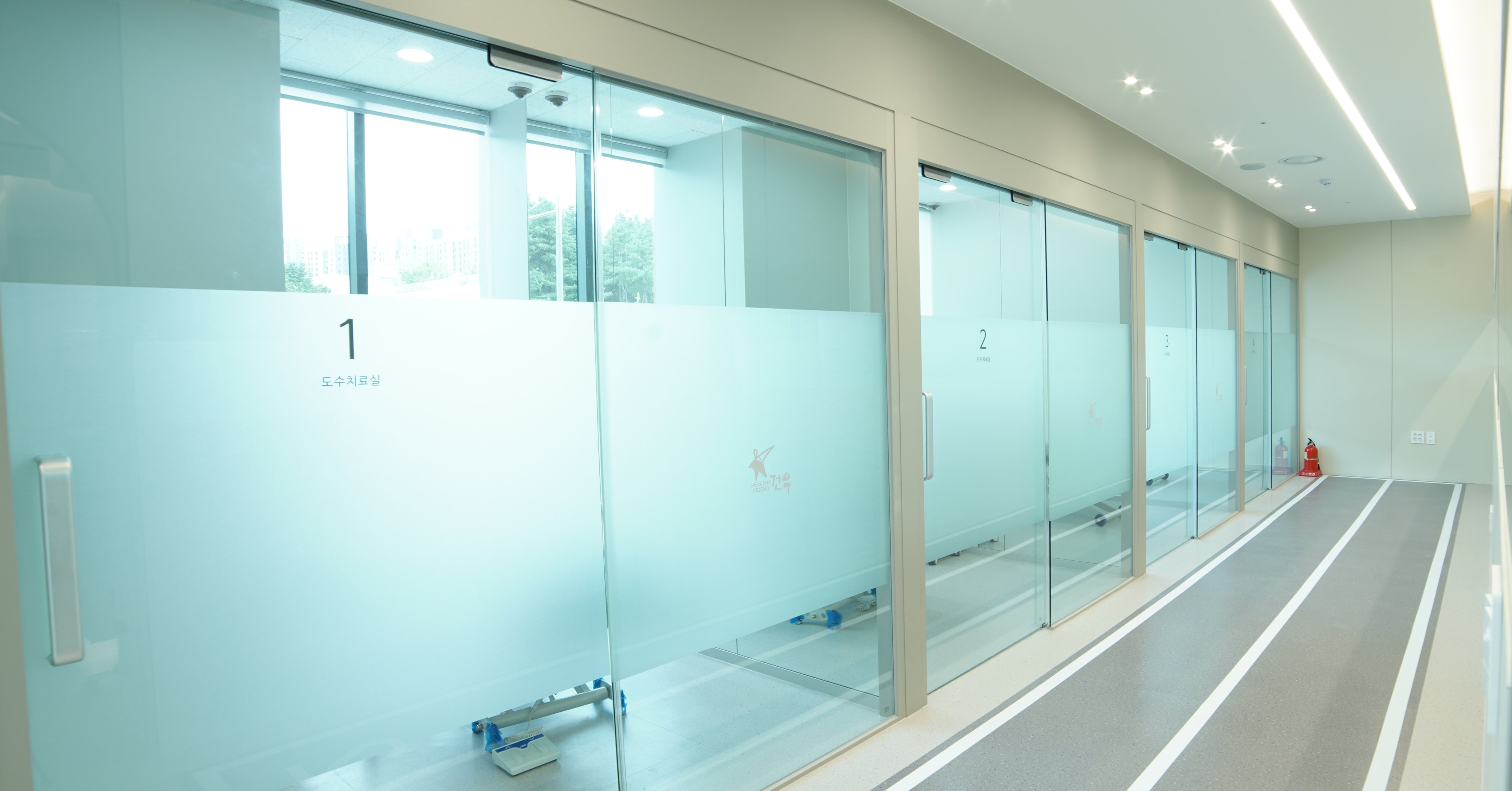
Planning Care at a Bunion Treatment Hospital in Seoul
After an initial discussion, the next step is to understand the assessment and consider the options presented for your circumstances. Ask how the recommendation relates to your concerns and what practical points you should consider before deciding. Seoul Gunwoo Orthopedic Surgery Clinic provides orthopedic care in Seoul; discuss your bunion concerns with the medical staff to understand what is appropriate for you. Care decisions should reflect individual findings rather than a generic promise or a procedure chosen in advance.
Understand how recommendations are made
A care recommendation should be connected to the information gathered during assessment and to the concerns you have described. Ask what factors influenced the discussion and whether there are choices to consider. If a recommendation is not clear, request a simpler explanation or ask which part of your situation it is intended to address. You should be able to understand the reasoning before deciding how to proceed.
People often arrive with questions shaped by online descriptions, but general information cannot account for an individual examination. Use it as a starting point for questions rather than as a basis for deciding on a treatment. If the medical staff discusses an option, ask what it involves and what considerations are relevant to your health and daily life. You may also ask what follow-up the plan entails. The details should be explained in the context of your assessment. A measured decision gives you room to weigh the information and raise concerns, without assuming that one approach suits everyone.
Recommendations make sense when they are explained in relation to an individual assessment and the person’s priorities. Ask about the reasoning, practical considerations, and follow-up before deciding how to proceed.
Weigh options against your daily needs
When considering a care plan, think about how it relates to your regular activities, footwear, and personal priorities. Ask the medical staff to explain the considerations associated with each option discussed. Your own circumstances matter, and the plan should be understood in that context. Do not judge a treatment solely by a general description; discuss how it applies to your assessment.
If more than one approach is presented, ask how the options differ in purpose and what factors guide the choice. You can raise concerns about comfort, mobility, work, or other routines that influence your decision. When an option is not suitable or its purpose is unclear, ask the medical staff to explain why. It is also reasonable to ask how progress will be discussed at follow-up, if follow-up is part of the plan. Decisions are more informed when you understand the trade-offs and know which questions remain open. Individual results and care needs differ, so avoid comparing your expected course directly with someone else’s experience.
Keep communication clear after the consultation
After the visit, review the information you received and note any questions that remain. If instructions or the next step are unclear, contact the clinic to ask for clarification. Keep track of changes you notice and share relevant updates during follow-up discussions. A simple record can help you describe your experience consistently.
It can be helpful to separate confirmed recommendations from questions you still need answered. This prevents general information or assumptions from being mistaken for an individual plan. If you are considering a recommendation, make sure you understand its purpose and what practical considerations were discussed. Contact Seoul Gunwoo Orthopedic Surgery Clinic if you need to ask about the consultation or your next steps. The medical staff can address questions in the context of the care discussed with you. Clear communication supports continuity without replacing an in-person assessment or guaranteeing a particular result.
Approach bunion care as a process of assessment, discussion, and informed decision-making. The right questions are those that clarify your condition, the options considered, and how the plan relates to your daily needs. Keep your notes and ask for explanations whenever necessary. A considered conversation with an orthopedic care provider is a practical foundation for deciding what to do next.

Frequently Asked Questions
Q.What kind of clinic is Seoul Gunwoo Orthopedic Surgery Clinic?
A.Seoul Gunwoo Orthopedic Surgery Clinic is an orthopedic clinic in Gangdong-gu, Seoul. You can contact the clinic to discuss your orthopedic care concerns.
Q.Who can contact Seoul Gunwoo Orthopedic Surgery Clinic about bunion concerns?
A.People seeking orthopedic care for bunion concerns can contact the clinic to ask about arranging a visit. The medical staff can discuss the appropriate next step in the context of an assessment.
Q.How can I discuss bunion care at Seoul Gunwoo Orthopedic Surgery Clinic?
A.Contact the clinic to arrange a visit and explain your concerns to the medical staff. The assessment and discussion can help clarify what next steps are appropriate for your circumstances.
Q.What should I prepare before visiting Seoul Gunwoo Orthopedic Surgery Clinic?
A.Write down your main concerns and questions, and have relevant health information or prior assessment details available if they apply. You can ask the clinic whether anything else would be useful to bring.
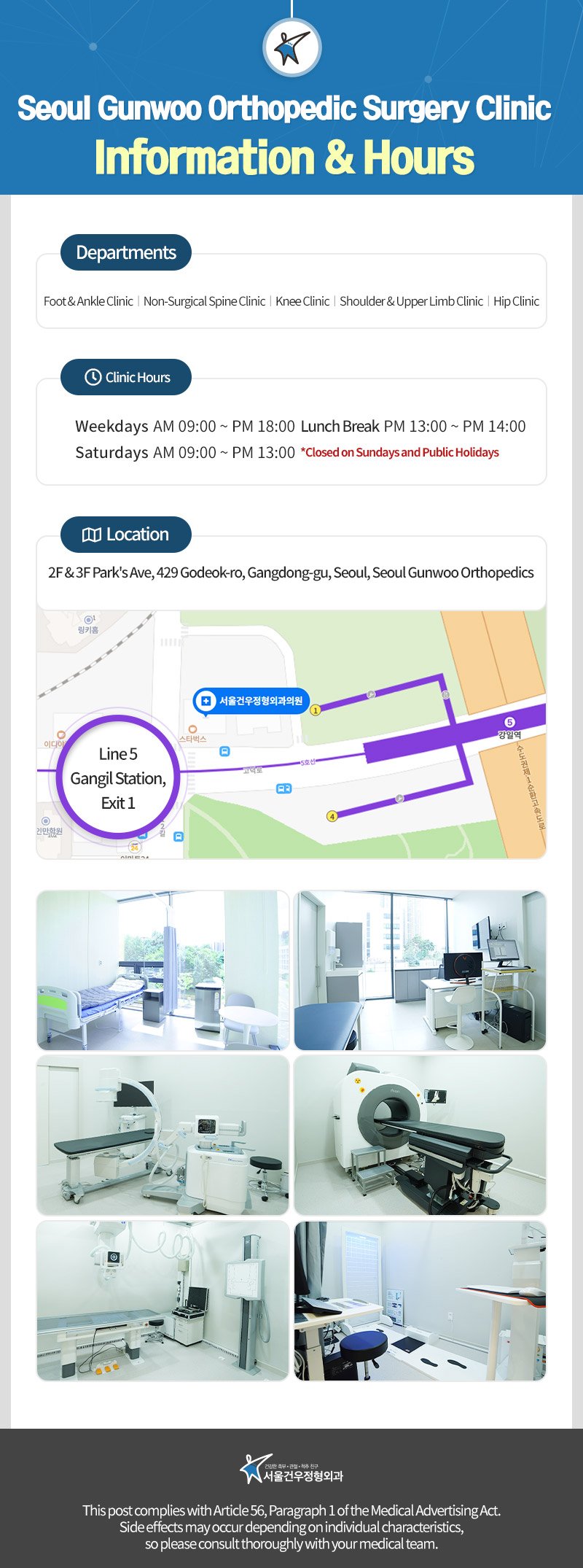
Q.Where is Seoul Gunwoo Orthopedic Surgery Clinic, and how can I contact it?
A.Seoul Gunwoo Orthopedic Surgery Clinic is at 2F-3F, 429, Godeok-ro, Gangdong-gu, Seoul, Republic of Korea. Call 02-426-9876 to contact the clinic.
Clinic Information
| Clinic | Seoul Gunwoo Orthopedic Surgery Clinic |
|---|---|
| Specialty | Orthopedics |
| Address | 2F-3F, 429, Godeok-ro, Gangdong-gu, Seoul, Republic of Korea |
| Phone | 02-426-9876 |
| Website | https://seoulfoot.sillajewelry.com |
| Specialist | Specialist care |
 Seoul Gunwoo Orthopedic Surgery Clinic