
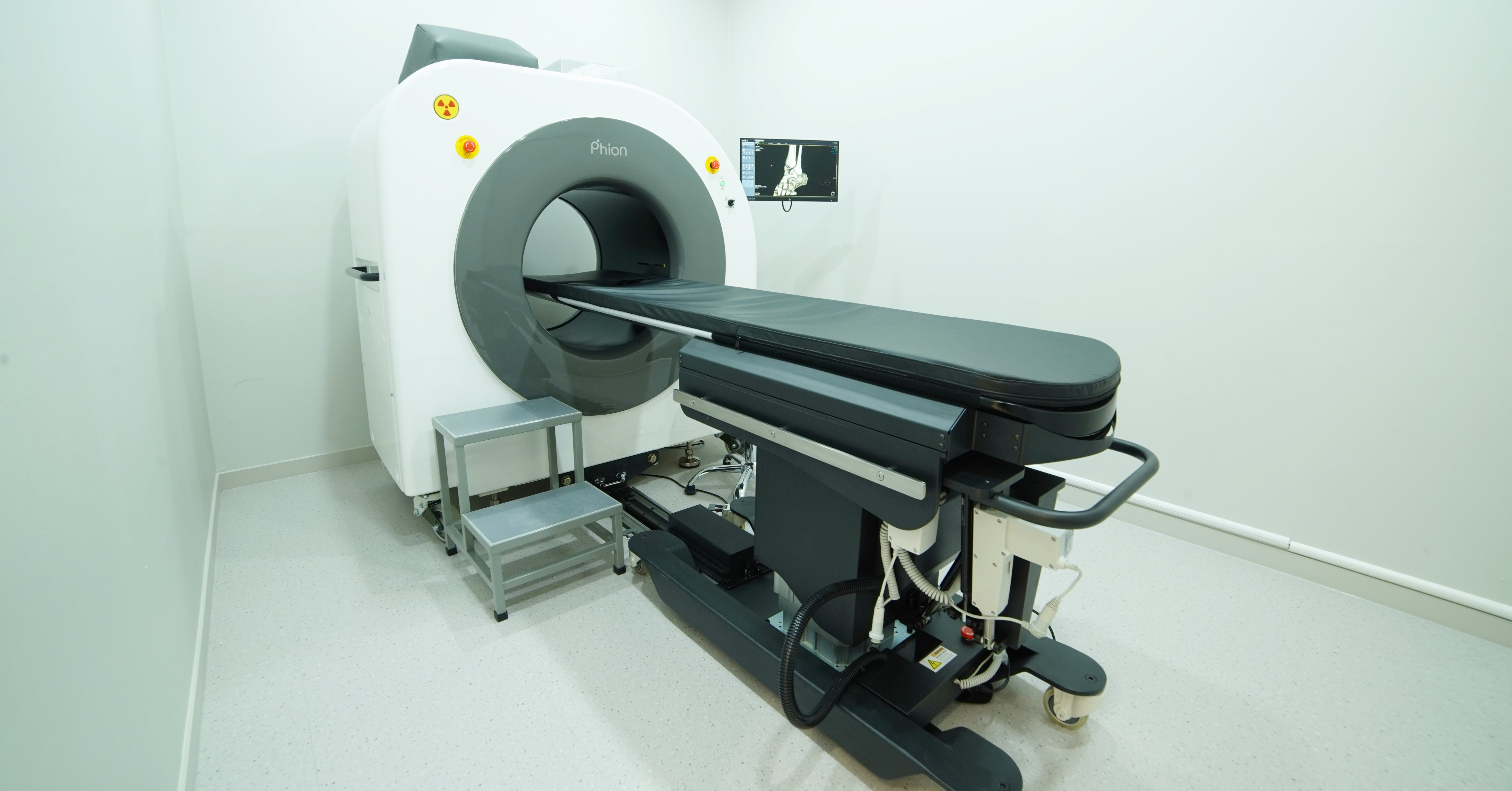
Best hospital for bunion surgery in Seoul: What to Look For
Choosing care for a bunion starts with understanding your symptoms and the treatment options that fit your circumstances. Seoul Gunwoo Orthopedic Surgery Clinic focuses on foot and ankle conditions, including bunion correction. Rather than selecting a clinic on the basis of a search ranking alone, consider its clinical focus and use the consultation to discuss your symptoms, daily activities, and expectations. The right treatment decision depends on an individual assessment, not simply on the appearance of a bunion.
Understanding bunions and their symptoms
A bunion, also called hallux valgus, involves a change in the alignment of the big toe and the joint at its base. The resulting prominence can rub against footwear or make some shoes uncomfortable. Symptoms differ from person to person: some people notice pain or pressure, while others are more concerned about changes in toe position or difficulty finding comfortable shoes. The appearance of the joint alone does not establish how much treatment a person needs.
When preparing for an appointment, note where discomfort occurs and what seems to bring it on. For example, pain may be most noticeable in a narrow shoe, after a period of walking, or when pressure is placed on the joint. Mention whether symptoms interfere with work, exercise, or everyday tasks. It is also useful to describe how long you have noticed the change and whether your usual footwear has become difficult to wear. These details give the attending doctor context for a discussion of your concerns. Be clear about what matters most to you, whether that is reducing discomfort, walking more comfortably, or understanding whether the toe position needs treatment. The consultation is an opportunity to connect those goals with an examination and a realistic plan.
A bunion assessment should consider symptoms and daily function as well as toe alignment. Bring a clear description of when discomfort occurs so the discussion can focus on your needs.
Considering the clinic’s foot and ankle focus
Seoul Gunwoo Orthopedic Surgery Clinic’s published areas of care include bunions, ankle ligament problems, Achilles tendon conditions, ankle fractures, ankle cartilage, and ankle arthritis. This focus provides useful context for someone seeking an orthopedic assessment of a foot or ankle concern. Bunion correction is among the clinic’s published surgical areas, but an individual consultation is needed to determine whether an operation is appropriate for a particular person.
The medical staff includes Dr. Choi Hong Joon, whose background includes clinical practice and research in foot and ankle medicine, and Dr. Min Kyong Dae, an orthopedic specialist whose training includes arthroscopy and sports medicine. When arranging a visit, you can ask how your appointment will be organized and discuss the concerns you want the attending doctor to address. A useful consultation should leave you with an understanding of the proposed next step and its purpose. If treatment is recommended, ask how it relates to your symptoms rather than assuming that a visible change in the foot automatically calls for surgery. You can also ask what information the medical staff needs to distinguish your main source of discomfort from other foot or ankle concerns.
Comparing care without relying on rankings
A search for a highly rated hospital can be a starting point, but a ranking cannot tell you whether a particular treatment is suitable. Look instead for a clear explanation of the clinic’s area of care, the proposed assessment, and the choices available after that assessment. During the appointment, ask what findings are relevant to your case and what each proposed step is intended to address. This gives you a more practical basis for deciding how to proceed.
It is also reasonable to ask about communication and logistics before booking. If you need an English-speaking clinician or an interpreter, contact Seoul Gunwoo Orthopedic Surgery Clinic to check availability. An English-language website alone does not establish that language support will be available during an appointment. Thinking about communication in advance can help you explain symptoms accurately and understand the treatment discussion.
Use the consultation to ask for an explanation you understand, including the purpose of any recommendation and what you should consider before making a decision. You do not need to arrive knowing which procedure you want. A concise description of your symptoms, previous care, and practical concerns is a useful starting point for a conversation with the medical staff.
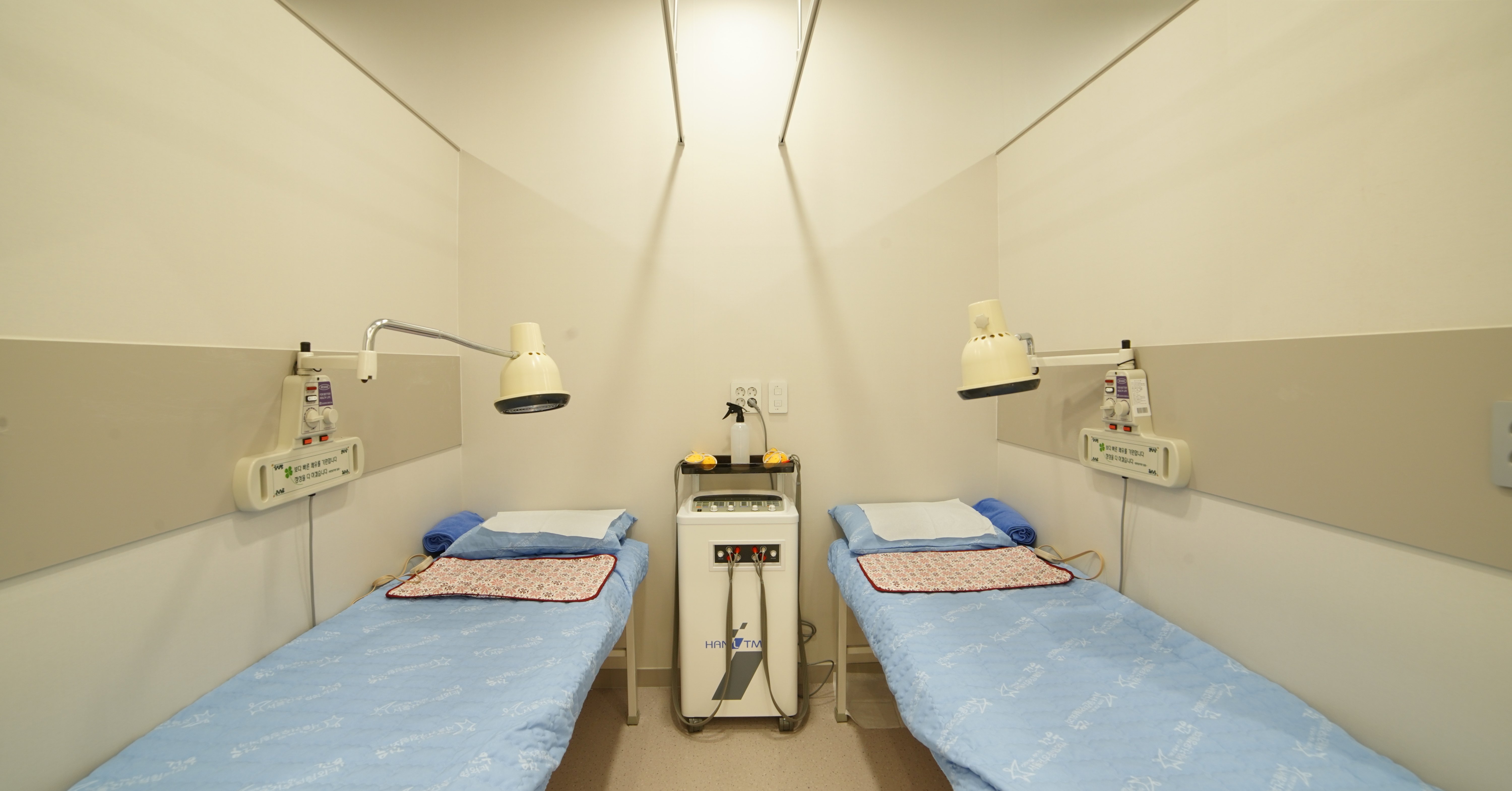
Best hospital for bunion surgery in Seoul: Understanding Treatment
Bunion care is not limited to deciding whether to operate. The first step is to discuss the condition, the discomfort it causes, and how it affects daily life. Depending on the assessment, the attending doctor can explain whether nonsurgical measures or a surgical discussion are appropriate. Seoul Gunwoo Orthopedic Surgery Clinic includes bunion correction in its published surgical work. A recommendation should be made in the context of your symptoms and examination.
Starting with an orthopedic assessment
During an assessment, describe both the position of the toe and the problems you experience. Explain whether the area hurts in shoes, whether walking is affected, and whether symptoms have changed over time. If you have already tried changing footwear or received treatment elsewhere, tell the attending doctor what you tried and how it affected your symptoms. This history helps make the discussion more specific to your situation.
Ask the medical staff to explain the findings in plain language. You can ask which part of the foot is causing concern, whether the discomfort is consistent with the bunion, and whether another condition also needs attention. If an examination or test is proposed, ask what it is intended to clarify and how the result could affect the treatment decision. The goal is not to choose a procedure before your appointment; it is to understand the clinical reasoning behind the options presented. A visible bunion and painful symptoms are related but not interchangeable pieces of information. Both deserve attention when discussing care. If you have concerns about your ability to manage recovery, raise them early so they can be considered alongside your medical needs.
A useful assessment connects the appearance of the foot with symptoms, function, and personal priorities. Ask what the findings mean before deciding on a treatment pathway.
Discussing nonsurgical care and surgery
Nonsurgical care may be part of a discussion about managing bunion discomfort. Footwear that reduces pressure on the prominent area is one practical topic to raise with the attending doctor. Ask which measures are suitable for your symptoms and what they are intended to do. Symptom management and correction of toe alignment are different goals, so it is important to understand what a proposed approach can reasonably address.
If surgery is discussed, ask why the attending doctor recommends it for your particular case and what alternatives you should consider. A discussion can cover the intended correction, the expected recovery process, and the practical limitations that could affect your work or daily routine. Ask whether the proposed plan addresses your main concern, such as pain in footwear or difficulty walking. You can also ask what would happen if you chose to continue managing symptoms without surgery for the time being. Informed decision-making means understanding the purpose of treatment and the choices available, rather than assuming that every bunion requires the same operation. Seoul Gunwoo Orthopedic Surgery Clinic’s published work includes bunion correction; the details of a treatment plan depend on the individual assessment.
Points to consider before treatment
Before agreeing to surgery, ask about the risks relevant to the proposed procedure. As with surgery generally, complications can include infection, wound-healing problems, or persistent discomfort. The attending doctor can explain which considerations apply to your health and the planned treatment. It is also reasonable to ask about the possibility of the bunion returning and what follow-up would be needed if symptoms persist or change.
Recovery plans can differ according to the procedure and individual circumstances. Ask when you may be able to bear weight, what footwear or support might be needed, and how follow-up appointments will be arranged. Discuss work, travel, exercise, and help at home if any of these could affect your recovery. Changes and recovery may take time depending on individual condition. Avoid making fixed plans until you understand the guidance for your case.
| Consultation topic | Question to ask |
|---|---|
| Assessment | What findings explain my symptoms? |
| Treatment choice | What are the nonsurgical and surgical options for my case? |
| Recovery | What activities may need to change after treatment? |
| Follow-up | How will recovery be monitored? |
Bring a written list of questions if you are concerned about remembering details. You may also want to ask how to recognize a problem after treatment and whom to contact if one arises. An explanation of the anticipated course is useful, but it is not a promise of a particular outcome. Make sure you understand the proposed care and have had an opportunity to discuss your concerns before deciding whether to proceed.
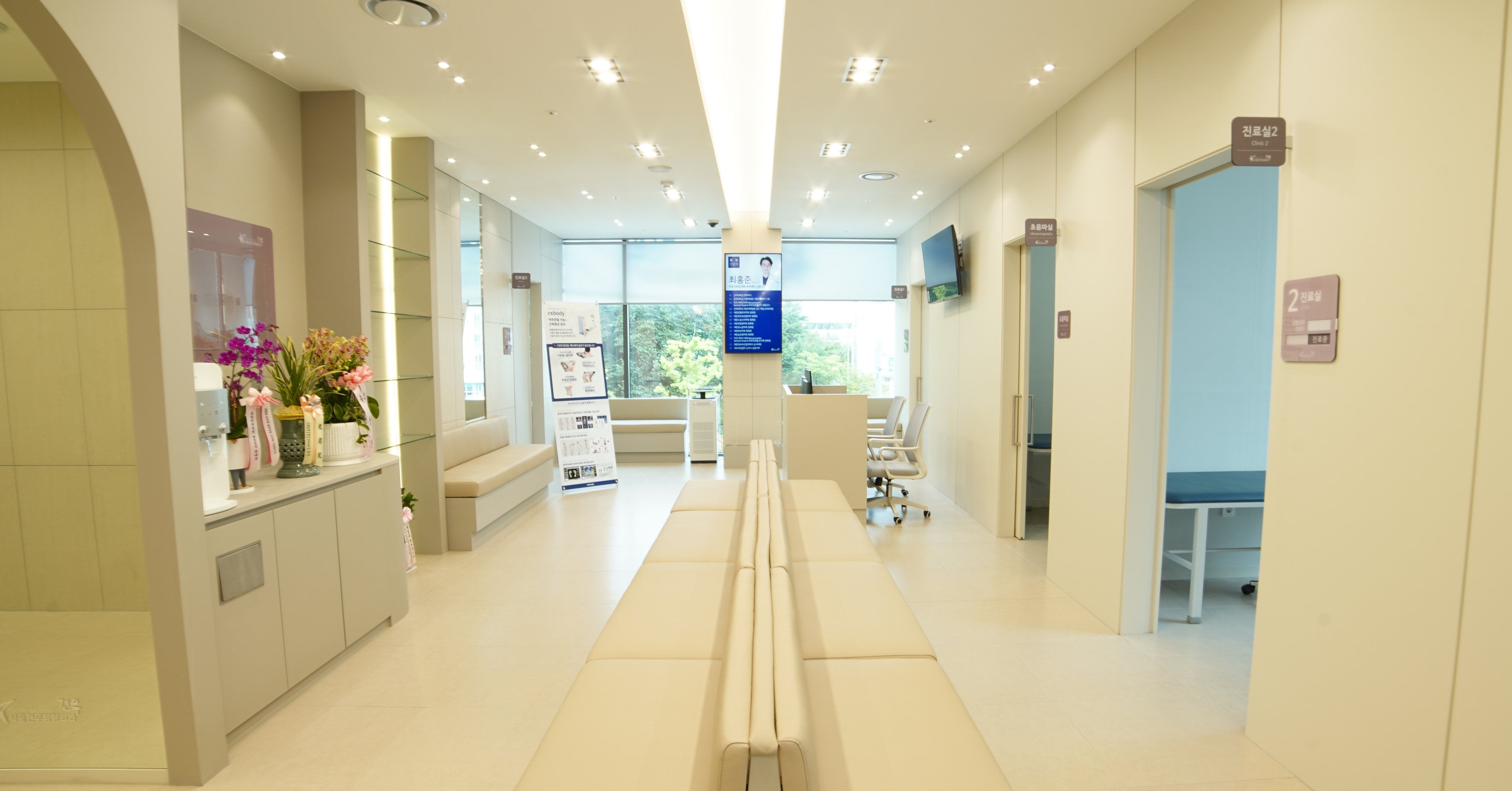
Best hospital for bunion surgery in Seoul: Planning Your Visit
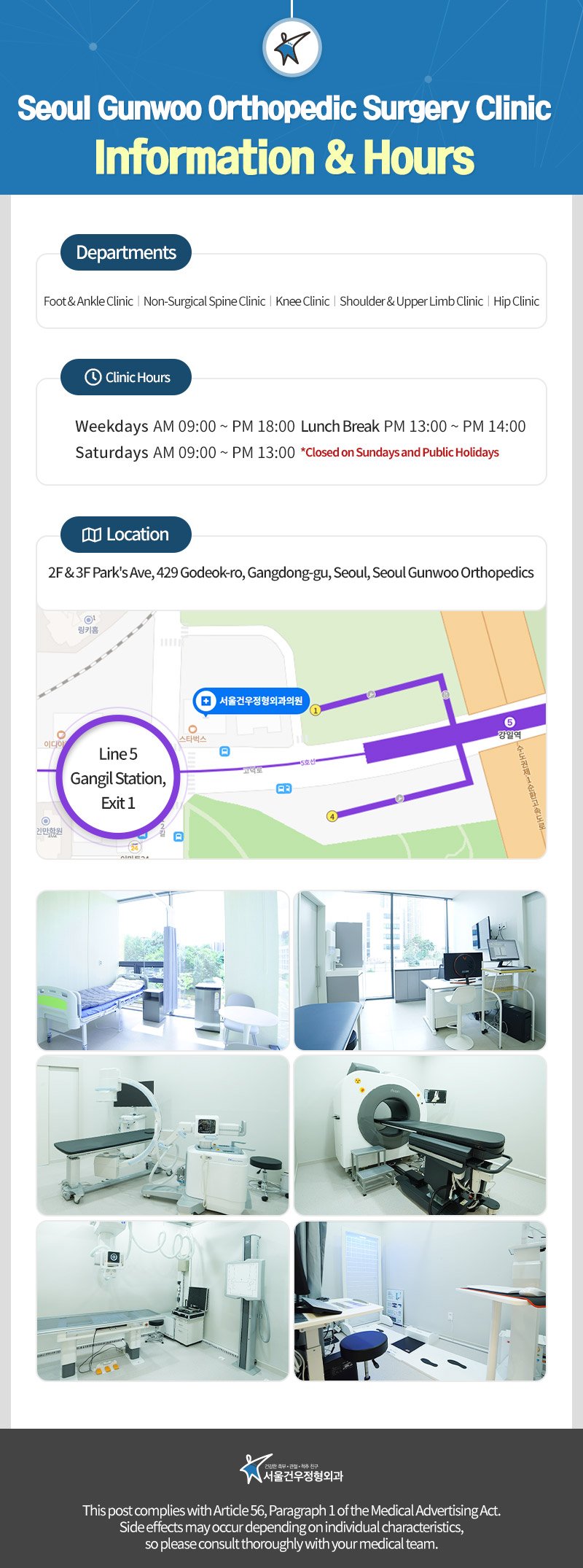
Good preparation can make an orthopedic consultation more productive. Gather information about your symptoms, any previous treatment, and the activities that are most affected. Consider practical matters such as language support, appointment arrangements, and the time you may need for recovery if surgery is recommended. Seoul Gunwoo Orthopedic Surgery Clinic is in Gangdong-gu, Seoul, near Gangil Station. Contact the clinic before booking if you need to check communication or visit arrangements.
What to prepare for your appointment
Write down when you first noticed the bunion and whether the discomfort has changed. Include the location of pain, the types of shoes that cause pressure, and any limits on walking or exercise. If both feet are affected, describe each one separately. These details can help the attending doctor understand which symptoms are most important to you and how they influence your daily routine.
If you have records from previous care, consider bringing them to the appointment. A list of medicines you take and relevant health concerns can also support a discussion about treatment planning. Note what you have tried for discomfort and whether it helped. You do not need to predict the diagnosis or decide in advance that surgery is necessary. Instead, prepare a few questions: What is causing my discomfort? What are my options? What should I expect if treatment is recommended? If you are considering an operation, add questions about recovery and the help you might need at home. Clear information about your goals and circumstances helps the medical staff tailor the discussion to you.
Preparation is most useful when it captures how the foot affects your life, not just how it looks. Bring your questions and any relevant records so you can discuss the next step with confidence.
Language support and communication
If you prefer to discuss medical care in English, contact Seoul Gunwoo Orthopedic Surgery Clinic before booking to ask whether an English-speaking clinician or interpreter can be arranged. Do not assume that an English-language website means language support will be available during your visit. Ask how communication will work for the consultation and, if relevant, for any later treatment or follow-up discussions.
During the appointment, ask the attending doctor to clarify any term you do not understand. It can help to repeat the proposed plan in your own words and check that you have understood its purpose, alternatives, and next steps. If a procedure is recommended, ask how instructions will be communicated before and after treatment. You can also write down the questions you want answered before making a decision. If you expect to rely on interpretation, consider whether you will need support for practical details as well as the medical discussion. These may include appointment arrangements, preparation instructions, and follow-up. Understanding the plan is an important part of agreeing to care. Take time to raise any uncertainty with the medical staff.
Costs, scheduling, and follow-up
Before proceeding with treatment, ask for an explanation of the expected charges for the care recommended in your case. A useful discussion covers what is included in an estimate and whether assessment, treatment, and follow-up are addressed separately. Because a plan depends on the individual assessment, avoid assuming that another person’s experience or treatment will establish your own costs.
Ask how appointments and follow-up are arranged, particularly if you are traveling or need to coordinate time away from work. If surgery is recommended, discuss when you should return for review and how to seek advice if you have concerns afterward. The medical staff can explain the schedule that applies to your plan. Keep any instructions you receive accessible so you can refer to them during recovery.
Seoul Gunwoo Orthopedic Surgery Clinic’s foot and ankle focus also includes ankle ligament care, Achilles tendon care, and heel pain and plantar fasciitis care. If you have more than one concern, mention it when arranging or attending your appointment. That allows you to ask whether each issue can be addressed as part of the consultation and what the appropriate next step would be.

Frequently Asked Questions
Q.What kind of care does Seoul Gunwoo Orthopedic Surgery Clinic offer?
A.Seoul Gunwoo Orthopedic Surgery Clinic provides orthopedic care focused on foot and ankle conditions. Its published surgical work includes bunion correction, ankle ligament surgery, Achilles tendon repair, and ankle fracture surgery.
Q.Who might consider a bunion consultation?
A.A consultation may be useful if a bunion causes discomfort in shoes, affects walking, or raises questions about treatment. The attending doctor can assess your symptoms and discuss appropriate options.
Q.Does Seoul Gunwoo Orthopedic Surgery Clinic offer bunion surgery?
A.Bunion correction is part of Seoul Gunwoo Orthopedic Surgery Clinic’s published surgical work. Whether surgery is appropriate depends on an individual assessment.
Q.What should I prepare before my appointment?
A.Prepare a description of your symptoms, any previous treatment, and the activities affected by your foot. Bring relevant medical records if you have them and write down questions about treatment and recovery.
Q.Where is Seoul Gunwoo Orthopedic Surgery Clinic, and how can I contact it?
A.Seoul Gunwoo Orthopedic Surgery Clinic is at 2F–3F, 429 Godeok-ro, Gangdong-gu, Seoul, Republic of Korea, in front of Gangil Station Exit 1. Call 02-426-9876 to discuss booking or ask about language support.
Clinic Information
| Clinic | Seoul Gunwoo Orthopedic Surgery Clinic |
|---|---|
| Specialty | Orthopedics |
| Address | 2F-3F, 429, Godeok-ro, Gangdong-gu, Seoul, Republic of Korea |
| Phone | 02-426-9876 |
| Website | https://seoulfoot.sillajewelry.com |
| Specialist | Specialist care |
 Seoul Gunwoo Orthopedic Surgery Clinic