

Seoul bunion specialist hospital recommendation: What to consider
A search for a Seoul bunion specialist hospital recommendation often begins with a practical concern: pain near the base of the big toe, difficulty finding comfortable shoes, or a change in the shape of the foot. Seoul Gunwoo Orthopedic Surgery Clinic provides orthopedic care for bunions and other foot and ankle conditions. A useful assessment considers symptoms, foot structure, and the effect on daily activities—not appearance alone. The right treatment discussion depends on what is causing discomfort and how much the problem interferes with walking, footwear, or exercise.
Understanding bunion symptoms
A bunion is a change in the alignment of the big toe joint that can create a prominent area on the inner side of the foot. Shoes may press on that area, causing irritation or discomfort. Some people notice pain during walking, while others seek advice because footwear has become difficult to wear. Symptoms do not necessarily match the visible size of the prominence, so describing when and where discomfort occurs can help guide an assessment.
Before an appointment, note whether the discomfort appears only in certain shoes or continues when barefoot. It is also useful to describe any swelling, skin irritation, stiffness, or changes in the way you walk. Explain which activities have become difficult and whether the concern affects one foot or both. These details give the medical staff context for examining the joint and discussing appropriate next steps. A bunion can affect people in different ways, and an examination helps distinguish the visible change from the symptoms that matter most to the individual. The aim of the initial discussion is to understand the problem before deciding on treatment.
A bunion assessment should connect the shape of the foot with the symptoms you actually experience. Clear details about footwear, walking, and daily discomfort help make the consultation more useful.
Looking beyond the big toe
Foot and ankle discomfort is not always limited to a single joint. Seoul Gunwoo Orthopedic Surgery Clinic also provides care for ankle ligament concerns, Achilles tendon problems, heel pain, and plantar fasciitis. Mentioning pain elsewhere in the foot or ankle can help the medical staff understand the full picture. A bunion and another area of discomfort should not automatically be assumed to have the same cause; each concern needs appropriate assessment.
For example, a person seeking bunion care may also want to discuss heel discomfort or an ankle injury that affects walking. Bringing up both concerns allows the consultation to address the activities that have become difficult, rather than focusing only on the most visible symptom. Our clinic’s services include assessment of heel pain and plantar fasciitis, with options such as stretching, shockwave therapy, and discussion of persistent symptoms. These approaches concern heel pain and plantar fasciitis; they should not be assumed to be treatments for every bunion. The medical staff can explain which findings are relevant and whether a separate evaluation of another foot or ankle problem is appropriate.
Using assessment tools thoughtfully
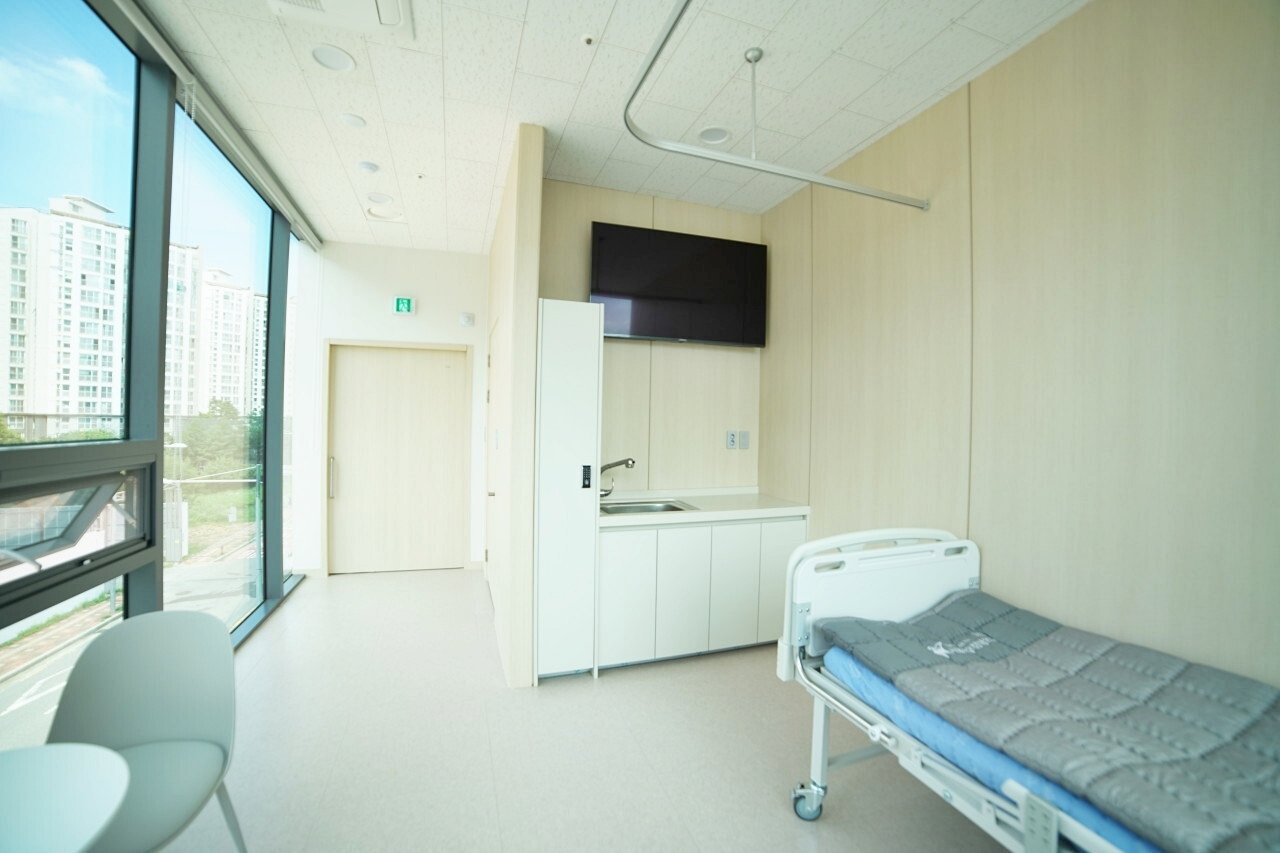
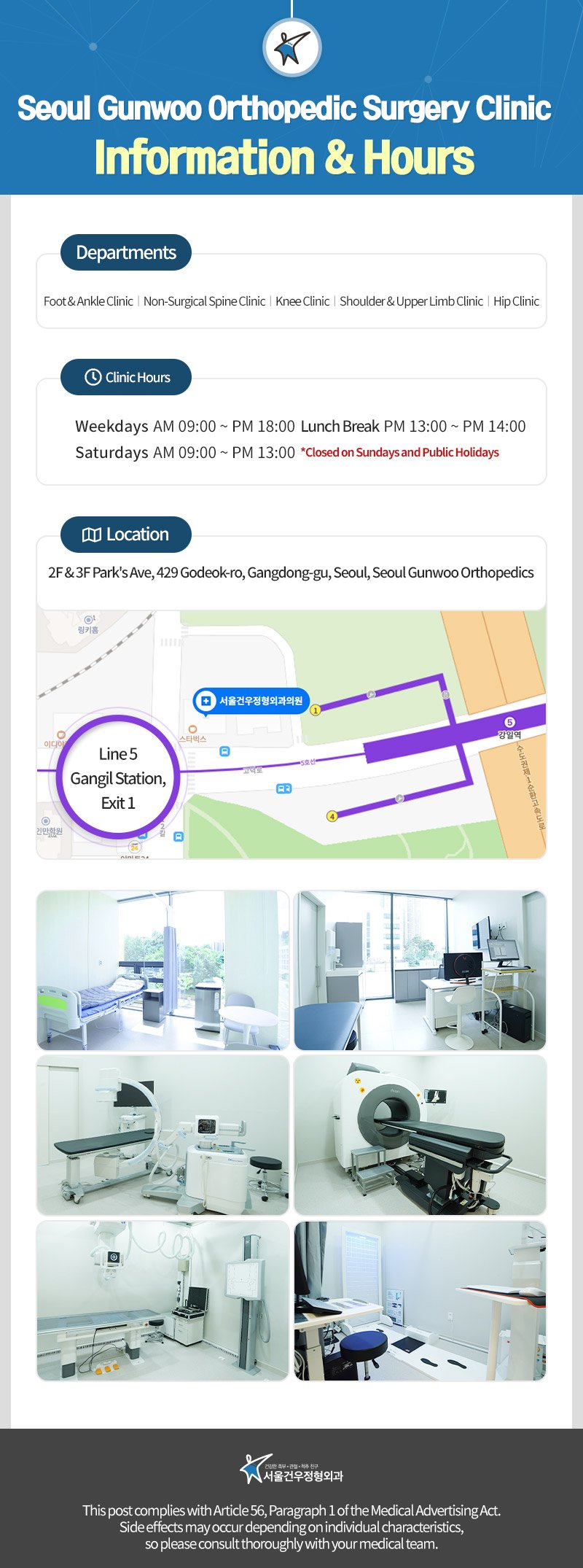
Seoul Gunwoo Orthopedic Surgery Clinic has CT, ultrasound, and gait analysis facilities in the same building as its operating rooms, inpatient rooms, and rehabilitation facilities. Each tool serves a different purpose, and an examination does not necessarily require all of them. The attending doctor can explain whether a particular test would add useful information to the clinical assessment and how its findings may inform the next step.
When discussing an examination, ask what the test is intended to show and how the result could affect the treatment plan. Gait analysis concerns the way a person walks, while imaging can help the medical staff examine relevant structures. The choice of assessment should follow the clinical question. Bringing a list of symptoms and any available previous test results can also make it easier to discuss changes over time.
| Facility or service | Role in the visit |
|---|---|
| CT and ultrasound | Imaging tools available for assessment |
| Gait analysis | Assessment of walking |
| Operating rooms and inpatient rooms | Facilities for surgical and inpatient care |
| Rehabilitation | Care available in the same building |
Having these facilities in one building can make it easier to discuss assessment, treatment, and rehabilitation within the same setting. It does not mean that every patient needs imaging, surgery, or inpatient care. Ask the medical staff which parts of the process apply to your circumstances, what preparation is needed, and how findings will be reviewed. A clear explanation of the purpose of each step is more useful than choosing care based on equipment alone.
Seoul bunion specialist hospital recommendation: Treatment options
Bunion care can include practical measures to reduce pressure as well as a discussion of surgery when symptoms warrant it. The appropriate approach depends on the examination, the level of discomfort, and the effect on daily life. Seoul Gunwoo Orthopedic Surgery Clinic lists minimally invasive bunion surgery among its techniques. Surgery is a decision to discuss after the medical staff has assessed the foot and explained the options. A visible bunion alone does not establish which treatment an individual needs.
Starting with symptom management
For some people, the first discussion centers on reducing irritation during everyday activities. Footwear with enough room around the toes can help avoid pressure on a prominent joint. It can also be useful to identify which shoes or activities bring on discomfort. These measures are intended to address symptoms; they should not be presented as a way to reverse the underlying alignment change. The medical staff can discuss whether additional care is appropriate after an examination.
Consider bringing the shoes you wear most often, or describing their fit and the situations in which they cause pain. A consultation can cover whether discomfort occurs at work, during exercise, or on longer walks, as well as whether skin irritation has developed over the prominent area. If you have already tried changing footwear or modifying activities, explain what helped and what did not. This information can make the discussion more specific and help the attending doctor understand your priorities. For example, relief while walking and the ability to wear ordinary shoes may matter more than the appearance of the foot. Symptom management and structural correction are different goals, and understanding that distinction helps set expectations for treatment.
Non-surgical measures focus on managing pressure and discomfort, while surgery addresses a different treatment question. The choice should reflect the examination findings and the activities affected by the bunion.
Discussing minimally invasive surgery
Seoul Gunwoo Orthopedic Surgery Clinic names MICA minimally invasive bunion surgery among its techniques. The clinic’s published surgical work also covers bunions. Minimally invasive surgery is an approach to discuss with the attending doctor, not a treatment that is automatically suitable for every foot. Ask how the proposed procedure relates to your examination findings, what alternatives are available, and what the expected care process involves.
A surgical consultation should make room for questions about the intended correction, anesthesia, recovery, rehabilitation, and potential complications. The answers depend on the individual case and the procedure proposed. Our clinic also lists absorbable screws for bunion and fracture fixation; their use in a particular operation is a matter for the attending doctor to explain. Ask whether fixation is planned, why a specific approach is being considered, and what instructions would apply after surgery. It is reasonable to discuss how treatment may affect work, walking, and other responsibilities, while recognizing that recovery and changes may take time depending on individual condition. Understanding the proposed procedure and its limitations is an important part of an informed decision.
Points to consider before treatment
Every treatment plan involves practical considerations. Before surgery, discuss your medical history, current medicines, allergies, and any previous foot or ankle procedures with the medical staff. Ask which activities may need to be adjusted and whether help at home or time away from work should be planned. For non-surgical care, ask how to monitor symptoms and when a follow-up discussion would be useful.
It is also appropriate to ask about risks and possible complications associated with the proposed procedure. The attending doctor can explain how these relate to your health and the planned treatment. If the appearance of the foot is a major concern, discuss that openly alongside pain and function. A realistic conversation should distinguish the treatment’s intended purpose from outcomes that cannot be promised.
Costs depend on the assessment and care recommended for the individual case. During a consultation, ask for an explanation of the proposed services and their associated charges before making a decision. You can also ask which examinations are being recommended and why. This keeps the discussion focused on the care you need rather than on assumptions about a procedure or a standard package.
Seoul bunion specialist hospital recommendation: Planning your visit
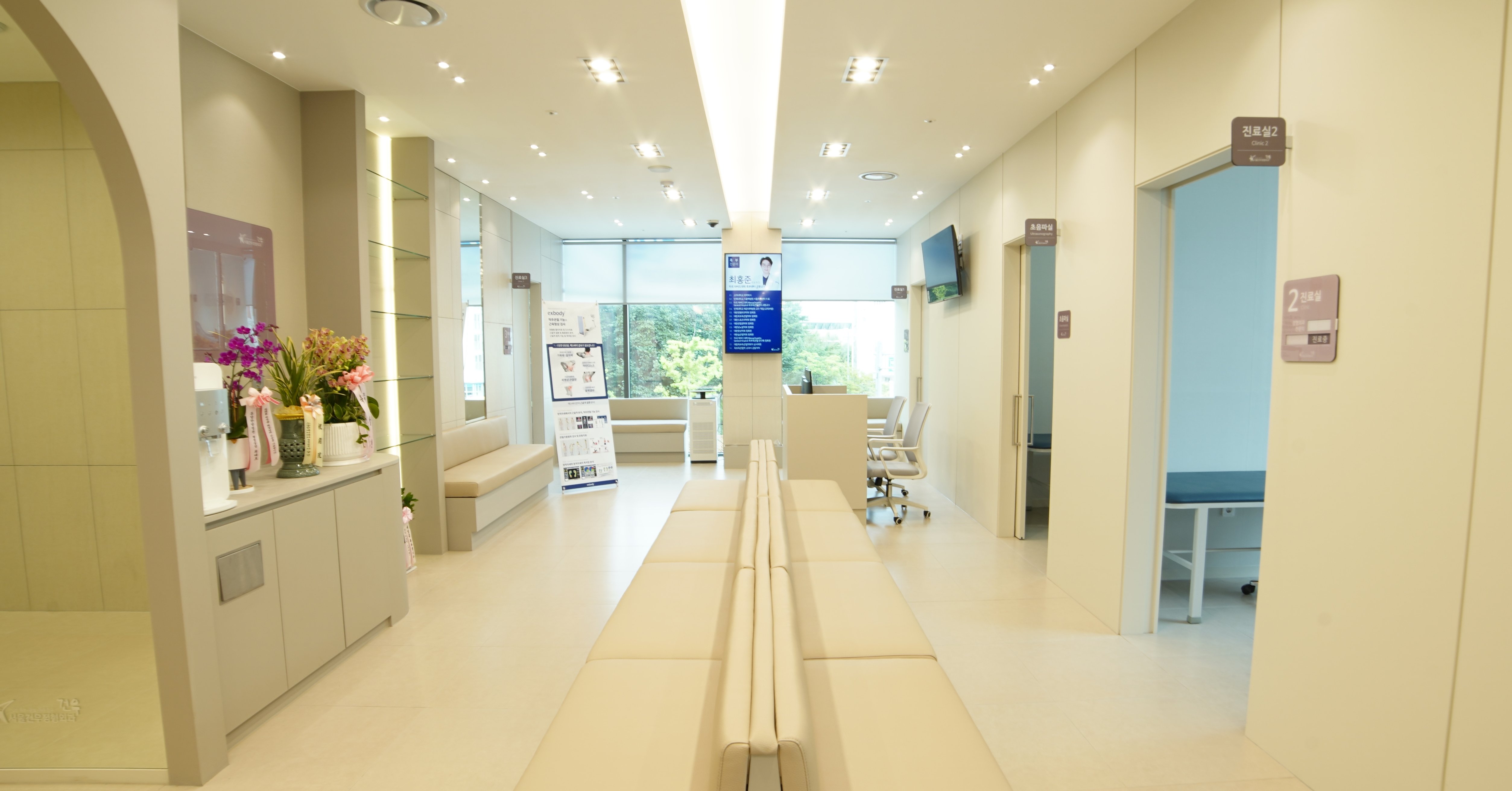
A productive visit begins with a clear account of your symptoms and the questions you want answered. Seoul Gunwoo Orthopedic Surgery Clinic provides orthopedic care with assessment, surgical facilities, inpatient rooms, and rehabilitation in one building. The medical staff can discuss a care plan after reviewing your concerns. Prepare to describe how the bunion affects your routine and what you hope to improve. This gives the consultation a practical focus, whether the next step is symptom management, further assessment, or a surgical discussion.
Preparing for the consultation
Write down when you first noticed discomfort and whether it has changed. Note the location of pain, the activities that bring it on, and whether particular shoes make it worse. If you have records from earlier assessments, bring copies when available. A list of medicines, relevant medical conditions, and previous foot or ankle treatments can help the medical staff understand your history and avoid relying on memory during the appointment.
It also helps to identify your main question before you arrive. You may want to know whether the discomfort is consistent with a bunion, how to reduce pressure in shoes, or whether surgery should be considered. If more than one concern affects your walking, describe each one separately. For instance, explain where heel pain occurs rather than assuming it is caused by the bunion. Ask the attending doctor to walk you through the examination findings in plain language and explain any recommended tests. If a treatment is proposed, ask what it is intended to address and what other options are reasonable. Taking notes can make it easier to review the plan afterward and share relevant information with anyone helping you arrange care.
A focused consultation starts with symptoms, daily limitations, and the patient’s priorities. Bring relevant records and questions so the medical staff can explain the assessment and next steps clearly.
Planning for rehabilitation
Rehabilitation facilities are available in the same building as the clinic’s assessment and surgical facilities. The role of rehabilitation depends on the treatment and the individual’s condition. If surgery is being considered, ask the attending doctor what follow-up and rehabilitation would involve, including any instructions about walking or returning to activities. For non-surgical care, ask which practical measures are appropriate and how progress should be reviewed.
Recovery should be discussed as a process rather than a fixed promise. The medical staff can explain what to expect for the proposed treatment, which symptoms should prompt contact, and how activities may need to be adjusted. Changes may take time depending on individual condition. Before leaving, make sure you understand the next step: whether that is monitoring symptoms, arranging a further assessment, or following a treatment plan. If instructions are unclear, ask for them to be explained again. For a surgical plan, questions about wound care, footwear, mobility, and follow-up can help you prepare, although the specific instructions must come from the attending doctor. A clear plan is especially valuable when balancing care with work, travel, or responsibilities at home.
Choosing care that fits your concerns
When comparing orthopedic care, look for an explanation of how the examination connects to the proposed treatment. Ask about the experience of the visit itself: what will be assessed, whether imaging is relevant, and how alternatives will be discussed. Seoul Gunwoo Orthopedic Surgery Clinic offers bunion care as well as services for other foot and ankle concerns, allowing patients to raise more than one issue during a consultation.
Our clinic’s published surgical work includes bunions, ankle ligament repair and reconstruction, Achilles tendon repair, ankle cartilage, ankle arthritis, and fractures. These areas are distinct, so a technique listed for one condition should not be assumed to apply to another. If you have both a bunion and a separate ankle or heel concern, ask the medical staff how each will be evaluated and whether the treatment priorities differ.
Ultimately, a recommendation is most useful when it helps you ask informed questions rather than promise a particular result. Focus on the assessment, the reasoning behind each option, and the practical implications of care. If surgery is discussed, make sure you understand the intended procedure, potential complications, and follow-up plan. If conservative care is appropriate, ask how to judge whether symptoms are improving and when to seek another review.

Frequently Asked Questions
Q.What kind of care does Seoul Gunwoo Orthopedic Surgery Clinic offer?
A.Seoul Gunwoo Orthopedic Surgery Clinic provides orthopedic care for bunions, ankle ligament and Achilles tendon concerns, heel pain, and plantar fasciitis.
Q.Who might consider a bunion consultation?
A.A consultation may be useful for someone experiencing discomfort around the big toe joint or difficulty wearing shoes because of a prominent area on the foot.
Q.What bunion surgery does the clinic list?
A.The clinic lists MICA minimally invasive bunion surgery among its techniques. The attending doctor can discuss whether surgery is appropriate after an assessment.
Q.What should I prepare for my appointment?
A.Bring a list of your symptoms, current medicines, and relevant medical history, along with any available records from previous foot or ankle assessments.
Q.Where is Seoul Gunwoo Orthopedic Surgery Clinic, and how can I contact it?
A.The clinic is at 2F-3F, 429, Godeok-ro, Gangdong-gu, Seoul, Republic of Korea. Call 02-426-9876 to ask about a consultation.
Clinic Information
| Clinic | Seoul Gunwoo Orthopedic Surgery Clinic |
|---|---|
| Specialty | Orthopedics |
| Address | 2F-3F, 429, Godeok-ro, Gangdong-gu, Seoul, Republic of Korea |
| Phone | 02-426-9876 |
| Website | https://seoulfoot.sillajewelry.com |
| Specialist | Specialist care |
 Seoul Gunwoo Orthopedic Surgery Clinic