
Recommended hospital for ankle surgery in Seoul: What to look for
Finding an appropriate hospital for ankle surgery starts with understanding the injury and the care required. Ankle pain can arise from a ligament injury, fracture, tendon problem, cartilage damage, or arthritis, and these conditions do not all require the same treatment. The central question is whether the medical staff can assess your specific condition and explain the available options. At Seoul Gunwoo Orthopedic Surgery Clinic, foot and ankle care includes assessment and surgical work involving several of these conditions.
Look for relevant foot and ankle experience
Ankle surgery requires attention to the structures that support movement and stability. When reviewing a clinic, ask whether the medical staff regularly evaluates the type of problem you have and whether the proposed treatment addresses the source of your symptoms. Seoul Gunwoo Orthopedic Surgery Clinic focuses on foot and ankle conditions, with published surgical work covering ankle ligaments, fractures, the Achilles tendon, cartilage, and arthritis.
Experience is most useful when it is relevant to your diagnosis. A person with repeated ankle instability may need a different assessment from someone with a fracture or persistent tendon symptoms. During a consultation, describe how the problem began, where discomfort occurs, and which activities make it worse. If you have had treatment before, explain what was tried and how your symptoms responded. This information gives the attending doctor a clearer picture of your concerns and provides a starting point for discussing whether further assessment or surgery is appropriate.
A useful comparison begins with the condition being treated, not simply whether a clinic offers surgery. Ask the medical staff to explain how the proposed approach relates to your diagnosis and goals.
Review the medical staff’s background
Training and clinical experience can help you understand a medical staff member’s area of practice. Dr. Choi Hong Joon has a background in foot and ankle medicine, clinical practice, and research, and holds a PhD in medicine. Dr. Min Kyong Dae is an orthopedic specialist whose listed background includes arthroscopy research and sports-medicine training. Both profiles offer relevant context when considering orthopedic care.
A clinician’s background is one part of the decision; the consultation itself is equally important. Ask who will assess your condition and, if surgery is recommended, who will perform the procedure. You can also ask the attending doctor to explain the intended purpose of treatment, the alternatives, and what recovery could involve. A clear explanation should connect the recommendation to your examination and diagnosis. If a term is unfamiliar, ask for it to be explained in everyday language. Taking notes or bringing a list of questions can make it easier to compare your options after the appointment.
Consider facilities across the care pathway
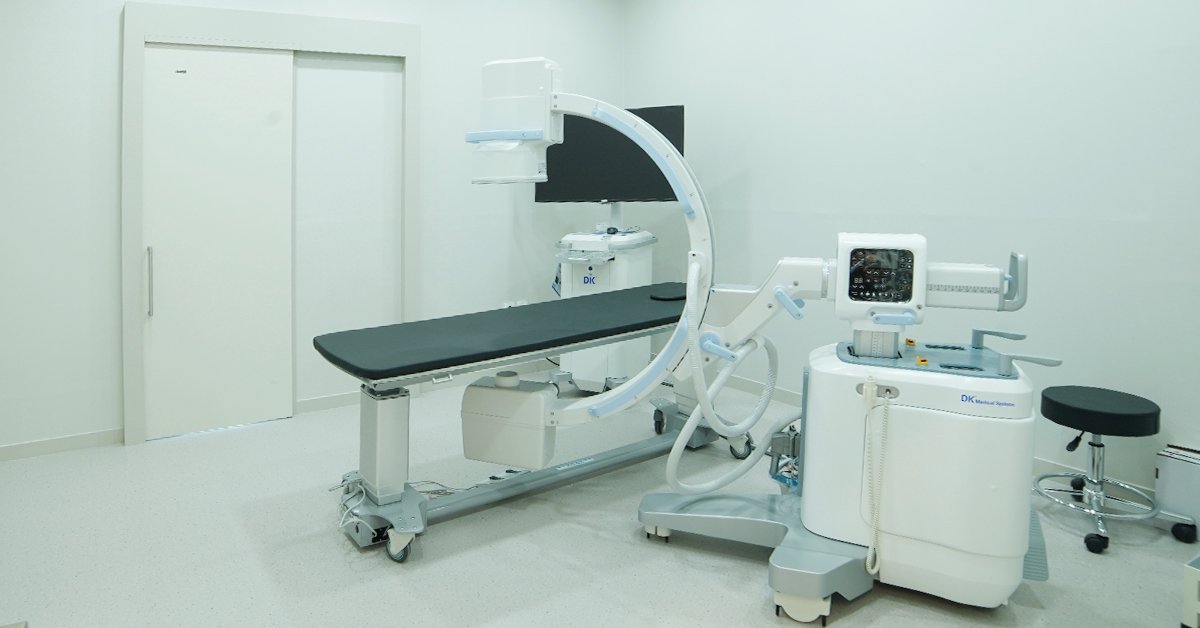
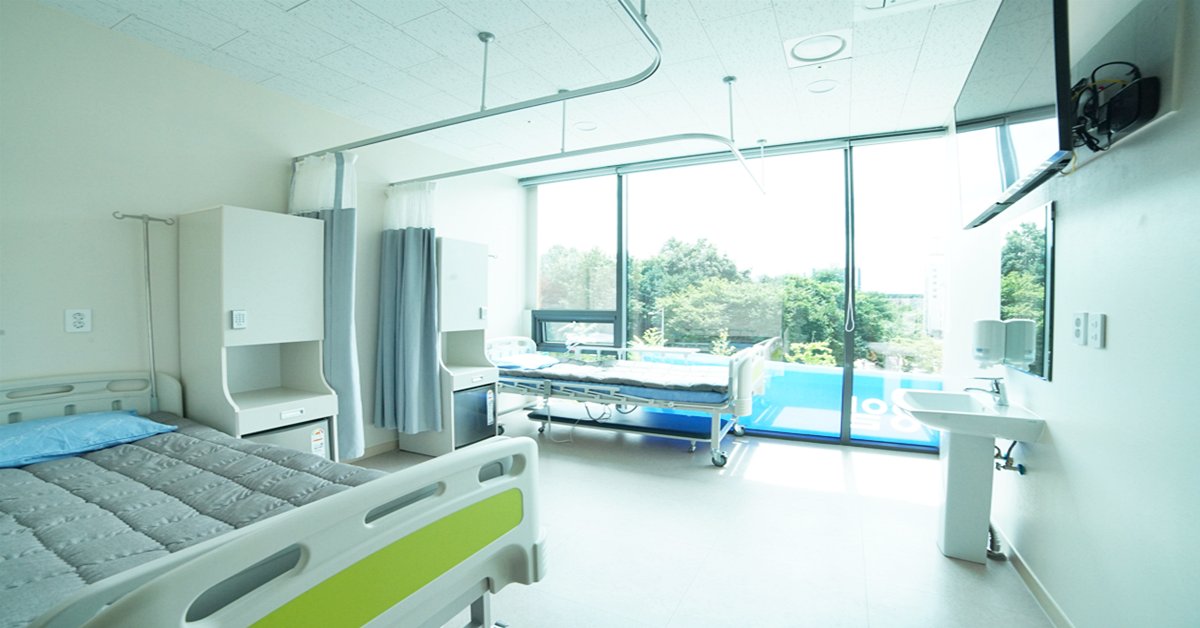
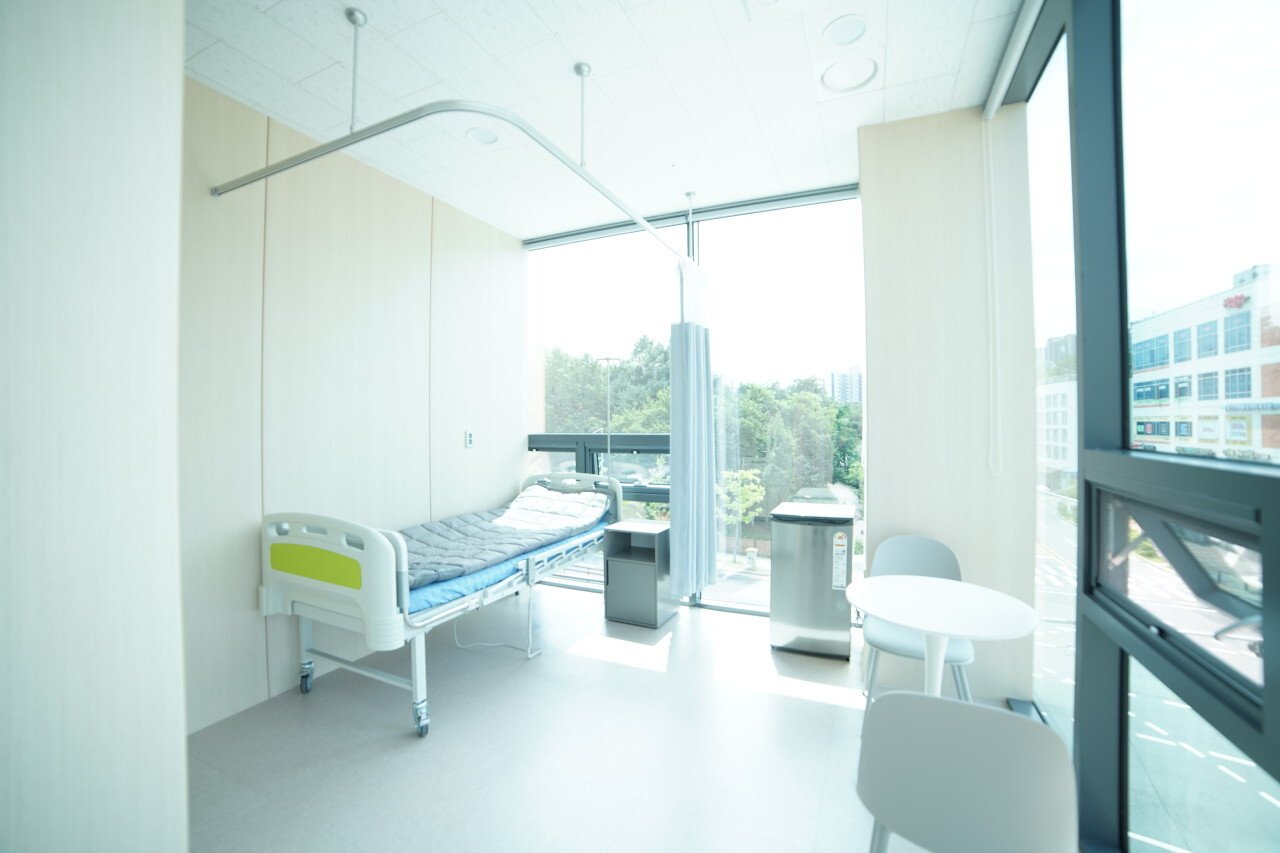
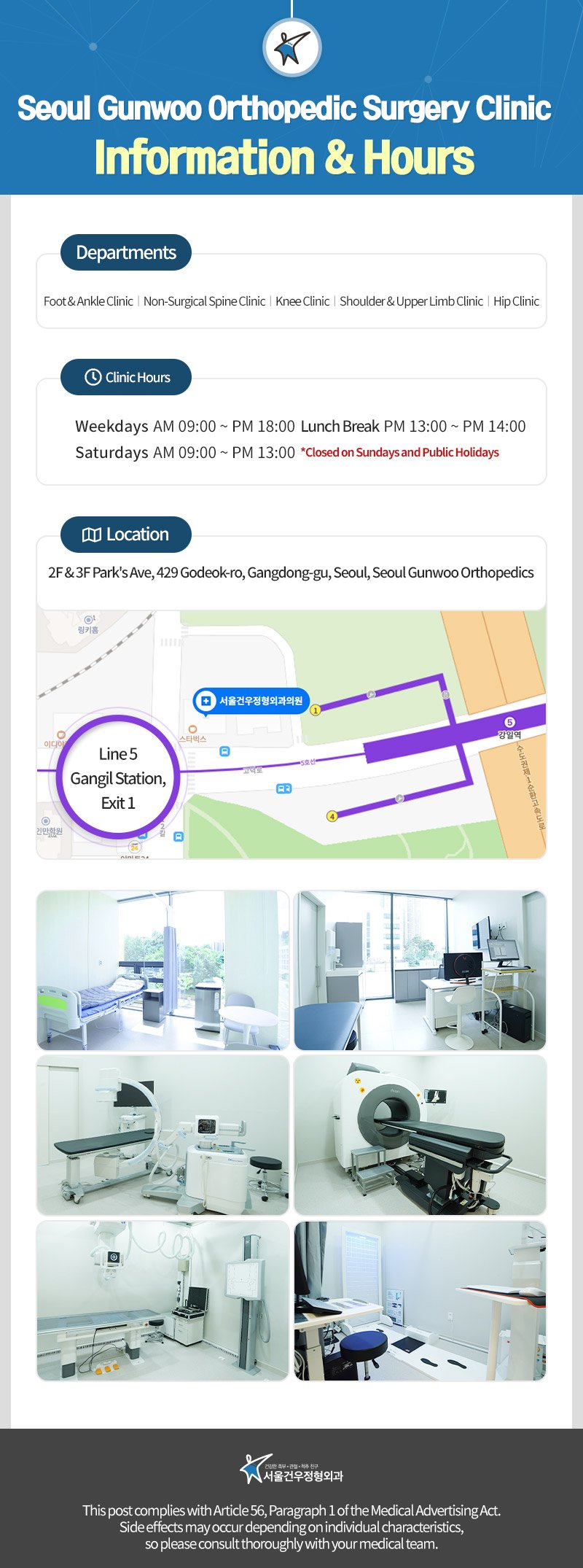
Assessment, surgery, and recovery are connected parts of orthopedic care. Seoul Gunwoo Orthopedic Surgery Clinic has operating rooms, inpatient rooms, CT, ultrasound, gait analysis, and rehabilitation in one building. Having these resources together can be useful when discussing how different stages of care are organized. The tests and facilities relevant to an individual patient depend on the condition and the attending doctor’s assessment.
Imaging and movement assessment answer different clinical questions. CT and ultrasound are available at our clinic, while gait analysis can be discussed when walking patterns are relevant to the assessment. Ask why a particular test is recommended and how its findings will inform the treatment plan. An examination and a conversation about symptoms remain important parts of understanding the problem.
It is also reasonable to ask how inpatient care and rehabilitation fit into a proposed surgical plan. Not every patient will need the same arrangements, and the appropriate plan depends on the procedure and individual circumstances. Understanding the expected steps before making a decision can help you prepare for the practical demands of treatment and recovery.
Recommended hospital for ankle surgery in Seoul: Conditions and treatment options
Ankle surgery is not a single procedure. The treatment discussed depends on the affected structure, the nature of the injury, and the findings of an assessment. Seoul Gunwoo Orthopedic Surgery Clinic’s published surgical work includes ankle ligament repair and reconstruction, Achilles tendon repair, fracture surgery, and care involving ankle cartilage and arthritis. An accurate diagnosis comes before a decision about the procedure. A consultation is an opportunity to understand both surgical and nonsurgical options relevant to your condition.
Ankle ligament injuries and instability
Ankle ligaments help support the joint. An injury can cause pain and swelling, and some people continue to experience a sense of instability after the initial injury. At Seoul Gunwoo Orthopedic Surgery Clinic, ankle ligament care includes repair and reconstruction. The attending doctor can discuss whether a surgical approach is appropriate after assessing the injury and its effect on daily activity.
If you are seeking an opinion about ligament treatment, be ready to describe whether the ankle feels unstable during walking, exercise, or other activities. Mention any previous sprains and treatments, including rehabilitation, as well as what you hope to return to doing. Ask what the examination shows and how the recommended approach addresses the problem. Repair and reconstruction are different terms, so it is worth asking which approach is being considered and why. You can also discuss the expected recovery process and any limitations that may affect work, exercise, or other responsibilities.
Ligament treatment should be based on the injury and its effect on function. A discussion of repair or reconstruction is most useful when the attending doctor explains the reason for the recommendation.
Fractures, tendon injuries, and joint conditions
Ankle fractures, Achilles tendon injuries, cartilage problems, and ankle arthritis involve different structures and call for individual assessment. Seoul Gunwoo Orthopedic Surgery Clinic’s surgical work covers these areas. The attending doctor can explain the diagnosis, the purpose of any recommended imaging, and whether surgery is being considered. If you have an acute injury with severe pain, an obvious deformity, or an inability to bear weight, seek prompt medical assessment.
When discussing a fracture or tendon injury, ask how the findings relate to stability, movement, and the treatment plan. For cartilage problems or arthritis, it can be helpful to describe when symptoms occur, how long the problem has affected you, and whether walking or other activities are restricted. Bring previous imaging or medical records if available. The medical staff can then review the relevant information alongside the examination. Rather than assuming that a particular symptom requires an operation, ask what options fit your diagnosis and what each option is intended to address.
Other foot and ankle concerns
Foot and ankle symptoms can also arise outside the ankle joint. Our clinic provides bunion care, Achilles tendon care, and care for heel pain and plantar fasciitis. For heel pain and plantar fasciitis, the published approach includes assessment, stretching, shockwave therapy, and discussion of persistent symptoms. These services are distinct from ankle surgery, but they may be relevant when explaining where and when discomfort occurs.
Be specific about the location of pain and whether it changes with standing, walking, exercise, or rest. If you have tried stretching or other measures, describe how consistently you used them and whether they helped. This information can support a more focused conversation about the next step, without assuming that every foot or ankle concern requires surgery.
| Area of care | Published services or focus |
|---|---|
| Ankle ligaments | Care, repair, and reconstruction |
| Achilles tendon | Care and repair |
| Ankle joint and fractures | Cartilage, arthritis, and fracture surgery |
| Heel pain and plantar fasciitis | Assessment, stretching, and shockwave therapy |
| Bunions | Care and correction |
The table is a guide to the clinic’s published areas of care, not a recommendation for a particular procedure. An individual treatment plan depends on the diagnosis and discussion with the attending doctor. Ask how a proposed treatment relates to your symptoms, what alternatives are appropriate, and what the next stage of care would involve. This keeps the decision grounded in your circumstances rather than in the name of a procedure alone.
Recommended hospital for ankle surgery in Seoul: Preparing for consultation
A productive consultation gives you enough information to understand your diagnosis and make an informed decision. Prepare a concise account of your symptoms, previous treatment, and the activities affected by the problem. If surgery is discussed, ask about the procedure, expected recovery, and the practical support you may need. Costs and the details of a treatment plan depend on the individual case. Discuss these matters with the medical staff before deciding how to proceed.
Bring information that supports the assessment
Consider writing down when symptoms began, how the injury occurred if relevant, and whether symptoms have changed. Note where you feel pain, whether the ankle feels unstable, and which movements or activities are difficult. Bring previous medical records and imaging if available, along with information about treatments you have already tried. A concise history helps the attending doctor understand the problem you want addressed.
Your priorities matter as well. You may want to walk more comfortably, return to exercise, or understand why symptoms persist despite previous care. Explain those goals so the medical staff can discuss them alongside the clinical findings. If surgery is recommended, ask what the operation is intended to address and what other options are appropriate. You can also ask whether additional imaging or gait analysis would be relevant to your case. There is no need to arrive with a diagnosis in mind; the purpose of the visit is to evaluate the problem and clarify the next steps.
Good preparation makes it easier to connect your symptoms, examination findings, and treatment goals. Bring the information you have, then use the consultation to clarify anything that remains uncertain.
Points to consider before treatment
Before agreeing to surgery, ask the attending doctor to explain the intended benefit, relevant risks, alternatives, and recovery expectations for your particular procedure. Recovery plans differ according to the condition and treatment. Discuss any health concerns or medicines that could be relevant, and follow the instructions given by the medical staff. Do not make changes to prescribed medication without speaking to the prescribing clinician.
Practical questions are important too. Ask whether inpatient care is expected, how rehabilitation will be arranged, and when you should seek advice after treatment. If you need to plan around work, travel, or assistance at home, raise those concerns before the procedure. Changes in symptoms and function may take time depending on your condition and treatment, so ask how progress will be assessed. Seoul Gunwoo Orthopedic Surgery Clinic has inpatient rooms and rehabilitation in the same building as its operating rooms, allowing you to discuss these stages of care in the context of your proposed plan.
Plan your visit
Seoul Gunwoo Orthopedic Surgery Clinic is in Gangdong-gu, near Gangil Station, Exit 1. Consultation hours are listed below in Korea Standard Time. If you are planning a visit, consider the weekday lunch break and the shorter Saturday schedule. Use the contact details at the end of this article to discuss your visit with our clinic.
When arranging a consultation, briefly describe the reason for your visit so the medical staff understands whether you are seeking an initial assessment or discussing a previously diagnosed condition. If you have questions about the cost of assessment or treatment, raise them before proceeding. Exact pricing depends on the care required and can be discussed during consultation.
| Day | Consultation hours |
|---|---|
| Monday–Friday | 09:00–18:00; lunch break 13:00–14:00 |
| Saturday | 09:00–13:00 |
| Sunday and public holidays | Closed |
Before the appointment, gather any records you want the attending doctor to review and make a short list of questions. If you have concerns about a recommended test, procedure, or rehabilitation plan, raise them during the visit. Understanding why each step is proposed can help you decide how to proceed with care that fits your diagnosis and circumstances.
Frequently Asked Questions
Q.What kind of care does Seoul Gunwoo Orthopedic Surgery Clinic offer?
A.Our clinic focuses on foot and ankle orthopedic care. Published surgical work includes ankle ligament repair and reconstruction, fracture surgery, Achilles tendon repair, and care involving ankle cartilage and arthritis.
Q.Who might consider visiting our clinic?
A.People seeking assessment for ankle ligament concerns, Achilles tendon problems, bunions, heel pain, or plantar fasciitis can discuss their symptoms with the medical staff. Our clinic also covers ankle fractures, cartilage problems, and ankle arthritis.
Q.What care is available for heel pain and plantar fasciitis?
A.The published approach includes assessment, stretching, and shockwave therapy, as well as discussion of persistent symptoms. The attending doctor can explain which approach is appropriate after assessment.
Q.What should I bring to an appointment?
A.Bring previous medical records and imaging if available, along with a list of treatments you have tried. A description of your symptoms and how they affect daily activities can also help guide the discussion.
Q.Where is Seoul Gunwoo Orthopedic Surgery Clinic, and how can I contact our clinic?
A.Our clinic is at 2F–3F, 429, Godeok-ro, Gangdong-gu, Seoul, Republic of Korea, near Gangil Station, Exit 1. Call 02-426-9876 to discuss your visit.
Clinic Information
| Clinic | Seoul Gunwoo Orthopedic Surgery Clinic |
|---|---|
| Specialty | Orthopedics |
| Address | 2F-3F, 429, Godeok-ro, Gangdong-gu, Seoul, Republic of Korea |
| Phone | 02-426-9876 |
| Website | https://seoulfoot.sillajewelry.com |
| Specialist | Specialist care |
 Seoul Gunwoo Orthopedic Surgery Clinic