

Choosing a Bunion Specialist in Seoul: Start With Your Symptoms
A bunion is a change in the alignment of the big toe joint that can cause a visible prominence on the side of the foot. Some people seek care because shoes press against the area; others notice pain during walking or changes in how the toe sits. The right starting point is an assessment of how the foot feels and functions, not the appearance of the bump alone. Seoul Gunwoo Orthopedic Surgery Clinic provides bunion care alongside treatment for other foot and ankle concerns.
Describe What You Notice
Before an appointment, think about where you feel discomfort and when it occurs. Pressure from a particular pair of shoes, pain during walking and irritation around the big toe joint are useful details to share. If symptoms affect work, exercise or other routines, explain those effects as well. A clear description helps the medical staff understand what matters to you and gives you a basis for discussing the next steps.
It can also help to describe how your symptoms have changed over time. Note whether discomfort is constant or linked to an activity, and whether changing footwear has made a difference. If you have tried padding, an insole or another approach, tell the attending doctor what you used and how your foot responded. Bring relevant previous test results if you have them. You do not need to determine the cause yourself; your observations are there to support a conversation about assessment and care. Mention other foot or ankle symptoms, too, even if you are unsure whether they are related.
A useful bunion consultation begins with the effect on your daily life as well as the shape of your foot. Clear details about pain, footwear and activity give the medical staff a practical starting point.
Consider Footwear and Daily Activities
Shoes can influence how much pressure you feel around a bunion. A narrow toe area may be uncomfortable when it rubs against the side of the foot, so it is useful to discuss the types of shoes you wear most often. The medical staff can take your footwear, symptoms and activities into account when discussing ways to manage discomfort. Comfort and room around the toes are practical points to consider when choosing shoes.
Consider bringing the shoes that are most difficult to wear, or be ready to describe their shape and fit. You might also explain whether your day involves prolonged standing, walking or exercise. These details can make the discussion more relevant to your routine than a conversation about the bunion alone. Footwear changes can help address pressure, but they do not necessarily correct the underlying alignment of the joint. Ask what each recommendation is intended to do and how to judge whether it is helping. If a suggested change is difficult to make because of work or other commitments, say so; that gives the medical staff an opportunity to discuss your circumstances.
Look at the Whole Foot and Ankle
Foot discomfort is not always limited to one joint. Seoul Gunwoo Orthopedic Surgery Clinic also provides care for ankle ligament concerns, Achilles tendon conditions, heel pain and plantar fasciitis. If you have symptoms in more than one area, mention them during your visit. The attending doctor can discuss which concerns need assessment and whether they affect the plan for your bunion.
The clinic has gait analysis in the same building as its clinical facilities. A discussion of walking patterns may be relevant when symptoms affect movement, although the assessment used will depend on the individual. Ask what a recommended test is intended to show and how its findings would inform your care. This keeps the focus on decisions that are meaningful for your symptoms.
For heel pain and plantar fasciitis, the clinic’s care includes assessment, stretching, shockwave therapy and discussion of persistent symptoms. These services address different concerns from bunion care. If you have both types of discomfort, explain where each symptom occurs rather than assuming that one treatment will address them all.
Bunion Specialist in Seoul: Assessments and Treatment Choices
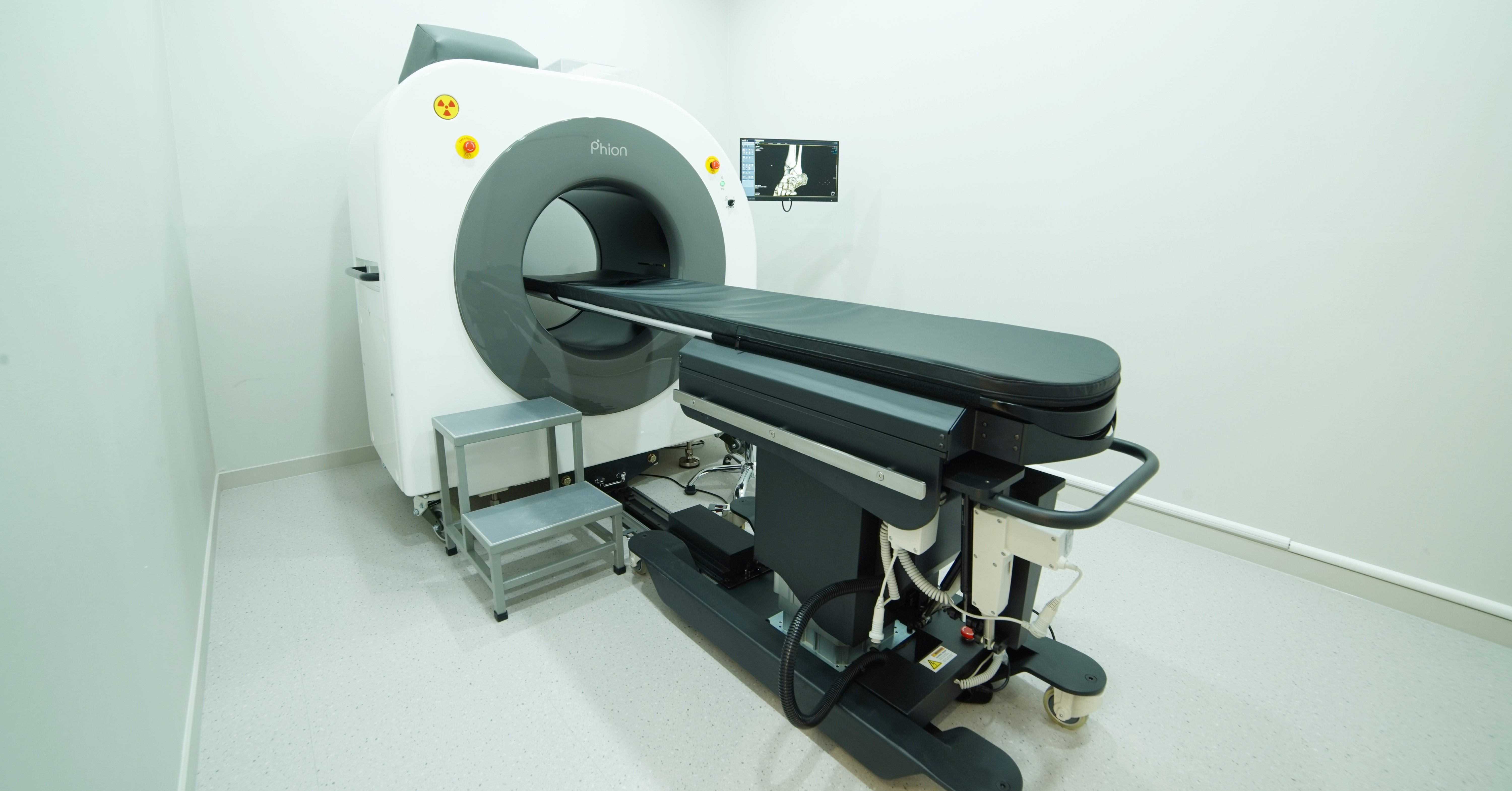
When comparing orthopedic care, look for a clear explanation of the assessment and the choices that follow. Seoul Gunwoo Orthopedic Surgery Clinic has CT, ultrasound and gait analysis in the same building as its operating rooms, inpatient rooms and rehabilitation facilities. A test or procedure should have a clear purpose in your individual care plan. Ask the attending doctor what the examination suggests, which options are relevant and what each option is intended to address.
Understand the Assessment
An assessment begins with your symptoms and their effect on daily life. The attending doctor can examine the foot and discuss whether further testing would help answer a specific question. CT and ultrasound are available at Seoul Gunwoo Orthopedic Surgery Clinic, but their availability does not mean that every person with a bunion needs both. Your medical history and examination help guide the discussion.
When a test is suggested, ask what information it will provide and whether any preparation is needed. You can also ask how the findings relate to the discomfort you have described. For example, the important question may be whether a proposed treatment addresses pressure in shoes, pain with activity or another concern. If you have previous records or images, bring them when practical so the medical staff can review them in context. Understanding the reason for a test is as useful as knowing that the equipment is available. It helps you participate in decisions without assuming that more testing automatically means more appropriate care.
Facilities matter most when their use is tied to a clear clinical question. Ask how the examination and any recommended testing will guide the choices available to you.
Discuss Care Before Considering Surgery
Not every bunion consultation leads to surgery. Depending on your circumstances, the discussion may include ways to manage pressure and discomfort, including attention to footwear. Ask what a recommendation is meant to accomplish and when you should seek another assessment if symptoms persist or change. The aim is to understand your options before deciding on a course of care.
If discomfort continues to interfere with daily activities, ask how the attending doctor evaluates the need for further treatment. A helpful discussion covers the nature of your symptoms, the approaches you have already tried and the reason a particular option is being considered. You can also ask whether the proposed plan focuses on relieving pressure, addressing alignment or both. Be clear about your goals, whether that means walking more comfortably or finding shoes that fit. The medical staff can then explain which goals a proposed treatment is intended to address and what limits or uncertainties you should understand before proceeding.
Ask About Surgical Options
Seoul Gunwoo Orthopedic Surgery Clinic’s published surgical work includes bunions. Its named techniques include MICA minimally invasive bunion surgery, and the clinic also lists absorbable screws for bunion and fracture fixation. These are points to discuss with the attending doctor, not a recommendation that a particular procedure or fixation method is suitable for everyone.
If surgery is proposed, ask why it is being recommended for your foot and how it compares with other options discussed during your visit. Ask about the intended correction, the use of fixation where relevant, and the expected plan for follow-up and rehabilitation. The medical staff can explain the details in relation to your examination and circumstances.
| Topic | Question to ask |
|---|---|
| Assessment | What do my symptoms and examination suggest? |
| Treatment choice | What is each option intended to address? |
| Surgery | If surgery is recommended, why is it appropriate for me? |
| Recovery planning | What follow-up and rehabilitation will I need? |
Points to consider before treatment include the potential risks, the expected recovery process and the effect on your work and daily routines. Ask when you can expect to receive individualized instructions about walking, footwear and activity. Changes and recovery may take time depending on your condition and the treatment selected. Make sure you understand whom to contact if you have concerns after a procedure.
Bunion Specialist in Seoul: Planning Your Visit
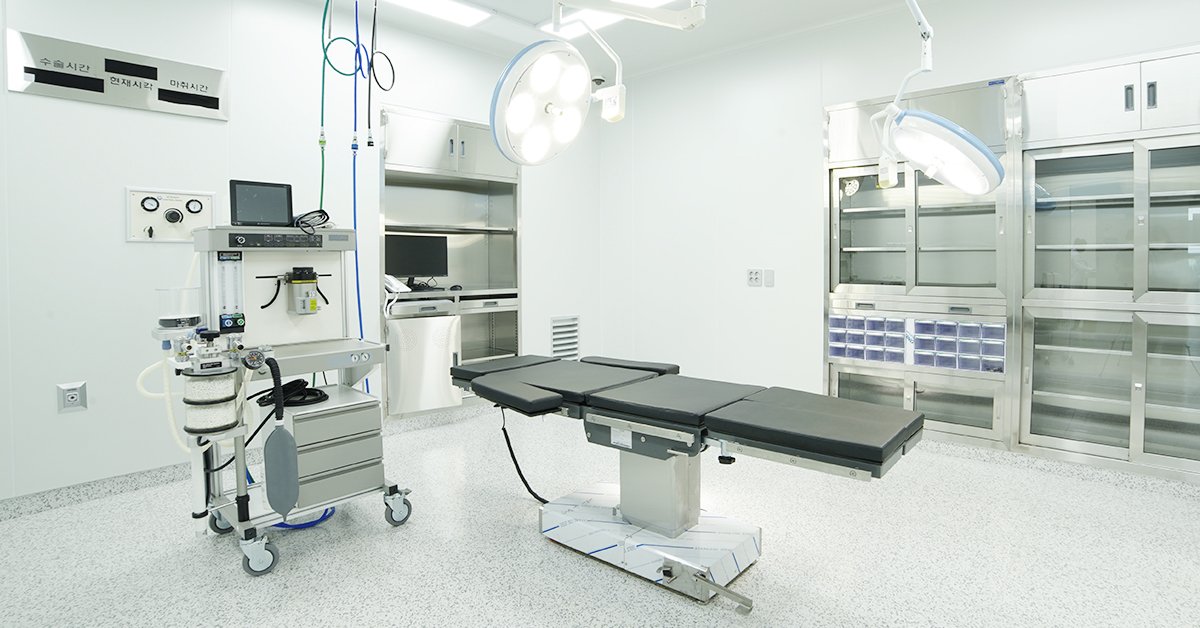
A practical visit plan includes the right questions, relevant records and a clear understanding of communication arrangements. Seoul Gunwoo Orthopedic Surgery Clinic provides orthopedic care and has assessment, surgical and rehabilitation facilities in one building. Before deciding on treatment, take time to discuss your symptoms and priorities with the medical staff. A useful consultation should leave you with a clear understanding of the proposed next step.
Review the Medical Staff’s Background
Dr. Choi Hong Joon has a background in foot and ankle medicine, clinical practice and research, and holds a PhD in Medicine. Dr. Min Kyong Dae is listed as an orthopedic specialist with training in orthopedics, arthroscopy and sports medicine. When arranging care, you can ask how the clinic will match your concerns with an appropriate consultation.
Credentials are one part of choosing care; the consultation itself is also an opportunity to assess whether your questions are being answered clearly. Explain the activities affected by your symptoms and ask the attending doctor to describe the findings in terms you understand. If a procedure is discussed, ask why it is being considered and what other approaches are relevant to your situation. You can also ask about the role of rehabilitation and follow-up in the proposed plan. A thoughtful explanation should connect your individual concerns to the recommended next step, rather than rely on the name of a technique alone.
Relevant orthopedic experience and a clear explanation are both worth considering. Use the consultation to connect the medical staff’s assessment with your own goals and questions.
Prepare for the Appointment
Bring a concise account of your symptoms, any prior treatment and the activities that cause difficulty. Relevant medical records or previous images can also be useful if you have them. Consider writing down your main questions in advance, particularly if you want to understand both non-surgical care and the circumstances in which surgery might be discussed.
Before booking, contact Seoul Gunwoo Orthopedic Surgery Clinic to confirm whether language support or interpretation will be available. An English-language website does not establish that an English-speaking clinician or interpreter will be present at your appointment. If communication support is important to you, ask about the arrangements before finalizing your visit. You can also use the call to ask what to bring and how to prepare. During the consultation, repeat your understanding of the proposed plan and ask for clarification when needed. This is especially helpful when discussing a procedure, follow-up instructions or a decision you may need time to consider.
Plan for Follow-Up and Rehabilitation
Seoul Gunwoo Orthopedic Surgery Clinic has rehabilitation facilities in the same building as its operating rooms and inpatient rooms. If treatment is recommended, ask how follow-up and rehabilitation fit into your individual plan. The answer will depend on the care you receive, so it is worth discussing practical arrangements before making a decision.
Ask what you should monitor after treatment and when to contact the medical staff. If you have responsibilities that make appointments or activity changes difficult, raise them early. Understanding the likely steps can help you organize support and make informed decisions about your schedule. Request an explanation of any instructions you do not understand.
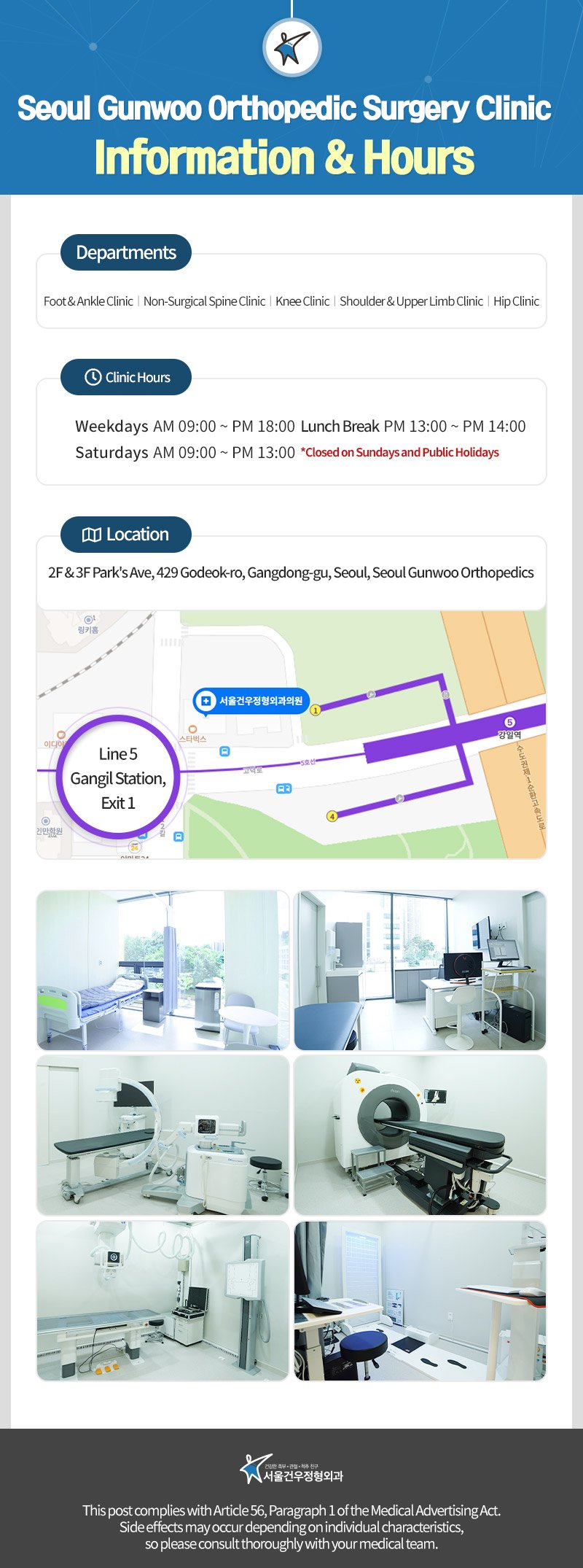
For an appointment, contact Seoul Gunwoo Orthopedic Surgery Clinic at 02-426-9876. The address is 2F-3F, 429, Godeok-ro, Gangdong-gu, Seoul, Republic of Korea. When you call, describe the reason for your visit and ask about the booking process. If you would like an estimate of treatment costs, ask how it will be determined after your assessment.

Frequently Asked Questions
Q.What does Seoul Gunwoo Orthopedic Surgery Clinic offer for bunions?
A.Seoul Gunwoo Orthopedic Surgery Clinic provides orthopedic bunion care. Its published surgical work includes bunions, and its named techniques include MICA minimally invasive bunion surgery.
Q.Who might consider a bunion consultation?
A.A consultation may be useful if discomfort around the big toe joint affects your footwear, walking or daily activities. The medical staff can assess your concerns and discuss appropriate next steps.
Q.What happens when treatment options are discussed?
A.The attending doctor can discuss your symptoms, examination and relevant care options. If surgery is considered, ask how the proposed approach relates to your condition and goals.
Q.What should I bring to an appointment?
A.Bring a description of your symptoms, previous treatments and any relevant records or images you have. A short list of questions can also help you prepare.
Q.How can I arrange a visit to Seoul Gunwoo Orthopedic Surgery Clinic?
A.Contact Seoul Gunwoo Orthopedic Surgery Clinic to ask about booking and confirm whether language support or interpretation will be available.
Clinic Information
| Clinic | Seoul Gunwoo Orthopedic Surgery Clinic |
|---|---|
| Specialty | Orthopedics |
| Address | 2F-3F, 429, Godeok-ro, Gangdong-gu, Seoul, Republic of Korea |
| Phone | 02-426-9876 |
| Website | https://seoulfoot.sillajewelry.com |
| Specialist | Specialist care |
 Seoul Gunwoo Orthopedic Surgery Clinic