

How to assess a Seoul hospital for bunion surgery with good reviews
Searching for a Seoul hospital for bunion surgery with good reviews is often a starting point for people whose bunion is causing discomfort or making footwear difficult. Reviews can offer insight into a patient’s experience, but they cannot establish whether a particular treatment is appropriate for you. Look at the clinical background of the medical staff, the opportunity to discuss your symptoms, and the information you receive about treatment and recovery. It is also important to distinguish between a hospital and an orthopedic clinic when comparing facilities.
Start with the clinician’s background
Foot and ankle experience is relevant when seeking an assessment for a bunion. Seoul Gunwoo Orthopedic Surgery Clinic provides orthopedic care, and Dr. Choi Hong Joon has a background in foot and ankle medicine, clinical practice, and research. That background can help inform a conversation about foot symptoms and the questions to ask during an assessment. An individual examination remains essential because the appearance of a bunion alone does not determine the right treatment.
Before your visit, consider what you want to understand about your condition. You might ask how the position of your big toe relates to your discomfort, whether another part of the foot is contributing to the problem, and what factors would influence a treatment recommendation. If surgery is a consideration, ask whether it is available at our clinic and how the attending doctor would determine if it is appropriate. These questions are more useful than assuming that a clinician’s experience means a particular procedure is automatically suitable. A good consultation should leave you with a clear explanation of the assessment and a chance to discuss your priorities.
A clinician’s relevant experience and a careful individual assessment matter more than a review score alone. Use the consultation to understand your options before deciding on treatment.
Read patient feedback critically
Patient feedback can help you identify practical questions about a visit, such as whether explanations were clear or whether scheduling worked smoothly. Read comments for patterns rather than relying on a single enthusiastic or critical account. Patient experience and clinical suitability are different questions: a positive account of a visit does not predict your outcome, and another person’s treatment plan may not apply to your foot.
When comparing reviews, pay attention to what the writer actually describes. A comment about reception or waiting time may be useful for planning, but it does not tell you whether surgery is indicated. Likewise, a report of improvement does not establish what caused the improvement or whether the same approach would help someone else. Be cautious of descriptions that promise a particular result or leave out the context of treatment. Bring unanswered questions to the consultation, including questions about the proposed care plan and what to expect afterward. Direct answers from the attending doctor can help you judge whether you understand and are comfortable with the recommendation.
Consider the whole visit
A practical choice also depends on whether you can attend appointments and follow the recommended care plan. Think about travel, work, footwear, and any assistance you might need if treatment affects walking. Ask how appointments are arranged and whether any preparation is needed before you arrive. If an operation is discussed, clarify where it would take place rather than assuming that every orthopedic clinic provides surgery on site.
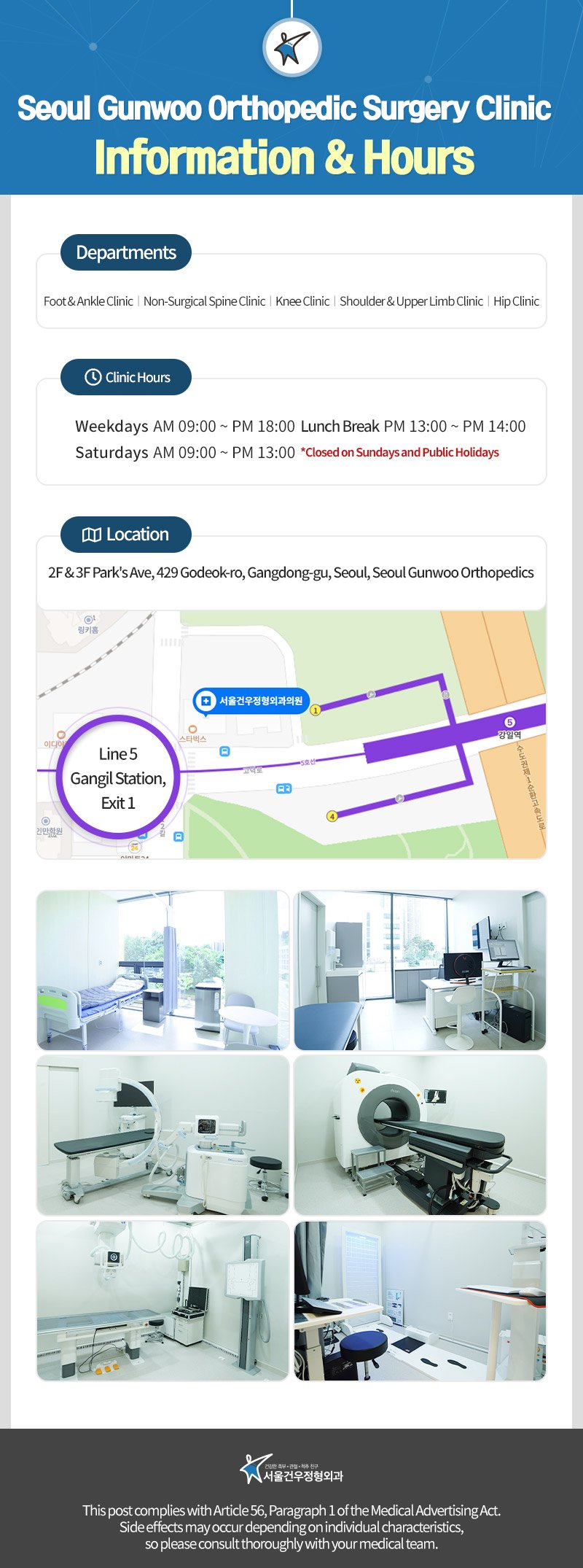
Seoul Gunwoo Orthopedic Surgery Clinic is located near Gangil Station in Gangdong-gu. Its consultation schedule includes weekday and Saturday hours, which can help when planning an initial visit. The table below summarizes useful points to compare as you prepare for an orthopedic consultation.
| Consideration | What to discuss or check |
|---|---|
| Clinical assessment | Symptoms, foot examination, and the factors behind a recommendation |
| Patient feedback | Clarity of communication and practical aspects of the visit |
| Treatment options | Non-surgical care, whether surgery is appropriate, and surgical availability |
| Practical planning | Appointment times, travel, and preparation for a visit |
Use the same questions when comparing facilities so that your decision rests on consistent information. A convenient location or reassuring review may make a visit easier to arrange, but neither replaces a discussion of the likely benefits, risks, and alternatives for your condition. The aim is to make an informed decision, not to select surgery before your foot has been assessed.
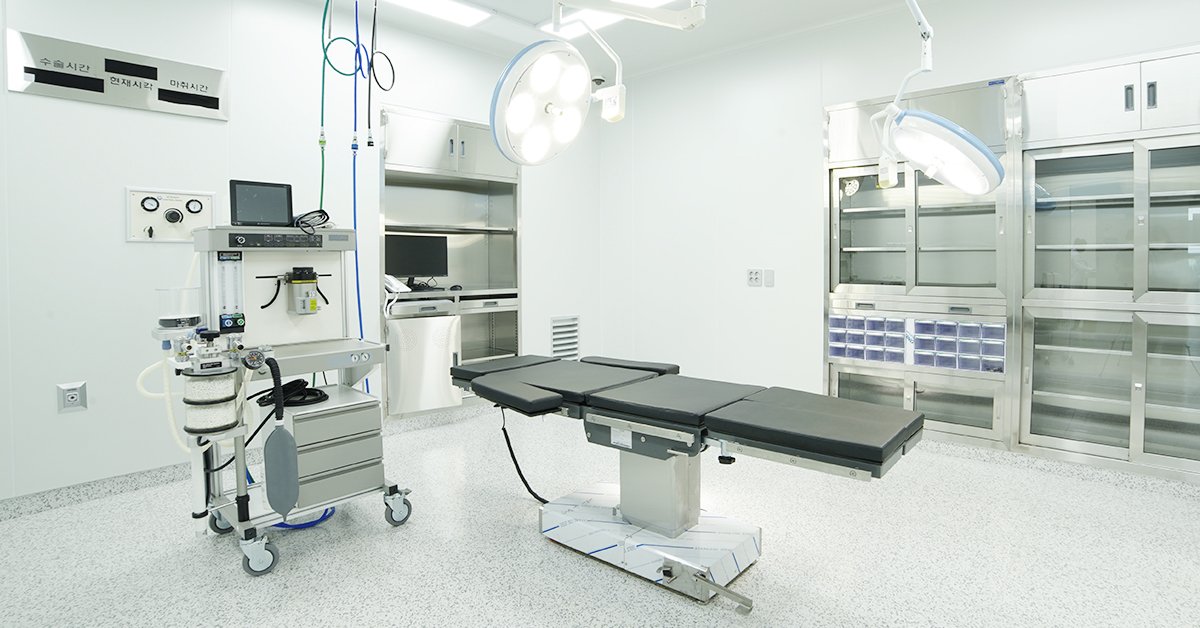
What to discuss at a Seoul hospital for bunion surgery with good reviews
A bunion is a change in the alignment of the big toe joint that can create a prominence on the inner side of the foot. Symptoms differ: some people notice pressure in shoes, while others experience pain or difficulty with daily activities. The size of the prominence does not always correspond to the amount of discomfort. An orthopedic consultation can help clarify how your symptoms affect you and whether non-surgical measures or a discussion of surgery is appropriate.
Describe your symptoms and daily activities
Explain where you feel discomfort, when you first noticed it, and whether it occurs during walking, standing, or wearing particular shoes. Mention any changes in the position of the big toe and whether the skin over the joint becomes irritated. If both feet are affected, describe each one separately. These details help the attending doctor understand the problem in the context of your daily life.
It can also help to describe what you have already tried and whether it changed your symptoms. For example, you may have chosen roomier shoes or reduced an activity that puts pressure on the foot. Bring up any previous foot injury or treatment, as well as health conditions and medications that may be relevant to care. The attending doctor can decide what further examination is needed. Avoid assuming that pain near the big toe is caused only by a bunion; a clinical assessment helps identify the structures involved and guides the next conversation. Your priorities matter too, whether your main concern is walking comfortably, fitting into shoes, or understanding how the condition may affect your activities.
A useful assessment starts with your symptoms and how they affect daily life, not just the shape of your foot. Describe what aggravates the discomfort and what you hope treatment will help you do.
Understand non-surgical and surgical discussions
Non-surgical measures may help manage symptoms. Depending on the individual, a discussion may include reducing pressure from footwear and adjusting activities that aggravate discomfort. These measures are intended to address symptoms; they do not necessarily correct the underlying alignment of the joint. Ask the attending doctor which approaches fit your situation and how to assess whether they are helping.
Surgery may be discussed when symptoms and the effect on daily life warrant a closer look at that option. The decision depends on an individual assessment, your goals, and the potential benefits and risks. Ask what the proposed operation is intended to address, what alternatives remain available, and how recovery could affect work, travel, and walking. Confirm whether bunion surgery is available at Seoul Gunwoo Orthopedic Surgery Clinic and where the operation would take place before making arrangements. You can also ask how follow-up care would be organized. A clear explanation should give you room to weigh the options rather than feeling pressured to decide immediately.
Points to consider before treatment
Any treatment decision should account for your general health, the demands of your daily routine, and your preferences. If surgery is recommended, ask about risks, the expected recovery process, and signs that should prompt you to contact the medical staff. Surgical risks can include infection, wound problems, persistent discomfort, and recurrence; their relevance depends on the individual and the planned treatment.
Recovery instructions and timing depend on the treatment and your condition. Ask when you may be able to walk, return to work, drive, or resume exercise, and whether you will need help at home. Changes may take time depending on individual condition. It is reasonable to write down the answers and review them before deciding how to proceed.
If you develop sudden severe pain, marked redness or swelling, fever, or difficulty bearing weight, seek prompt medical assessment rather than relying on reviews or waiting for a routine decision about surgery. For ongoing symptoms, arrange an orthopedic consultation and bring a concise account of your concerns. The medical staff can then advise on the next steps appropriate to your circumstances.

Planning a visit to a Seoul hospital for bunion surgery with good reviews
Preparation makes it easier to use consultation time well. Write down your main symptoms, the activities affected, and the questions you want answered. Wear or bring footwear that illustrates the pressure you experience, and bring relevant records if you have them. Seoul Gunwoo Orthopedic Surgery Clinic offers orthopedic consultations near Gangil Station. Before committing to a treatment plan, make sure you understand the recommended next steps and any arrangements needed for further care.
Prepare a concise medical history
List when the discomfort began, how it has changed, and what makes it better or worse. Note any previous assessment or treatment for the foot, along with relevant medical conditions and medications. If you have records from earlier care, bringing them can help the attending doctor understand your history without relying solely on memory.
Consider recording the practical effects of your symptoms. For instance, note whether discomfort limits walking, standing at work, or wearing everyday shoes. You do not need to arrive with a diagnosis or a preferred operation. Instead, explain what you are experiencing and ask the attending doctor to clarify the findings. If a recommendation is made, ask what it is intended to achieve, what other options you should consider, and what follow-up would involve. A written list can help you remember the answers and compare them with your personal priorities. If a family member or another support person will be involved in your care, consider whether having that person present would help you discuss the plan.
Preparation helps turn a consultation into a practical decision-making conversation. Bring your symptom history and ask for a clear explanation of the recommended next steps.
Check consultation hours
Seoul Gunwoo Orthopedic Surgery Clinic offers consultations on weekdays and Saturday. Weekday hours include a lunch break, and the clinic is closed on Sundays and public holidays. The schedule below is in Korea Standard Time. When arranging a visit, consider the time you will need for travel and for discussing your concerns with the medical staff.
| Day | Consultation hours |
|---|---|
| Monday–Friday | 09:00–18:00; lunch break 13:00–14:00 |
| Saturday | 09:00–13:00 |
| Sunday and public holidays | Closed |
If you are seeking an appointment specifically to discuss bunion surgery, say so when contacting our clinic. This gives you an opportunity to ask about consultation arrangements and surgical availability before traveling. You can also ask what records to bring and whether there are any instructions for your first visit. If your plans depend on a particular appointment time, check the current schedule when you arrange the consultation. Once you have been assessed, the attending doctor can explain the next steps and whether another appointment is needed. Keeping the discussion focused on your symptoms and goals will help you make practical use of the visit.
Know what to ask before deciding
Ask the attending doctor to explain the diagnosis in terms you understand. If treatment is recommended, ask how it addresses your symptoms and what alternatives are reasonable. For surgery, discuss the expected recovery, possible complications, and follow-up arrangements. You can also request an explanation of costs before agreeing to care; the amount depends on the assessment and proposed treatment.
Finally, consider whether you have enough information to make a decision. You should understand what the recommendation involves, how it may affect your routine, and whom to contact if questions arise afterward. Take time to review your notes and ask for clarification if anything remains unclear. A treatment decision should reflect both the medical assessment and your own circumstances.
Patient reviews can be a useful part of your research, but the consultation is where your specific concerns can be addressed. Compare the quality of the explanation, the suitability of the proposed plan, and the practical arrangements for care. That approach is more informative than choosing solely on the basis of a rating or expecting another patient’s experience to predict your own.

Frequently Asked Questions
Q.What kind of care does Seoul Gunwoo Orthopedic Surgery Clinic offer?
A.Seoul Gunwoo Orthopedic Surgery Clinic provides orthopedic care. Dr. Choi Hong Joon has a background in foot and ankle medicine, clinical practice, and research.
Q.Who might consider an orthopedic consultation for a bunion?
A.A consultation may be useful if a bunion is painful, causes pressure in footwear, or interferes with walking or daily activities. An assessment can help clarify which options fit your circumstances.
Q.Does a bunion always require surgery?
A.No. Non-surgical measures may help manage symptoms, while a decision about surgery depends on an individual assessment and discussion of the options.
Q.What should I bring to my consultation?
A.Bring a list of your symptoms, relevant medical conditions and medications, and any records from previous foot care. Footwear that causes pressure can also help you explain your concerns.
Q.Where is Seoul Gunwoo Orthopedic Surgery Clinic, and how can I contact the clinic?
A.Seoul Gunwoo Orthopedic Surgery Clinic is at 2F–3F, 429 Godeok-ro, Gangdong-gu, Seoul, Republic of Korea, near Gangil Station Exit 1. Call 02-426-9876 to ask about a consultation.
Clinic Information
| Clinic | Seoul Gunwoo Orthopedic Surgery Clinic |
|---|---|
| Specialty | Orthopedics |
| Address | 2F-3F, 429, Godeok-ro, Gangdong-gu, Seoul, Republic of Korea |
| Phone | 02-426-9876 |
| Website | https://seoulfoot.sillajewelry.com |
| Specialist | Specialist care |
 Seoul Gunwoo Orthopedic Surgery Clinic