
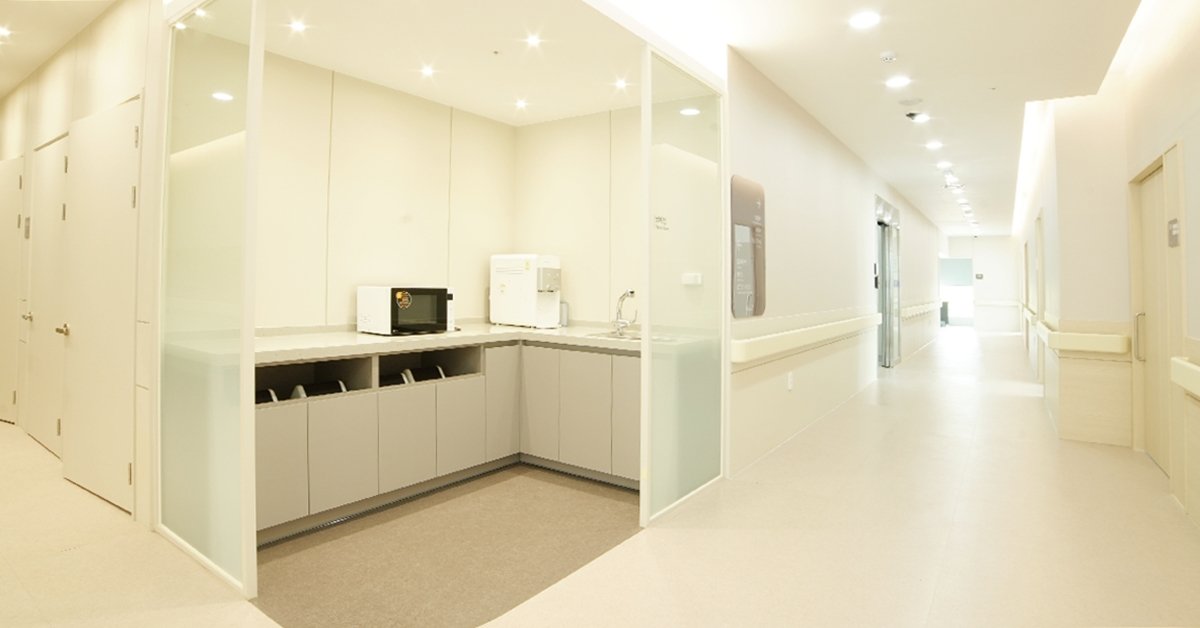
Choosing an Achilles tendon repair surgery hospital in Seoul
An Achilles tendon injury can affect walking, climbing stairs, and other activities that depend on pushing off the foot. If you are looking for an Achilles tendon repair surgery hospital in Seoul, start by identifying the type of care you need rather than assuming that every injury requires an operation. Seoul Gunwoo Orthopedic Surgery Clinic is an orthopedic clinic with a focus on foot and ankle conditions, including Achilles tendon repair. A clinical assessment is the starting point for deciding whether surgery or nonsurgical treatment is appropriate.
Recognizing an Achilles tendon injury
The Achilles tendon connects the calf muscles to the heel bone. An injury can cause pain or swelling at the back of the ankle, difficulty pushing off the foot, or a feeling that something has struck the lower leg. Some people notice a popping sensation when the injury occurs. Symptoms alone do not establish whether the tendon is partially or completely torn, so an examination matters. If you suspect a rupture, seek prompt medical assessment and avoid activities that place further strain on the injured leg.
During an assessment, the attending doctor can ask how the injury happened, examine the ankle and calf, and assess movement and tendon function. Imaging may help clarify the injury when clinically appropriate. The history is also relevant: an acute injury sustained during sport may call for different considerations from symptoms that developed gradually or an injury assessed after a delay. Tell the medical staff about previous ankle problems, medical conditions, medicines, and your usual activity level. These details help frame the discussion, but no single symptom or test should be treated as a substitute for an individual evaluation. Prompt assessment is especially important when you cannot push off the injured foot or suspect a tendon rupture. Until you receive advice, avoid trying to test the tendon repeatedly or returning to exercise through pain.
An Achilles injury needs an individual assessment before a treatment plan can be chosen. The examination, injury history, and any appropriate imaging help guide the conversation about repair and rehabilitation.
Deciding whether surgery is appropriate
Achilles tendon ruptures can be treated surgically or nonsurgically in selected circumstances. The choice depends on factors such as the nature of the tear, the time since injury, overall health, activity goals, and the rehabilitation approach. Surgery is intended to reconnect the torn tendon, while nonsurgical treatment generally uses protection and structured rehabilitation to support healing. Neither approach is right for every patient. Ask the attending doctor to explain the reasons for a recommendation in relation to your examination findings and circumstances.
A useful consultation should cover more than whether an operation can be performed. Ask how the proposed approach relates to the location and condition of the tendon, what alternatives are reasonable, and what the expected rehabilitation process involves. It is also appropriate to discuss potential complications and how concerns would be handled. Surgical risks can include wound problems, infection, nerve injury, and a repeat rupture; nonsurgical treatment also requires careful adherence to a rehabilitation plan and carries a risk of repeat rupture. Individual risks differ, so these possibilities should be discussed in context rather than used to predict a particular outcome. The decision should reflect both the injury and the patient’s ability to follow the recommended recovery plan. If work, caregiving, or transport makes appointments or mobility restrictions difficult, raise those issues before choosing treatment.
Questions to bring to the consultation
Prepare a short account of when the symptoms began, what you were doing at the time, and whether walking or pushing off has become difficult. Bring relevant examination or imaging records if you have them, along with a list of medicines and important medical conditions. Note any previous injury or treatment involving the same ankle. Clear information can help the attending doctor understand your situation and explain the next steps without relying on assumptions about your activity level or health.
Consider asking what the examination suggests, whether imaging would be useful, and which treatment options fit your injury. If repair is recommended, ask how the tendon will be protected afterward and when rehabilitation decisions will be reviewed. You can also ask what changes should prompt you to contact the medical staff. Good questions make the treatment plan easier to understand and follow. Write down the answers or ask a companion to help you remember the details if the injury makes travel or concentration difficult.
If the recommended approach is not clear, ask the attending doctor to explain the reasoning in everyday language. You should understand the purpose of the proposed treatment, its alternatives, and the commitments involved in recovery before making a decision. Keep a copy of any instructions you receive and check how to contact the clinic if a question arises after your visit. The goal is a plan that addresses the tendon injury while taking your health and daily responsibilities into account.
Achilles tendon repair surgery hospital in Seoul: Treatment options
Seoul Gunwoo Orthopedic Surgery Clinic lists Achilles tendon repair among its foot and ankle services and names ultrasound-guided Achilles repair as a technique. The clinic’s orthopedic focus also includes ankle ligament surgery, ankle fractures, bunion correction, ankle cartilage, and ankle arthritis. For an Achilles injury, the relevant question is not how many procedures are offered, but which approach fits the tendon and the patient. Ask the attending doctor to explain the proposed method and whether ultrasound guidance is relevant to your case.
Understanding ultrasound-guided repair
Ultrasound uses sound waves to create images of structures inside the body. In an ultrasound-guided Achilles repair, imaging is used as part of the repair technique. The details of a procedure depend on the injury and the attending doctor’s assessment, so patients should not assume that a named technique will be suitable in every case. Ask how the technique would be used, what the intended repair involves, and how it compares with any other option being considered for your injury.
It is reasonable to ask practical questions about the proposed operation before agreeing to treatment. These might include how the tendon will be accessed, how the repair will be protected, and what the first stage of recovery is expected to involve. The attending doctor can explain whether the condition of the tendon or the timing of the injury affects the choice of technique. Ultrasound guidance is a way of assisting a procedure; it should not be presented as a promise of a particular result or a substitute for rehabilitation. Understanding the full treatment pathway matters as much as understanding the name of the technique. If the explanation includes unfamiliar terms, ask the medical staff to describe what each step means for your care. You can also discuss whether additional examination or imaging is needed before a final recommendation is made.
Ultrasound-guided repair is one technique named by our clinic, but its suitability depends on the injury. A useful consultation explains the proposed repair alongside its alternatives and the rehabilitation it requires.
Points to consider before treatment
Any treatment decision should include a discussion of risks, recovery demands, and your personal health. For surgery, the attending doctor can explain concerns such as infection, wound healing, nerve injury, and the possibility of another rupture. Health conditions, medicines, and smoking can be relevant to healing or treatment planning, so share an accurate medical history. If nonsurgical care is being considered, ask how the tendon will be protected and how progress will be assessed during rehabilitation.
Recovery also has practical implications. You may need help with transport, household tasks, or work while the injured leg is protected. Ask when weight-bearing will be assessed, what support or equipment may be needed, and how rehabilitation will progress. The answers depend on the injury and treatment plan; changes may take time depending on individual condition. Avoid making plans around a fixed return date until you have discussed your circumstances with the attending doctor. It is equally important to understand when to seek help. Worsening pain, increasing redness, wound drainage, fever, or new calf swelling after treatment should be reported promptly. Sudden chest pain or shortness of breath requires emergency medical attention. These precautions do not predict that a complication will occur; they help patients recognize symptoms that should not be ignored.
Costs and examination planning
Ask for an explanation of the expected charges before proceeding with care. An estimate for Achilles tendon surgery should be discussed separately from the cost of an examination or document, because individual services are not the same as a surgery package. Our clinic lists a non-covered fee of ₩80,000–140,000 for a foot or ankle ultrasound. An ultrasound may be recommended when appropriate, but the need for one depends on the clinical assessment.
When discussing cost, ask which services are included in an estimate and which may be charged separately. Relevant questions can include whether an examination, imaging, follow-up visits, or other services form part of the proposed plan. Insurance coverage and personal circumstances can affect what a patient pays, so ask how the estimate applies to you. Keep the discussion tied to the actual recommended treatment rather than assuming that a published fee for an individual service represents the cost of surgery.
It can also help to consider expenses beyond the medical bill, such as transport and time away from work. These will depend on your circumstances and the recovery plan. If you need documentation for work or another purpose, raise that need during the visit so the medical staff can explain the appropriate process. A clear discussion of treatment, follow-up, and anticipated charges can help you prepare without relying on an unrelated fee as a proxy for the whole course of care.
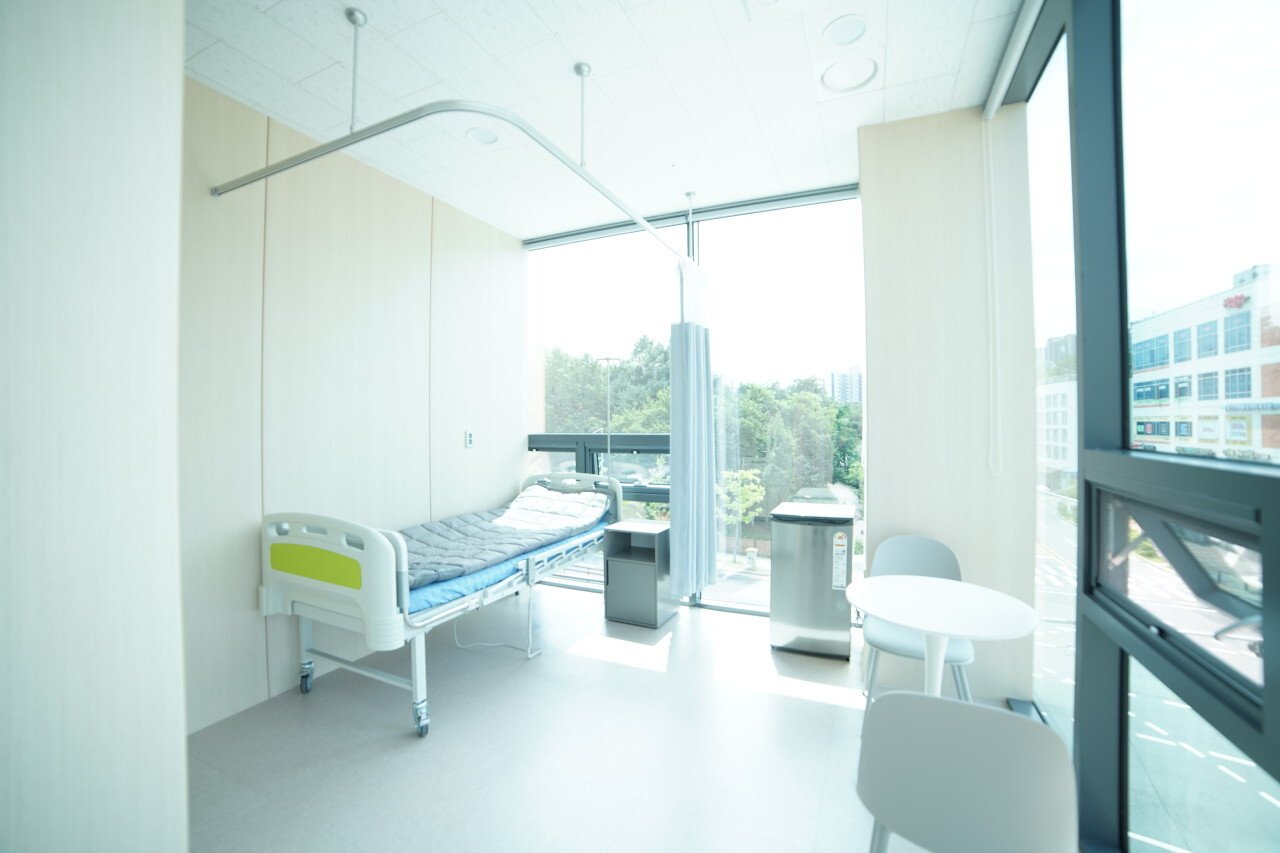
Achilles tendon repair surgery hospital in Seoul: Recovery and visits
Recovery planning begins before treatment, not after it. Whether the tendon is managed surgically or nonsurgically, protecting the injury and following the prescribed rehabilitation plan are central parts of care. The attending doctor will advise how to use any support, when activity can change, and how progress will be reviewed. Seoul Gunwoo Orthopedic Surgery Clinic is in Gangdong-gu, Seoul. Plan your journey with limited ankle mobility in mind, especially if you may need assistance getting home.
Following the rehabilitation plan
Rehabilitation after an Achilles tendon injury generally progresses through stages, with the details determined by the treatment approach and the individual’s progress. Early care may involve protecting the tendon and limiting strain, followed by a gradual return to movement and strengthening under medical guidance. Do not change the position of a support, increase weight-bearing, or begin exercises earlier than instructed simply because pain has improved. A reduction in pain does not necessarily mean the tendon is ready for unrestricted activity.
At follow-up visits, explain what you can comfortably do, which activities are difficult, and whether symptoms have changed. The medical staff can use that information alongside the examination to guide the next steps. Ask how to perform each prescribed exercise, how often it should be done, and what to do if it causes pain. It is also useful to discuss the physical demands of your work and any sport or exercise you hope to resume. Return-to-activity decisions should be based on your progress and the attending doctor’s guidance, not another person’s timetable. Keep instructions accessible at home and follow the recommended appointments. If a support feels uncomfortable or you are unsure whether a symptom is expected, contact the medical staff rather than adjusting the plan on your own.
Achilles rehabilitation is a planned process, and the pace depends on the injury and the individual. Follow the instructions for protection and exercise, and raise concerns before making changes to the plan.
Preparing for the clinic visit
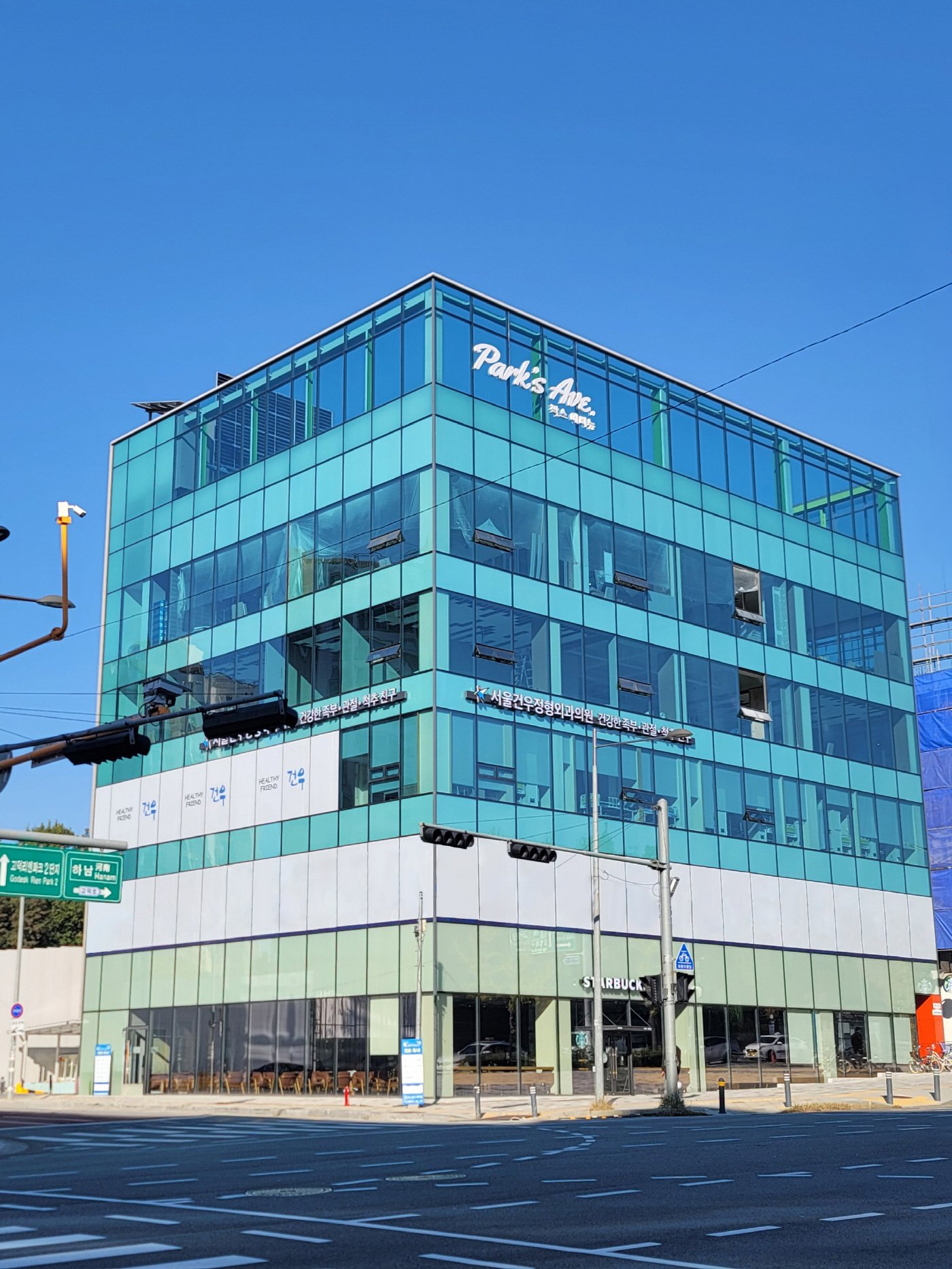
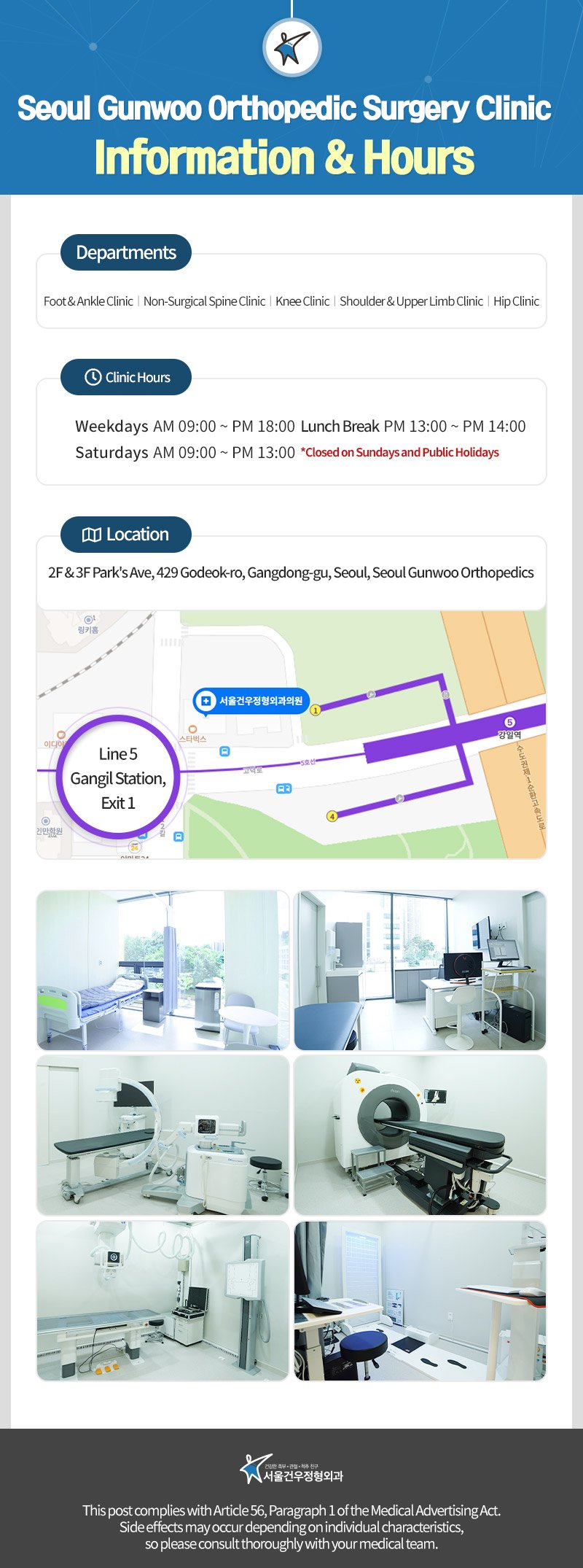
Seoul Gunwoo Orthopedic Surgery Clinic is located at 2F–3F, 429 Godeok-ro, Gangdong-gu, Seoul, Republic of Korea, near Exit 1 of Gangil Station. Consider how you will travel if walking is painful or your ankle is supported. A companion may be helpful if you need assistance with transport or want someone to help remember the consultation. Bring relevant medical records and wear clothing that allows the medical staff to examine the lower leg and ankle.
Consultation hours can help you plan around work and transport. Weekday visits include a lunch break, and the clinic is closed on Sundays and public holidays. If your symptoms suggest a new rupture, do not delay seeking appropriate medical assessment simply to fit a preferred appointment time. If you have urgent symptoms outside consultation hours, seek care through an appropriate urgent or emergency service. For a planned visit, prepare your questions in advance: ask about the diagnosis, treatment options, rehabilitation, and the expected charges for your proposed care. If you have concerns about stairs, travel, or returning home after a procedure, discuss them with the medical staff when arranging care. Practical preparation can make it easier to focus on the treatment decision during the consultation.
Consultation hours
The schedule below uses Korea Standard Time. The weekday lunch break is separate from the morning and afternoon consultation periods. Allow time for travel, particularly if the injury limits walking or you are relying on someone else for transport. For questions about arranging a visit, contact our clinic before setting out. If your condition changes suddenly or you develop urgent symptoms, seek appropriate medical attention rather than waiting for a routine consultation.
| Day | Consultation hours |
|---|---|
| Monday–Friday | 09:00–18:00; lunch break 13:00–14:00 |
| Saturday | 09:00–13:00 |
| Sunday and public holidays | Closed |
Before leaving home, collect any records or notes that describe the injury and prior treatment. If you have already received instructions about protecting the ankle, continue to follow them during the journey. At the visit, explain any change in symptoms since the injury and identify the activities you hope to resume. This gives the attending doctor a clearer picture of your priorities and supports a focused discussion about treatment and recovery.
After the consultation, review the plan while it is still fresh. Make sure you know the next step, whether that is further assessment, a treatment decision, or follow-up care. Ask for clarification if instructions about activity or ankle support are unclear. A well-understood plan helps you prepare for recovery and identify questions that need an answer before treatment begins.
Frequently Asked Questions
Q.What does Seoul Gunwoo Orthopedic Surgery Clinic offer?
A.Seoul Gunwoo Orthopedic Surgery Clinic provides foot and ankle-focused orthopedic care, including Achilles tendon repair, ankle ligament surgery, and treatment for ankle fractures.
Q.Who should consider an assessment for an Achilles injury?
A.Anyone with a suspected Achilles tendon injury, particularly difficulty pushing off the foot after an injury, should seek prompt medical assessment.
Q.How is Achilles tendon repair performed at the clinic?
A.Seoul Gunwoo Orthopedic Surgery Clinic names ultrasound-guided Achilles repair as a technique. The attending doctor can discuss whether it is appropriate after assessing the injury.
Q.What should I prepare before my visit?
A.Bring relevant medical or imaging records and a list of medicines. Be ready to explain how the injury happened and which activities are difficult.
Q.How can I contact Seoul Gunwoo Orthopedic Surgery Clinic?
A.Call 02-426-9876 to ask about arranging a consultation.
Clinic Information
| Clinic | Seoul Gunwoo Orthopedic Surgery Clinic |
|---|---|
| Specialty | Orthopedics |
| Address | 2F-3F, 429, Godeok-ro, Gangdong-gu, Seoul, Republic of Korea |
| Phone | 02-426-9876 |
| Website | https://seoulfoot.sillajewelry.com |
| Specialist | Specialist care |
 Seoul Gunwoo Orthopedic Surgery Clinic